PHOTO
Oil prices were marginally lower on Thursday after big gains in the previous session amid the stalled peace talks between Iran and the United States, and as both nations maintained restrictions on the flow of trade through the Strait of Hormuz.
Brent crude futures fell 15 cents to $101.76 a barrel, after settling above $100 for the first time in more than two weeks on Wednesday. West Texas Intermediate futures fell 14 cents to $92.82.
Both benchmarks closed more than $3 higher on Wednesday after larger-than-expected gasoline and distillate stock draws in the U.S., and over the lack of progress on peace talks.
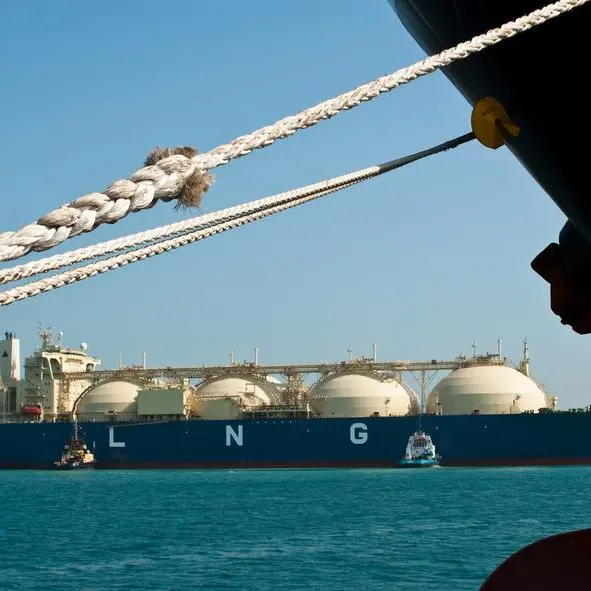
While U.S. President Donald Trump extended a ceasefire between the countries following a request by Pakistani mediators, Iran and the U.S. are still restricting the transit of ships through the Strait of Hormuz. The Strait carried about 20% of daily global oil and liquefied natural gas supplies until the war began at the end of February with attacks by the U.S. and Israel on Iran.
Iran seized two ships in the Strait of Hormuz on Wednesday, tightening its grip on the strategic waterway. Trump has also maintained a U.S. Navy blockade of Iran's trade by sea, and Iranian parliament speaker and top negotiator Mohammad Baqer Qalibaf said a full ceasefire only made sense if the blockade was lifted.
The U.S. military has intercepted at least three Iranian-flagged tankers in Asian waters and is redirecting them away from positions near India, Malaysia and Sri Lanka, shipping and security sources said on Wednesday.
With his extension of the ceasefire on Tuesday, Trump again pulled back at the last moment from warnings to bomb Iran's power plants and bridges. Trump has not set an end date for the extended ceasefire, White House press secretary Karoline Leavitt told reporters.
U.S. EXPORTS SET A RECORD HIGH
Total exports of crude oil and petroleum products from the United States climbed by 137,000 barrels per day to a record 12.88 million bpd as Asian and European countries bought up supplies after disruptions tied to the Iran war.
U.S. crude stocks rose while gasoline and distillate inventories fell, the Energy Information Administration said on Wednesday.
Crude inventories rose by 1.9 million barrels, compared with expectations in a Reuters poll for a 1.2 million-barrel draw.
U.S. gasoline stocks fell by 4.6 million barrels, while analysts had expected a 1.5 million-barrel draw. Distillate stockpiles dropped by 3.4 million barrels versus expectations for a 2.5 million-barrel drop. (Reporting by Arathy Somasekhar; Editing by Tom Hogue)