09 December 2010
Yemen's largest company Hayel Saeed Anam Group of Companies (HSA) is currently in the final stages of negotiating a new USD1-billion contract with the Aden Free Zone (AFZ). It's a significant deal that could create thousands of local jobs. And it's a landmark for AFZ which has since 1991 designated a 32,500-hectare area where companies trade without being subjected to the usual rules of taxation in Yemen.
AFZ offers investors a number of privileges and guarantees. In this duty free zone companies are exempt from taxes on trade, industrial and income taxes applied. This exemption extends to 15 years and can be extended by ten years.
The Yemen Times met with AFZ's chairman, Dr. Abdul Galil Al-Shaibi, to unpack the HSA deal and his vision for the future.
What's the basic idea of the Aden Free Zone?
It is to facilitate the investment process for the investor from the time he arrives at the airport. We make sure that everything that the investor needs is dealt with underneath one roof so that he doesn't have to go from one government department to another.
We register the investor here, identify a piece of land for him and then we make sure that we take him through the master planning process to get the project underway. It's this facilitation that makes the process of investment easier.
Aden Free Zone means that it's a business area free of taxes and there are no customs fees or income taxes for foreign workers. There are a number of such incentives which encourage companies to come and work inside and not outside where they have to pay local taxes.
Our main source of income is from the rental of land. We own 32,000 hectares of land which is about one third of the land in Aden [city]. We also receive some funding from the Yemeni government but 80% is from land rental. I'm hoping that by 2012 we'll be independent of the government altogether.
What are some of the Aden Free Zone's upcoming projects?
For the past three years, the AFZ has experienced economic activation and development. Our projects have increased significantly and our project approval has risen by 300%. We've set up 32 light industries amounting to USD249-million and 15 warehouse projects amounting to USD20-million. We have also built 16 residential areas totalling USD453-million.
We are now moving towards finalizing the biggest project in the AFZ's history. It's a developmental project with the Hayel Saeed Anam Group of Companies (HSA) which is the biggest company in Yemen.
This project is split into three sectors: warehousing, light industries and residential. The total investment is around USD1-billion. It could create up to 20,000 jobs in Aden. That would transform the local economy and create a significant number of jobs indirectly. Aden could become a logistical hub for trade internationally.
When will you finalize this contract?
The contract has been drawn up and we've agreed on the investment, the laws and the lease for the land. We're in the final stages.
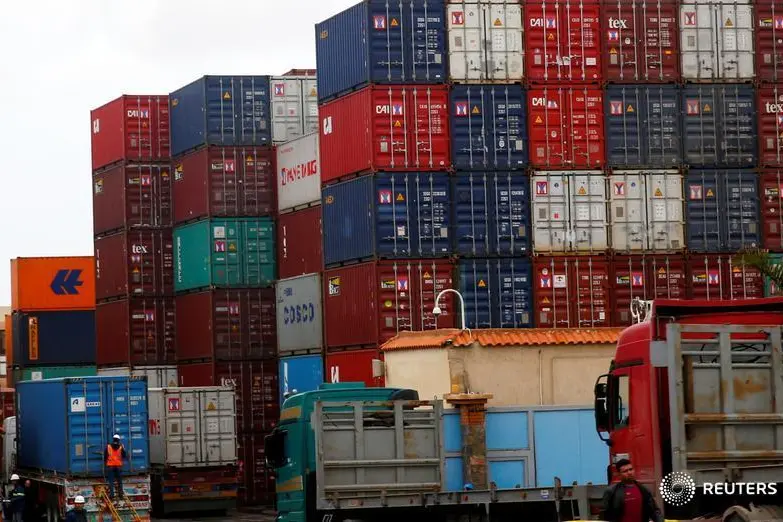
Soon there's going to be a new warehouse city, a new light industry city and a commercial residential city. The warehouse will be a logistical centre, and we're hoping that the number of containers coming to Yemen will increase dramatically. That will obviously have a good connection with HSA's warehouse base. If we've got both the port and the logistical hub working together, then obviously you've got something similar to what's happening in Dubai and Djibouti.
The light industry is simple. We've got a big domestic market of 25 million people in Yemen. There's a big international market in East Africa waiting to be served by the port, so we could make things from plastics, to aluminum, to screwdrivers and feed the domestic market instead of buying imports from outside.
We import 85% of our goods. By producing goods in Yemen we can keep foreign currency inside the country and that strengthens the Yemeni Rial. So economically there is an argument for producing goods in the country.
I've been working on this since I arrived in Yemen, nearly two and half years ago, and this project can move things forward in Aden.
What's been stopping AFZ from becoming successful already?
The lack of economic development. But this new project would tackle the neglect of the past and meet the aspirations of the future. Prior to 2008 the AFZ was certainly not achieving its potential. For a long time it was seen as simply another government agency and nothing else. It was slow and there was very little investor confidence.
There's been negativity about Dubai World running the port of Aden. What's your opinion about this?
There have been a lot of negative opinions but I'm still optimistic. I think Dubai has a brilliant port and location; probably one of the best in the world, but they're not doing as well as expected.
We're keeping them on their toes. We're going to make sure that they do what they have agreed to do. If they don't, the port will still be here and we can still go forward with another operator.
At the end of the day they're an operator and if they don't pull their socks up we can just as well do the work with someone else.
What advantages does Aden have as a port city?
You have a natural port here in Aden, run by Dubai World, plus you have another port in Mualla. It also has an international airport. Aden has the elements which could make it a truly international city for business and transportation.
How important has the Gulf Cup held in Aden been to Yemen?
The event was an excellent opportunity for Aden to project itself to the outside world in a positive way. For too long we've had too many negative news reports about Yemen.
This event provided the opportunity to show that things can happen here and that they can happen safely. We've [Yemen] had over 21,000 people at this event from the Gulf, according to official statistics from the ministry of interior. We've had over 80,000 people enjoying the games in Abyan and Aden.
The games activated the economy, hotels were full, honey traders sold their honey, foreign exchange shops sold their Yemeni Rials and restaurants were full.
I think that's excellent but we need to think about what now comes after the games. How do we maintain the momentum? These are questions we need to ask ourselves.
The games also brought people together; north and south, east and west. People were united by sport. They seemed to have put politics aside and supported their national team.
For a while the politics and division changed to the politics of unity. Sports play an important role in getting people together. It happened in South Africa with the Soccer World Cup, the Common Wealth Games in India and in Yemen with the Gulf Cup.
Are you optimistic about the future of the AFZ?
I'm very optimistic. By the end of 2012 I think you'll see a lot of employment in Aden, even in the next few months. We've got a new hotel complex worth USD20-million, a large company is being established, we have gas cylinders and steel works developing, a power house, a fiberglass factory being built and an aluminum factory being built. Things are moving forward.
Yemen's largest company Hayel Saeed Anam Group of Companies (HSA) is currently in the final stages of negotiating a new USD1-billion contract with the Aden Free Zone (AFZ). It's a significant deal that could create thousands of local jobs. And it's a landmark for AFZ which has since 1991 designated a 32,500-hectare area where companies trade without being subjected to the usual rules of taxation in Yemen.
AFZ offers investors a number of privileges and guarantees. In this duty free zone companies are exempt from taxes on trade, industrial and income taxes applied. This exemption extends to 15 years and can be extended by ten years.
The Yemen Times met with AFZ's chairman, Dr. Abdul Galil Al-Shaibi, to unpack the HSA deal and his vision for the future.
What's the basic idea of the Aden Free Zone?
It is to facilitate the investment process for the investor from the time he arrives at the airport. We make sure that everything that the investor needs is dealt with underneath one roof so that he doesn't have to go from one government department to another.
We register the investor here, identify a piece of land for him and then we make sure that we take him through the master planning process to get the project underway. It's this facilitation that makes the process of investment easier.
Aden Free Zone means that it's a business area free of taxes and there are no customs fees or income taxes for foreign workers. There are a number of such incentives which encourage companies to come and work inside and not outside where they have to pay local taxes.
Our main source of income is from the rental of land. We own 32,000 hectares of land which is about one third of the land in Aden [city]. We also receive some funding from the Yemeni government but 80% is from land rental. I'm hoping that by 2012 we'll be independent of the government altogether.
What are some of the Aden Free Zone's upcoming projects?
For the past three years, the AFZ has experienced economic activation and development. Our projects have increased significantly and our project approval has risen by 300%. We've set up 32 light industries amounting to USD249-million and 15 warehouse projects amounting to USD20-million. We have also built 16 residential areas totalling USD453-million.
We are now moving towards finalizing the biggest project in the AFZ's history. It's a developmental project with the Hayel Saeed Anam Group of Companies (HSA) which is the biggest company in Yemen.
This project is split into three sectors: warehousing, light industries and residential. The total investment is around USD1-billion. It could create up to 20,000 jobs in Aden. That would transform the local economy and create a significant number of jobs indirectly. Aden could become a logistical hub for trade internationally.
When will you finalize this contract?
The contract has been drawn up and we've agreed on the investment, the laws and the lease for the land. We're in the final stages.
Soon there's going to be a new warehouse city, a new light industry city and a commercial residential city. The warehouse will be a logistical centre, and we're hoping that the number of containers coming to Yemen will increase dramatically. That will obviously have a good connection with HSA's warehouse base. If we've got both the port and the logistical hub working together, then obviously you've got something similar to what's happening in Dubai and Djibouti.
The light industry is simple. We've got a big domestic market of 25 million people in Yemen. There's a big international market in East Africa waiting to be served by the port, so we could make things from plastics, to aluminum, to screwdrivers and feed the domestic market instead of buying imports from outside.
We import 85% of our goods. By producing goods in Yemen we can keep foreign currency inside the country and that strengthens the Yemeni Rial. So economically there is an argument for producing goods in the country.
I've been working on this since I arrived in Yemen, nearly two and half years ago, and this project can move things forward in Aden.
What's been stopping AFZ from becoming successful already?
The lack of economic development. But this new project would tackle the neglect of the past and meet the aspirations of the future. Prior to 2008 the AFZ was certainly not achieving its potential. For a long time it was seen as simply another government agency and nothing else. It was slow and there was very little investor confidence.
There's been negativity about Dubai World running the port of Aden. What's your opinion about this?
There have been a lot of negative opinions but I'm still optimistic. I think Dubai has a brilliant port and location; probably one of the best in the world, but they're not doing as well as expected.
We're keeping them on their toes. We're going to make sure that they do what they have agreed to do. If they don't, the port will still be here and we can still go forward with another operator.
At the end of the day they're an operator and if they don't pull their socks up we can just as well do the work with someone else.
What advantages does Aden have as a port city?
You have a natural port here in Aden, run by Dubai World, plus you have another port in Mualla. It also has an international airport. Aden has the elements which could make it a truly international city for business and transportation.
How important has the Gulf Cup held in Aden been to Yemen?
The event was an excellent opportunity for Aden to project itself to the outside world in a positive way. For too long we've had too many negative news reports about Yemen.
This event provided the opportunity to show that things can happen here and that they can happen safely. We've [Yemen] had over 21,000 people at this event from the Gulf, according to official statistics from the ministry of interior. We've had over 80,000 people enjoying the games in Abyan and Aden.
The games activated the economy, hotels were full, honey traders sold their honey, foreign exchange shops sold their Yemeni Rials and restaurants were full.
I think that's excellent but we need to think about what now comes after the games. How do we maintain the momentum? These are questions we need to ask ourselves.
The games also brought people together; north and south, east and west. People were united by sport. They seemed to have put politics aside and supported their national team.
For a while the politics and division changed to the politics of unity. Sports play an important role in getting people together. It happened in South Africa with the Soccer World Cup, the Common Wealth Games in India and in Yemen with the Gulf Cup.
Are you optimistic about the future of the AFZ?
I'm very optimistic. By the end of 2012 I think you'll see a lot of employment in Aden, even in the next few months. We've got a new hotel complex worth USD20-million, a large company is being established, we have gas cylinders and steel works developing, a power house, a fiberglass factory being built and an aluminum factory being built. Things are moving forward.
© Yemen Times 2010