PHOTO
Oman Air could potentially place an order for narrow-body jets early next year, the chief executive of the Gulf state carrier told Reuters, as it undergoes a transformation plan while eyeing future growth.
"We will definitely need more narrow bodies, yes. And we will be doing something about that, whether it's order book, lease market, we haven't determined," CEO Con Korfiatis said in an interview this week on the sidelines of the Dubai Airshow.
It would "probably start doing something about additional aircraft" required during an expected five-year strategic plan that will be presented to the board.
The airline has been implementing a transformation plan since early 2024, cutting routes, renegotiating contracts, boosting fleet utilisation and, this year, reducing staff numbers by about 25%. It expects to reach break-even in earnings before interest and taxes by the end of 2026, ahead of a 2027 target.
It is betting on point-to-point travel to boost the number of visitors to Oman, a small non-OPEC oil producer aiming to diversify its economy by investing in sectors like tourism.
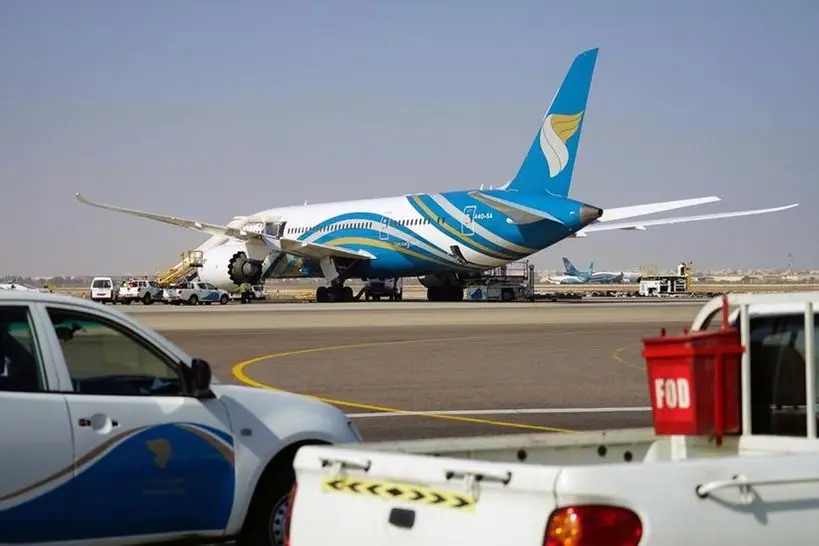
Oman Air's all-Boeing fleet comprises nine 787s and 23 narrow-body aircraft, with one more narrow-body expected for the first quarter of next year, Korfiatis said. The carrier is expected to receive a wide-body jet next week and six more from late 2027.
Korfiatis did not rule out a potential Airbus order in future, while adding that the present fleet size only justified working with one planemaker.
"(An Airbus order) would not play out until after 2030."
CHALLENGES LINGER
In recent years, airlines have faced aircraft delivery delays amid increasing demand, multiple crises at Boeing and Airbus struggling with supply chain challenges.
Oman Air said last week that some of its aircraft were grounded due to disruptions.
"We've got grounded aircraft right now because we don't have engines for them. And it's peak season," Korfiatis said, citing problems with CFM International's engines and noting that CFM was supporting the carrier through spare engines.
Korfiatis expects the planes to operate again this year but warned supply chain pressures would continue for a "a few more years".
(Reporting by Federico Maccioni. Editing by Louise Heavens and Mark Potter)