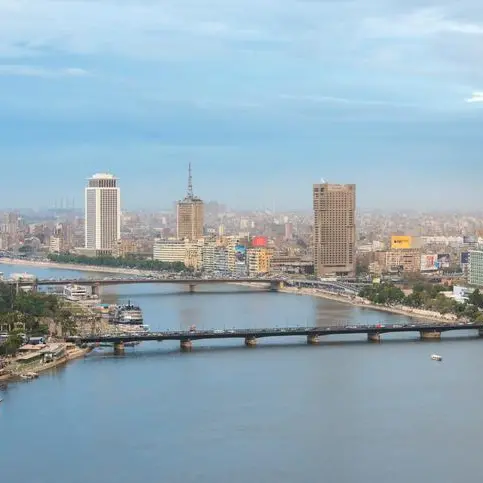
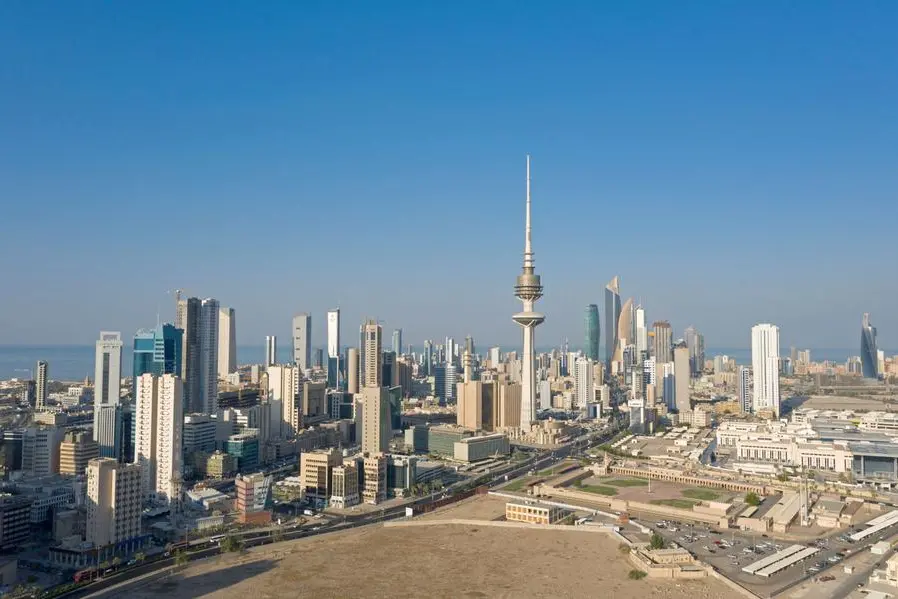
Beirut used to conjure up images of clear skies, sparkling sea and red-roofed Ottoman-era houses, but cranes and new buildings now puncture its Mediterranean skyline and the cacophony of bulldozers has shattered the idyll.
All over Beirut, developers are spending hundreds of millions of dollars building luxury flats for high-income Lebanese, and prices are soaring, especially in the central district widely dubbed Solidere after the company that rebuilt it from the ruins of the 1975 to 1990 civil war.
While analysts insist no property bubble is looming, price rises are forcing middle income Lebanese out of a capital city some refused to leave even in the midst of war.
"I'm frustrated. It's going to be a while before I can afford something and I'll have to get a loan and pay for it for a long time," said Labib Ghulumiyyah, a 35-year-old doctor, who has been trying to buy an apartment for two years.
A 2010 report by property consultants Cushman and Wakefield said Beirut was the 30th most expensive retail rental city in the world, up three places from last year, and the most expensive compared to ten cities in the Arab world.
Retail rents in Beirut's Solidere area stood at $2,063 per square metre, ahead of Luxem-bourg, Stockholm and Tel Aviv.
In Beirut's central district, a mixture of restored period properties and new buildings, property sells for anything from $7,000 to $13,000 a square metre.
Other prime Beirut neighbourhoods see prices in the range of $4,000 per square metre, several real estate experts have said.
Lebanon's Central Bank said the sector was worth $10 billion a year.
To put that in perspective, Lebanon's government budgeted spending of $12 billion for 2010.
Demand in Beirut has been driven up by Lebanon's large community of expatriates, who are either returning or want a foothold in the city though they do not live there full time.
Analysts and real estate experts insist however that this is not a property bubble in the mak-ing because the buyers are end-users, not speculators, and many are either paying in cash or borrowing amounts they can afford.
"I don't believe there's a bubble in the market. It's true that prices have risen significantly, but they emanated from a low base so prices today are more in line with regional and international benchmarks," said Marwan Barakat at Lebanon's Bank Audi.
Riad Salameh, central bank governor, said Lebanon's property sector was not over-leveraged so he did not expect a price crash.
"We expect prices to level after this big increase and historically we have seen this pattern in Lebanon, where you have a quick rise, and then a levelling and then another rise," he said.
Only a dramatic deterioration in security could hit demand for property, but even that does not seem to faze developers who are breaking ground on projects across Beirut. Indeed, Lebanon's resilience has translated into an average of eight per cent growth for the last three years, driven by strong consumer confidence.
© 7Days 2010