Experts from London School of Economics, Scholars from Africa and Europe Highlight Role of IT in Healthcare Management and Other Sectors
Dubai-UAE: 28 May, 2009 - Scientists and experts in the field of information and communication technology (ICT) shared their insights on IT research and implementation and its impact on societies at the 10th International Conference on Social Implications of Computers in Developing Countries, hosted by the Dubai School of Government.
Held under the theme 'Assessing the Contribution of ICT to Development Goals', the event was held in Dubai from 26 - 28 May.
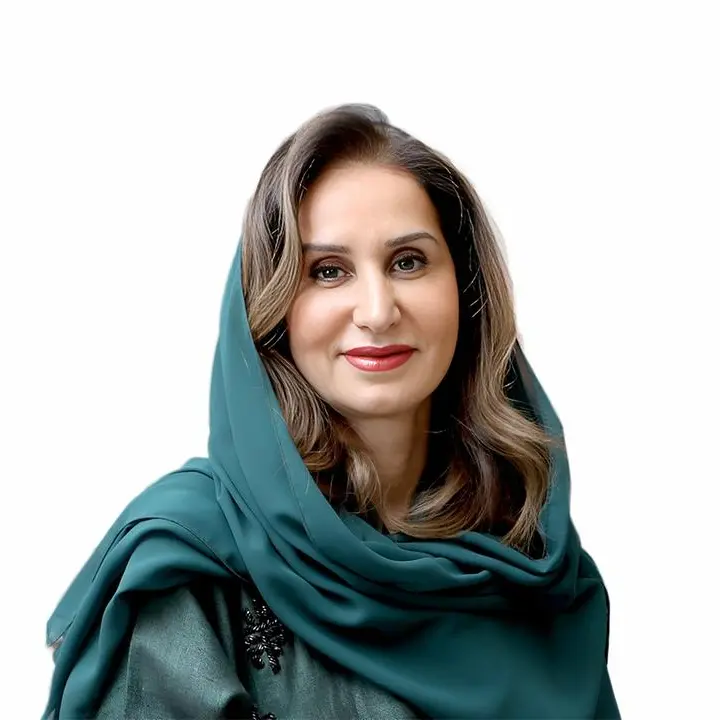
In her keynote address, Chrisanthi Avgerou, Professor at the London School of Economics and Political Science (LSE), led a discussion on 'Discourses on Innovation and Development in Information Systems in Developing Countries' Research.'
Several scholars from six continents were among the noted speakers at the three-day conference that brought together policy makers, leading members of the global information and communication technology research community, as well as representatives of non-profit organizations.
Organized in conjunction with International Federation for Information Processing (IFIP), the conference explored the role of ICT in achieving development goals and addressing challenges to sustainability.
Prof. Chrisanthi Avgerou said: "We as researchers are ever curious to see a particular society's depth of ICT adoption. While there are several underlying factors, culture, political climate and willingness to take risks additionally play an influencing role. Developing countries need to really look at ICT adoption carefully, as disruptive transformation can occasionally cause conflicts within a society's development process."
During a presentation on healthcare information systems, researchers from the University of Oslo pointed out several case studies where technologies such as open source are helping the transition of societies from primitive to advanced technology. Research papers from Nigeria and Kenya highlighted the adoption of ICT in the healthcare information systems in managing the data, as well as challenges in the healthcare system.
Dr. Tarik Yousef, Dean of the Dubai School of Government, said: "We at the Dubai School of Government are proud to host this event that has brought together scholars who share a passion for impacting their societies through research and work related to the use of ICT. We believe that in terms of a larger policy framework and research, this gathering is very significant for this part of the world."
The conference additionally focused on key issues related to education, ICT policies and other areas where ICT has the potential to play a vital role.
The conference programme committee selected more than 50 papers and PhD work-in-progress out of over 100 received in response to the call for papers issued last year. The accepted papers describe, critique, develop arguments, and draw conclusions from a multitude of development projects. The Dubai School of Government has compiled all the accepted papers in a book format.
For more details, visit www.dsg.ae or call 04 329 3290.
-Ends-
About the Dubai School of Government
The Dubai School of Government (DSG) is a research and teaching institution focusing on public policy in the Arab world. Established in 2005 under the patronage of HH Sheikh Mohammed Bin Rashid Al Maktoum, Vice President and Prime Minister of the United Arab Emirates and Ruler of Dubai, in cooperation with the Harvard Kennedy School, DSG aims to promote good governance through enhancing the region's capacity for effective public policy.
Toward this goal, the Dubai School of Government also collaborates with regional and global institutions in its research and training programs. In addition, the School organizes policy forums and international conferences to facilitate the exchange of ideas and promote critical debate on public policy in the Arab world.
The School is committed to the creation of knowledge, the dissemination of best practice and the training of policy makers in the Arab world. To achieve this mission, the School is developing strong capabilities to support research and teaching programs including
• applied research in public policy and management;
• master's degrees in public policy and public administration;
• executive education for senior officials and executives; and,
• knowledge forums for scholars and policy makers.
© Press Release 2009