Wednesday, Jun 29, 2011
   By Nikhil Lohade
   Of ZAWYA DOW JONES
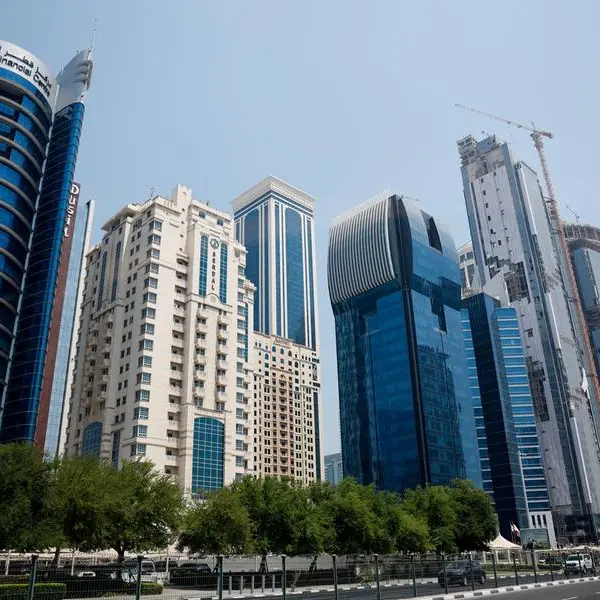
DUBAI (Zawya Dow Jones)--Most property stocks in the U.A.E. rallied Wednesday as investors cheered the federal government's decision to extend visas for real estate investors, a move that could help reinvigorate a flagging sector where oversupply concerns remain.
"The U.A.E. Federal Cabinet decision to extend residence visa for real estate investors to three years will significantly enhance investor confidence and drive the growth of the country's property sector," Dubai-based Emaar Properties' chairman Mohamed Alabbar said in an emailed statement.
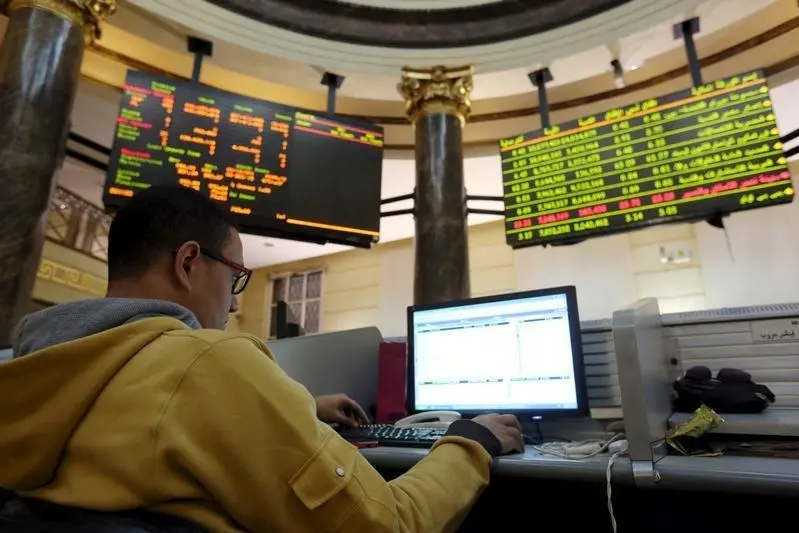
The new visa rules boosted stock market investor sentiment Wednesday with Dubai real estate giant Emaar rallying 2% to AED3.02; while Abu Dhabi heavyweight Aldar Properties rose 1.6% to AED1.24. Shares of RAK Properties jumped 2.9% to AED0.35 and Deyaar climbed 1.4% to AED0.291.
"We believe this (visa extension) could significantly boost demand in the U.A.E.'s residential real estate sector, particularly in Dubai, as the promise of a long-term residency visa was a major driver of second-home purchases during the real estate boom prior to mid-2008," said Citigroup analyst Farouk Soussa.
The U.A.E. government undertook a raft of measures as part of efforts to underpin economic growth within its strategic plan 2011-2013, including the extension of visa for real estate investors to three years, from six months.
Wednesday's property stocks rally led Dubai's benchmark DFM Index up 0.6% to 1516.93; while neighbour Abu Dhabi's stock market gave up intraday gains to finish 0.3% lower at 2704.19, dragged by a late bout of selling in the heavyweight Etisalat counter, itself down 0.9% at AED11.
"A mild positive for U.A.E. real estate with the U.A.E. Government extending visas for real estate investors from six months to three years," a Credit Suisse trader said.
A longer visa period for real estate investors was seen as a key catalyst to revitalise the real estate market, which in turn could also boost the country's banking sector.
OVERSUPPLY CONCERNS
The U.A.E. property market was one of the big casualties of the global economic crisis with the emirate of Dubai, especially, left hurting as real estate prices plummeted more than 50% after hitting a peak in late 2008.
Dubai, which boasts man-made palm-shaped islands and the world's tallest tower among its accomplishments, was at the forefront of a building boom in the Middle East a few years back. The emirate is now struggling with a huge stock of unsold property and a pile of debt that many analysts reckon is north of $100 billion.
"The overall impact on the property market will likely be somewhat muted by oversupply issues that are being exacerbated by the ongoing completion of new properties," Citi's Soussa said. "Moreover, we see substantial weakness emanating from the supply overhang in the commercial property market, which is unlikely to be affected by the new visa rules."
Since the middle of 2008, a number of real estate projects in Dubai have been cancelled or delayed. In the last two years, Dubai's real estate market watchdog has reviewed more than 450 projects and of these, 237 are expected to be completed in due course, while 217 registered projects were cancelled as of May 31, according to Dubai's latest bond prospectus.
The Arab spring has boosted the U.A.E.'s image as a relative safe haven and with property prices stabilizing somewhat, investors and developers are hoping that the new visa rule will help alleviate some of the pain.
The changes were adopted by the U.A.E. Federal Cabinet in the context of the 2011-13 strategic plan, analysts point out. For the changes to actually boost demand, further clarification that the visa extension will apply beyond this period, and is not subject to reversal in the near term, would be helpful, they say.
-By Nikhil Lohade, Dow Jones Newswires, +9714 446 1694, nikhil.lohade@dowjones.com
Copyright (c) 2011 Dow Jones & Co.
(END) Dow Jones Newswires
29-06-11 1249GMT