Monday, Feb 27, 2012
--Saudi ministerial team to travel to Australia later in year
--Investors could buy land, or invest in farm funds
--U.A.E. said to be also looking for farm investments in Australia
By Brinda Darasha
Of ZAWYA DOW JONES
DUBAI (Zawya Dow Jones)--Australia is open to the idea of Saudi Arabian investment in its agricultural industry in addition to the kingdom's existing presence in the residential and commercial property sectors there, even as domestic concerns about farmland purchases by foreigners remain elevated, an Australian trade representative said recently.
The Saudi minister for agriculture will visit Australia later in the year with a delegation of industry participants and also "hopefully" investors seeking opportunities in Australia, Michael Kavanagh, counsellor at the Australian Trade Commission in Saudi Arabia, told Zawya Dow Jones in a recent interview.
"There are options for foreign investors to look at buying land, buying agricultural [produce] or investing in agricultural funds. The options are varied and do not necessarily involve tying up investors' money in land purchases," Kavanagh said.
Kavanagh said Saudi Arabia is traditionally more comfortable investing closer to home in places like North Africa, Sudan and Egypt, but Australia's excellence in grains and livestock production makes it an attractive investment destination.
Hassad Australia, owned by sovereign wealth fund Qatar Investment Authority, has already purchased about 165,000 hectares of agricultural land in Australia and is about half-way through a long-term potential A$500 million ($535 million) farmland purchase program, which has raised concerns about market distortion in the country. Local producers can't compete with the inflated prices foreigners pay for land, a Senate committee was told late last year.
FOOD SECURITY
Oil-rich Persian Gulf states are anxious to maintain food security as rising food prices have been cited as a major reason behind the Arab Spring. These countries have invested heavily in farmlands in North African countries like Sudan and Egypt, and sub-Saharan Ethiopia and Ghana.
Saudi Arabia, a mostly desert country with scarce water supplies, imports the bulk of its food to feed a fast growing population that is likely to increase at an average annual rate of 2.1% to reach about 38 million by 2030, according to the United Nations.
The kingdom a few years ago abandoned a long-standing plan to attain self-sufficiency in wheat due to the steep mismatch between the usage of water and the output attained.
"They realize they can't continue to use the water from the aquifers since they'll exhaust it. King Abdullah has recognized that; so that's why they'll [stop] wheat production in the next 5 years," Kavanagh said.
Saudi grain imports are expected to hit 12 million tons in 2011-12 as the government expands reserves and compensates for falling domestic output, the United Nations' Food and Agriculture Organization said in late October.
Saudi Arabia had investments worth a total A$2.7 billion at the end of 2010, according to data from Australia's Department of Foreign Affairs and Trade.
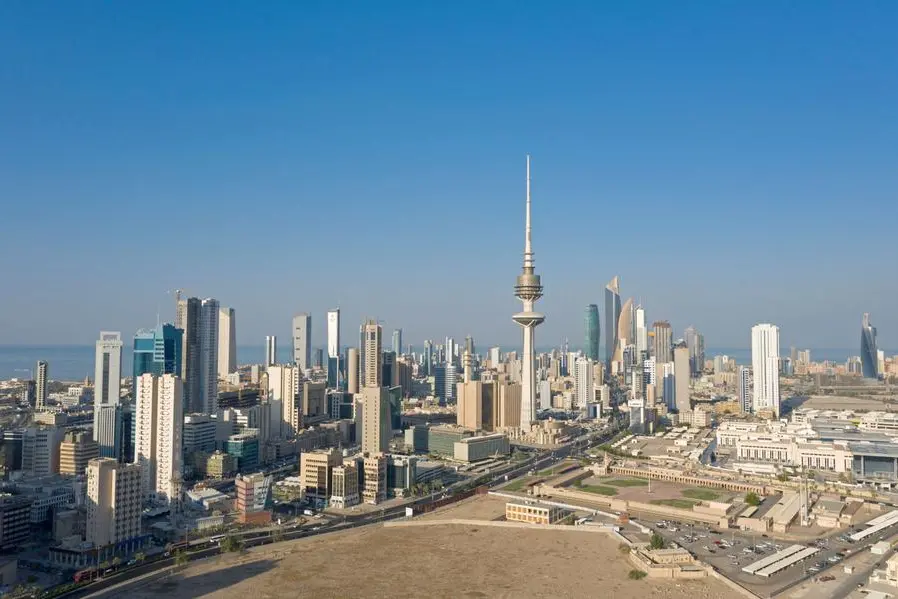
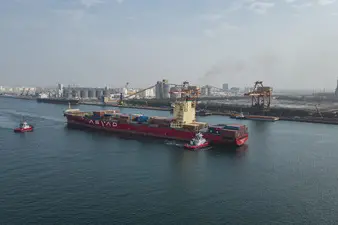
While the United Arab Emirates is also scouting for agricultural investments in Australia, Kuwait has been present there for a long time, said Kavanagh. According to him, Kuwaiti investors have integrated their business with breeding facilities for sheep, feedlots, and on-ground logistics.
"They [Kuwait] even have their own ships to carry goods from Australian ports to the Gulf," he said.
-By Brinda Darasha, Dow Jones Newswires; +9714 446-1688; brinda.darasha@dowjones.com
Copyright (c) 2012 Dow Jones & Co.
(END) Dow Jones Newswires
27-02-12 0757GMT