Insurance premiums rose in the Middle East at a fast clip last year, but penetration remains extremely low compared with other emerging markets.
The UAE was the top ranked Middle East country in terms of premiums per capita in a recent Swiss Re survey, but still fared a modest 62nd globally out of 147 countries.
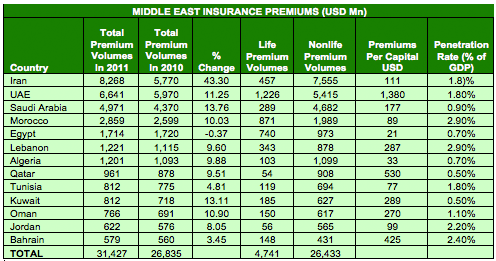
Iran was the fastest growing Middle East country in total insurance premiums, rising 43.30% last year, following on a 30% growth in 2010, as Iranians shrugged off sanctions to pay for premiums.
The Persian country is also the region's largest insurance market, with premiums reaching USD8.2-billion. Globally, Iran was placed 44 th in terms of total insurance premiums, with UAE placed a rank lower.
Other Mideast nations also put up a strong showing.
In Saudi Arabia, premium growth was about 13.76%, and Kuwait posting 13% grwoth. The Kingdom's insurance regulator has made its co-operative model exclusive, out-ruling the takaful models which were in predominant use among life insurers, noted Swiss Re.
"In the medium to long term, the life insurance market will continue to benefit from increasing insurance awareness," Swiss Re said in the report. "However, it remains to be seen how regulatory changes in Saudi Arabia will affect future growth. Life insurance penetration is still very low, highlighting strong future growth potential in the regional life insurance market."
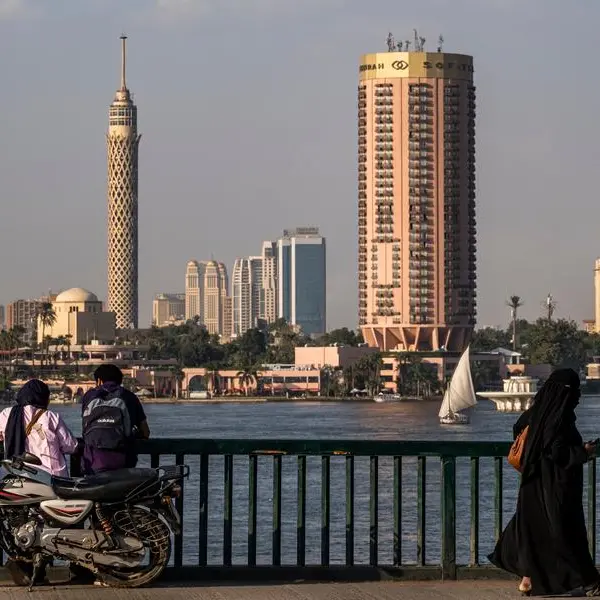
Countries hit by the Arab Spring revolution fared poorly across the board: Premiums in Egypt contracted by a third of a percent, while Tunisia (4.8%) and Bahrain (3.45%) posted some of the lowest growth in the region.
Despite the hiccups, the long term outlook for the region remains bright.
A number of takaful companies have set up operations in Egypt, potentially broadening the appeal of life insurance among, which will no doubt get a fillip with the arrival of Muslim Brotherhood in the political mainstream.
2012 OUTLOOK
"Political uncertainty in the Middle East and the slowing global economy will have a negative impact on regional economic activity, thereby affecting non-life insurance growth prospects in 2012," Swiss Re noted. "In the medium term to long term, however, strong growth is expected in personal lines as more people join the expanding middle class, awareness and acceptance of takaful and conventional insurance products rises, and more banks begin selling insurance products."
Swiss Re's takaful is similar to Ernst & Young's estimates of 19% growth last year, despite regional upheavals and distractions.
Key markets such as Malaysia and UAE saw growth rates of more than 24%, while Saudi Arabia saw its Islamic insurance gross contributions rise by USD500-million.
"The challenge was once again, maintaining growth with profitability in the current economic climate," notes E&Y in its report.
The global management consultancy had previously forecast total takaful contributions of USD9.1-billion in 2011, but the actual figures stood at USD8.3-billion as the UAE delayed the roll-out of medical insurance regulations.
"Overall, return on equity for the Takaful industry was lower than conventional counterparts, both in the GCC as well as in Malaysia," noted the consultancy. "However, a significant contributing factor to this was the lower investment returns for the industry relative to returns yielded by conventional insurers. The industry has now obtained significant market share versus conventional insurance in most GCC countries as well as South East Asian markets."
Regulatory support is also adding to the popularity and the advent of Islamist parties in many North African would no doubt boosts its prospects.
"Current growth trends would suggest USD12-billion in gross contributions by 2012. Excluding Saudi co-operative contributions, total takaful contributions are expected to reach USD7-billion by 2012," noted E&Y.
GLOBAL PERSPECTIVE
Growth in the regional insurance sector comes at a time of tough global economic conditions. As global GDP rose modestly and the world worried about a slowdown in the EU and United States, overall premiums declined 0.8% (inflation-adjusted) last year, according to Swiss Re.
Growth for non-life premiums in emerging markets was robust at 8.6%, while growth was marginal in advanced markets at 0.5%.
"Non-life premium growth in the advanced markets has been supported by gradual rate increases in personal lines of business and in regions affected by large natural catastrophes," said Swiss Re analyst Daniel Staib. "However, the weakening global economic environment dampened insurance cover demand."
Life premiums decreased 2.7%, caused mainly by a few large markets where insurance premiums sharply fell.
Even emerging markets were not immune, as tighter regulations on distribution of insurance products in China and India led to an overall decline in emerging life premiums.
However, the Swiss reinsurer expects emerging markets to lead a revival in both life and non-life insurance markets.
"Last year was not a great one for premium growth, but 2012 should be a lot better as rates continue to improve in non-life markets and India and China return to robust growth in life markets," Swiss Re Chief Economist Kurt Karl concluded.
© alifarabia.com 2012