Wednesday, Mar 09, 2011
Gulf News
Suggests replacing water and power subsidies with cash incentives
Dubai: The UAEs economic recovery is gaining strength, supported by a favourable global environment but subject to increased regional uncertainty, the International Monetary Fund (IMF) said on Monday.
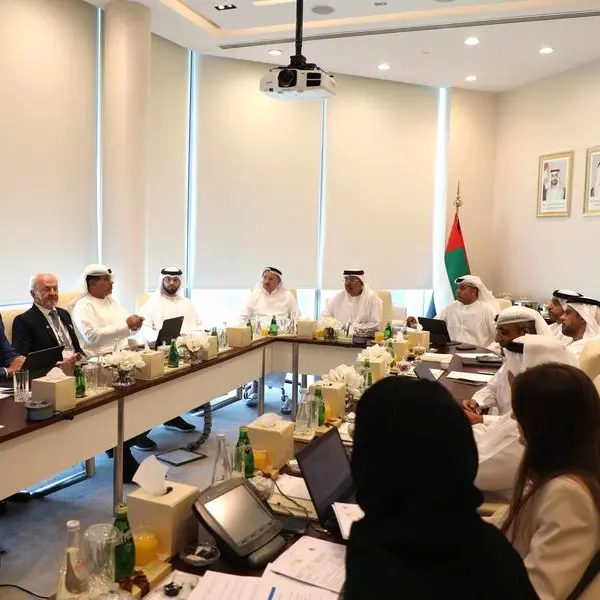
Risks to the recovery remain, including from possible economic spillover of regional events, Taline Koranchelian, head of an IMF delegation that concluded a visit to the UAE on Monday, said in a statement, following her meeting with key UAE officials including Sultan Bin Saeed Al Mansouri, UAE Minister of Economy; Obaid Humaid Al Tayer, Minister of State for Financial Affairs; and Sultan Bin Nasser Al Suwaidi, Governor of the Central Bank.
The current re-pricing of political and sovereign risks in the region could lead to more challenging market conditions, which may put pressure on the corporate sector, including the Government-Related Enterprises (GREs). The excess supply of property in Dubai and the uncertainty regarding its size will continue to weigh on growth.
Koranchelian said that, while overall growth is expected to remain unchanged in 2011 at 3.25 per cent, non-oil GDP growth is projected to accelerate from 2 per cent in 2010 to 3.25 per cent in 2011, reflecting strong tourism, logistics, and trade in Dubai; and large public investment spending in Abu Dhabi.
Oil gains
Despite higher international food prices, CPI [consumer price index] inflation is expected to remain moderate at 4 per cent, as rents continue to decline. Higher oil prices are contributing to a marked improvement in the fiscal position and balance of payments, the IMF official said.
Analysts say the current regional volatility might not affect the UAE as the local population is looked after well by the government.
I do not see any effect on the UAE as everyone is benefiting from the opportunities created by the governments prudent macro-economic policies. Most UAE nationals are looked after well and unemployment is not a major issue here, said a UAE-based economist, requesting anonymity.
Koranchelian said the economic recovery is gaining strength, supported by a favourable global environment but subject to increased regional uncertainty. The governments plan to upgrade the infrastructure in the northern emirates is a step towards more inclusive economic development, she said.
Replacing the current subsidies on water and electricity with explicit cash transfers to lower-income households should also be considered, the IMF suggested.
Labour schemes
Touching on the governments move to launch active labour-market policies to create jobs for nationals, she said: Given the concentration of unemployment in the northern emirates, launching these programmes in these regions, while also relocating some of the government agencies/entities in the north, would be important.
The banking sector remains resilient to shocks, she said, citing high capital and strong earnings.
The Central Bank has made important progress in strengthening its fin-ancial stability analysis, revamping the regulatory framework, and developing macroprudential policies.
It should continue to ensure that banks provision adequately, particularly in light of increasing provisioning needs on Dubai GREs. It also needs to monitor the performance of restructured loans and encourage banks to retain more earnings to handle potential risks in the medium term, she said.
4% IMFs inflation projection for the UAE
3.25% IMFs growth forecast for the country
3.25% Projected increase in the non-oil GDP
By Saifur Rahman, Business Editor
Gulf News 2011. All rights reserved.