HSBC's forecast for the region's three largest economies reveals its continued concerns for Saudi Arabia and Egypt, while it believes UAE's status as a safe haven is revived
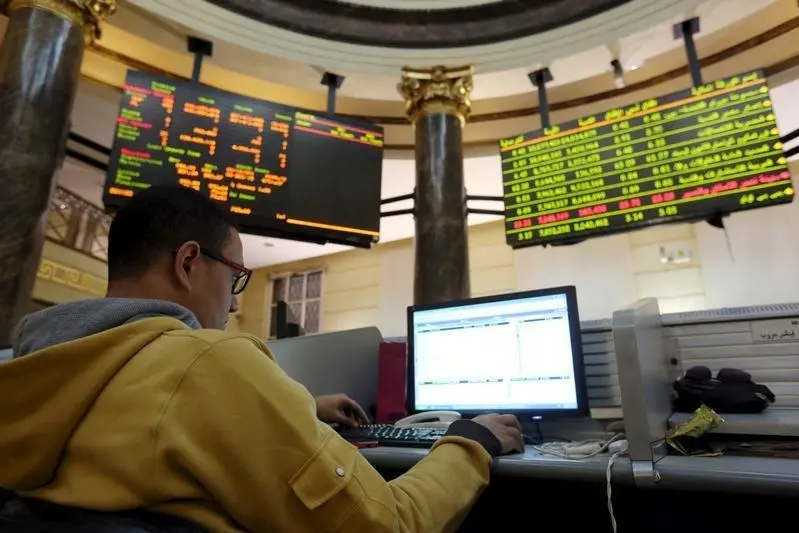
HSBC expects Egypt's GDP to rise a mere 0.2% in 2011, a far cry from the robust 5.1% growth in 2010. To be fair, a lot has changed in the country since the end of 2010.
Hosni Mubarak's efforts to hold on to the country's rein and his subsequent departure sucked the life out of the Egyptian economy, and things are only now slowly turning back to normal, with many question marks hovering on the horizon.
"Yet we remain a long way from normal," writes Simon Williams, HSBC economist. "The post-revolution constitution has yet to be agreed, leaving questions over the role of Islam, the power of the military and authority of parliament and the president unanswered."
HSBC is worried over the rise of the Muslim Brotherhood and its 'agenda', apart from the outcome of the parliamentary and presidential elections later in the year.
"The economy continues to struggle, and though growth is likely to resume in H2 2011, the pace will be much more muted than in the years preceding the revolution," says Williams. "This will put unemployment under continued upward pressure, compound the strain on public finances and likely keep interest rates high and credit growth slow."
Also read: 10 Egypt Positives
Saudi Arabia
While HSBC has raised its 2011 forecast for Saudi GDP growth to 4.5%, it remains concerned about the Middle East's largest economy.
The social spending programme has already made its presence felt in the economy, but "there is an underlying sense of unease," says HSBC.
The Kingdom's support offered to Yemen, Oman, Morocco, Bahrain, Jordan and Egypt "underscores the anxiety regional unrest causes," and highlights how Saudi Arabia remains concerned about the socio-political changes taking place around it.
The Kingdom's efforts to tighten restrictions on expatriate employment and other laws may also prove difficult to implement.
"We also have concerns that realising the giant public spending plans will be challenging and may add to already deepening price pressures. Overall, we project an average growth rate of just 4.5% over 2011-12 and expect unemployment to continue to run at double-digit levels among nationals."
Saudi Arabia's travails will also impact globally, given its status as the Opec kingpin and one of the largest oil producers of oil.
HSBC argues that Saudi Arabia is unlikely to play a major role in releasing additional supply to bring about a meaningful reduction in (oil) prices. "Quite simply, in our view high oil prices are required to fund the increased government spending that has been the inevitable response to the uprisings elsewhere in the region."
Also Read: Replacing Expats
The UAE
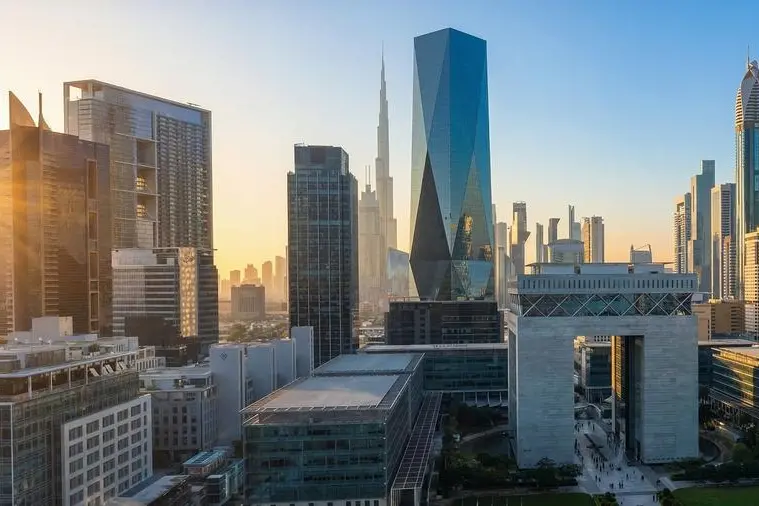
The UAE's GDP is expected to rise to 3.9% on the back of being a 'safe haven' in a region riddled with flashpoints.
"Stability has also allowed renewed access to long-term funding, with UAE entities issuing some 95% of the MENA dollar bonds to come to market this year. High oil prices may also have encouraged more marked gains in public spending," writes HSBC's Williams.
A subdued inflationary environment will helps UAE's attractiveness as a business and leisure destination, however excesses of previous years will continue to be felt, especially in real estate and construction.
Of course, Abu Dhabi's wealth masks over the fragility of Dubai finances.
"Our expectation is the latter will continue to adopt a relatively cautious fiscal stance, and that growth in spending by the government or government-related entities will remain modest at least until Dubai's debt restructuring negotiations are complete and its demanding near-term refinancing calendar has been met."
Also read: Dubai Revelations
Related Article: The World In H2
alifarabia.com
alifarabia.com 2011