09 March 2011
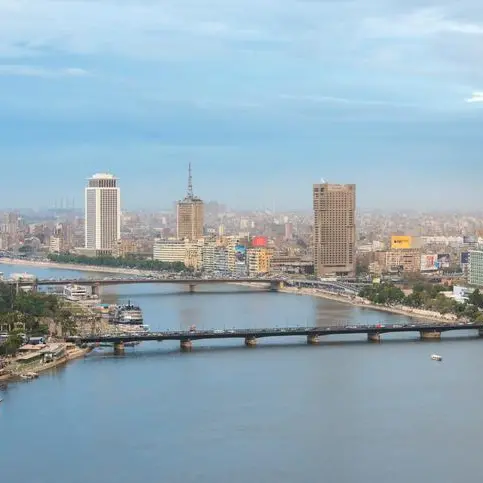
CAIRO: EFG Hermes updated Tuesday its 2011 forecast of the MENA region’s real gross domestic product growth rate, revising it downwards due to the ongoing political and security turmoil in many Arab states.
Before the political crisis, EFG Hermes expected acceleration in GDP growth in almost all countries it covers in the region.
Now, however, it forecasts a weighted average real GDP growth of 3.6 percent for the MENA region in 2011, down from its earlier forecast of 5.4 percent for 2011 and from an estimate of 4.9 percent growth in 2010. The report was published by Bank Audi MENA Weekly Monitor.
“Countries with strong political disruptions would likely see a substantial impact on their economies, including on tourism, private consumption, Foreign Direct Investment and access to foreign capita,” the report said.
EFG Hermes now expects to see a contraction in real (and nominal) GDP growth in Egypt in 2011 and it has reduced its real non-oil GDP growth outlook for Bahrain after the cancelation of the Formula One Grand Prix.
In the short term, there are likely to be some delays in external funding to the wider region, until there are signs of political stability, and EFG Hermes has decreased its real GDP growth forecasts for Oman and Saudi Arabia. Qatar and the UAE are least likely to face this funding issue linked to political risks.
Regarding oil, EFG Hermes has increased its price forecast for Brent crude to $98.00 p/b for 2011 (from $88.00 p/b) and expects it to remain at this level in 2012 (from $95.00 p/b).
Raised political risk fears since February have helped to push Brent crude above $100.00 p/b, with Brent spot breaching the $120.00 p/b level at the height of the Libyan output concerns.
At present, OPEC’s spare capacity of around 4.7 million b/d can cover the loss of Libya’s oil production (around 1.6 million b/d), although not the high grade of Libyan oil, which is especially suitable for gasoline production.
However, the investment bank noted that there is substantial upside potential to its oil price forecasts if the political situation deteriorates in any of the major oil-producing countries, with higher risk premium especially if production is impacted.
Developments in Saudi Arabia would be particularly important to monitor. If protests materialize there, even if peaceful, EFG Hermes believes the risk premium would increase. If production is disrupted by any of the other key oil-producing countries, the oil price outlook could move markedly higher.
Higher oil prices would support oil-exporting countries’ fiscal positions and put them in a stronger position to implement populist measures.
EFG Hermes has thus increased other headline figures, including nominal GDP and trade balances for the GCC countries with their higher oil price forecast. Oil importing countries would, however, likely face greater pressure to increase oil subsidies.
The study noted that there have already been a number of fiscal measures adopted across the region, in some cases pre-emptively, in order to meet the needs of the people.
Measures include higher subsidies, social transfers, tax reduction on commodities, higher funding for housing, and public sector salary increases.
EFG Hermes indicated that there is a risk that some of the adopted policies could impact the private sector, for example, increases in minimum wages and price controls to limit inflation. – The Daily Star
Copyright The Daily Star 2011.