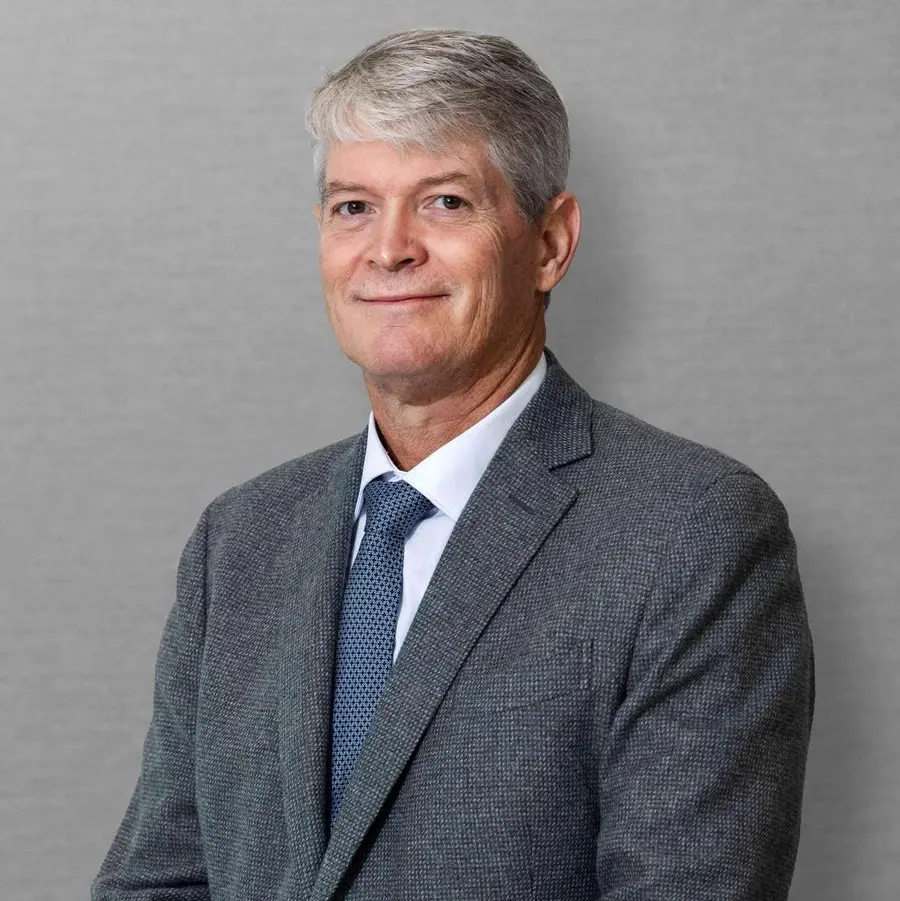
The UAE has fully met the requirements of nuclear non-proliferation agreements signed with the International Atomic Energy Agency (IAEA), including the Comprehensive Safeguards Agreement and the Additional Protocol, Christer Viktorsson, Director-General of the Federal Authority for Nuclear Regulation (FANR), said on Wednesday.

Speaking at a media briefing, Viktorsson said that 78 percent of FANR nuclear inspectors are Emirati nationals.

He added that FANR has maintained robust oversight of the Barakah Nuclear Power Plant, conducting 36 inspections, equivalent to almost 1,300 person-days, across nuclear safety, security, radiation protection, and non-proliferation.

"Barakah is currently the largest source of electricity in the UAE, providing approximately 25 percent of the country’s power needs," he stated. "With all four units commercially operational, the UAE has become a successful role model for nuclear newcomer countries, many of which have expressed interest in learning from FANR’s regulatory journey."

In 2025, FANR certified more than 40 Reactor Operators and Senior Reactor Operators, bringing the total number of certified personnel at Barakah to 300, which is critical to the safe operation of nuclear facilities.

As Unit 1 of Barakah enters its fifth year of operation, FANR is in the process of approving the Periodic Safety Review submitted by Nawah Energy Company, covering plant design, ageing management, safety culture, and other critical safety factors to ensure safe and secure operation of the plant.

FANR also oversaw refuelling and maintenance activities across all four units during the year, Viktorsson said.

On non-proliferation, FANR conducted 48 safeguards-related inspections and 98 import and export control inspections in 2025, to ensure licensees’ compliance with regulatory requirements.

"We fully met the requirements of nuclear non-proliferation agreements signed with the International Atomic Energy Agency, including the Comprehensive Safeguards Agreement and the Additional Protocol. The IAEA confirmed that the UAE achieved the 'broader conclusion' status in 2025 for the third consecutive year," Viktorsson said, noting that this represents the highest level of assurance provided by the agency.

Moreover, FANR strengthened cooperation with the IAEA through the UAE Safeguards Support Programme and supported the agency’s Comprehensive Capacity-Building Initiative for newcomer countries.

The authority also contributed to the IAEA’s COMPASS initiative by providing technical assistance to Bangladesh, including the review of its import-export control framework. This contribution was recognised by the IAEA as reinforcing the international nuclear non-proliferation regime.

In nuclear security, FANR conducted 59 nuclear security regulatory inspections at facilities using radioactive material and carried out 322 inspections of radioactive source transport vehicles.

In addition, FANR integrated its Vehicle Inspection System with the UAE Federal Traffic and Licensing System, reducing licensing time from five days to 15 minutes, supporting the government’s zero-bureaucracy programme.

The authority received the "Best Incident Response" at the Cybersecurity Awards 2025 for strengthening its cyber resilience.

During 2025, FANR issued around 1,770 licences to medical and non-medical facilities and more than 1,600 import and export permits for radiation sources, and carried out 227 inspections of facilities using radiation sources. Its Secondary Standards Dosimetry Laboratory performed about 1,600 equipment calibrations for customers across the UAE.

Viktorsson also announced the graduation of the first cohort of the National Programme for Qualifying Nuclear and Radiological Emergency Workers, launched in 2024 in cooperation with the Ministry of Interior and aimed at training 3,000 emergency personnel.

FANR conducted and participated in 15 national and international emergency drills, including scenarios involving transboundary nuclear emergencies, and delivered 10 specialised nuclear emergency training courses for more than 60 personnel.

The authority is currently participating in and leading 12 active national and international research projects and launched the Regulatory Research Programme in 2025 to fund and support national research in radionuclides, nuclear safety, and related disciplines. In 2026, the programme will support five research projects in collaboration with the Emirates Nuclear Technology Centre, Khalifa University, and other partners.

The authority employs 245 staff members, of whom 79 percent are Emirati nationals, with 73 percent of Emiratis working in technical roles. FANR has qualified more than 90 inspectors to date and launched the Emirates Nuclear and Radiation Academy Ambassadors Programme at the University of Sharjah, with more than 740 students enrolled.

Viktorsson said FANR signed 10 memoranda of understanding and cooperation agreements with national and international partners and continues to play a leading role in the global nuclear community.

He added that the authority has adopted its 2027–2029 strategy, which aims to further strengthen the UAE’s nuclear and radiation regulatory framework in line with national priorities.

The strategy is built around three core pillars: nuclear governance and regulatory leadership; nuclear and radiological safety, security, and safeguards; and preparedness and response to nuclear and radiological emergencies, supported by cross-cutting enablers in capacity building and innovation.