PHOTO
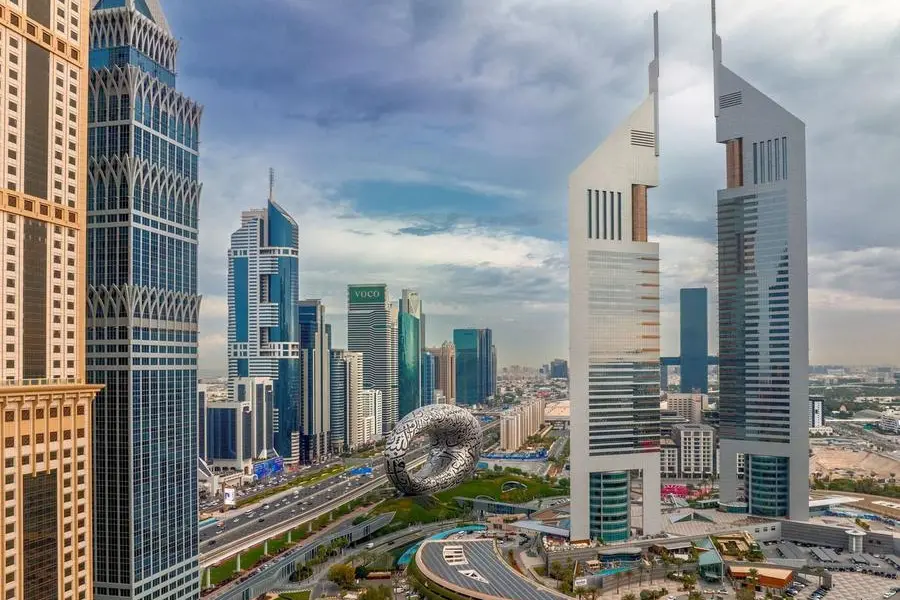
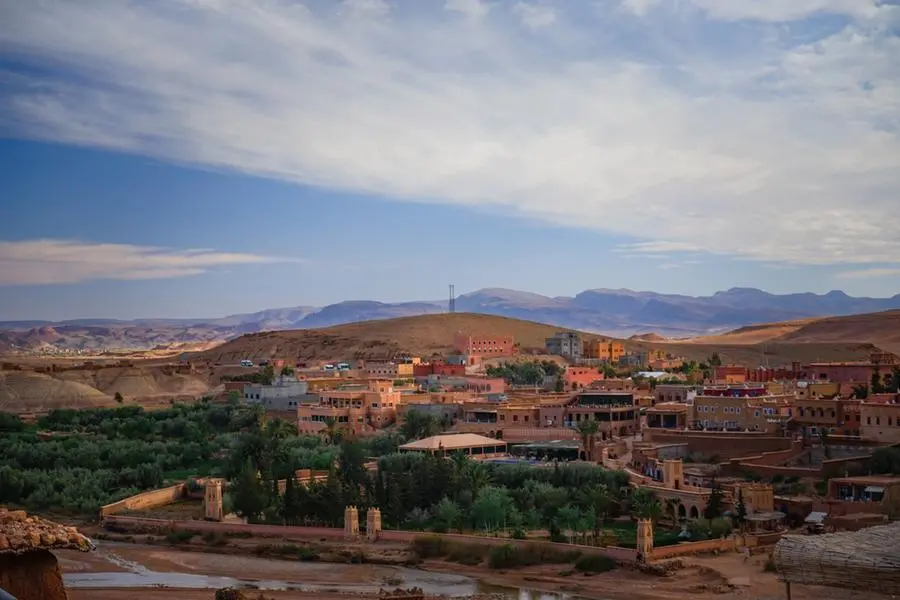
The UAE is planning to build one of the world’s largest tourism villages in a deserted Atlantic coastal strip in the Sahara desert in Morocco, the local media report.
The project is based in La Güera, which is dubbed “ghost town” as it is a deserted tiny coastal strip located in the southernmost part of the North African Arab country.
Media outlets in Morocco said the UAE presented the project after tension in relations with Algeria, noting that the oil-rich Gulf country opened a consulate in the Sahara Laayoune city in 2020 and is planning to set up an embassy in Dakhla city in the Sahara.
The proposed project includes chalets and villas, hotels and guesthouses, luxury desert tents, swimming pools and water parks, spa and fitness centers, sports fields, green spaces and BBQ areas, children’s playgrounds, restaurants and cafés, gift shops and quick-service kiosks, according to the report.
It also comprises reception and security services, parking for cars and buses, electricity, sewage systems, internet, event and conference halls and a marina.
“The UAE proposal to the Moroccan government follows a steady improvement in relations between the two countries,” Al-Intefadah newspaper said.
The UAE has maintained strong political links with Morocco and is one of the largest foreign investors in the Arab kingdom.
At the end of the first half of 2025, the UAE’s investments in Morocco stood at around 1.7 billion Moroccan dirhams ($188 million), second only to France’s assets, according to the Moroccan Economy and Finance Ministry.
In May last year, a consortium of Emirati and Moroccan investors signed a series of memoranda of understanding (MOU) with the Moroccan government and state utility ONEE in May to develop water and energy infrastructure projects worth $14 billion.
The group comprises Abu Dhabi National Energy Company (TAQA), through its local subsidiary TAQA Morocco, Moroccan energy firm Nareva, and Morocco’s sovereign wealth fund, the Mohammed VI Investment Fund.
The planned investments aim to address Morocco’s acute water scarcity and rising electricity needs, while supporting longer-term ambitions for energy independence and climate resilience, according to an official statement.
Morocco has been locked in a major construction and infrastructure development drive to brace for co-hosting the 2030 FIFA world cup games along with Spain and Portugal.
(Writing by N Saeed; Editing by Anoop Menon)
Subscribe to our Projects' PULSE newsletter that brings you trustworthy news, updates and insights on project activities, developments, and partnerships across sectors in the Middle East and Africa.