PHOTO
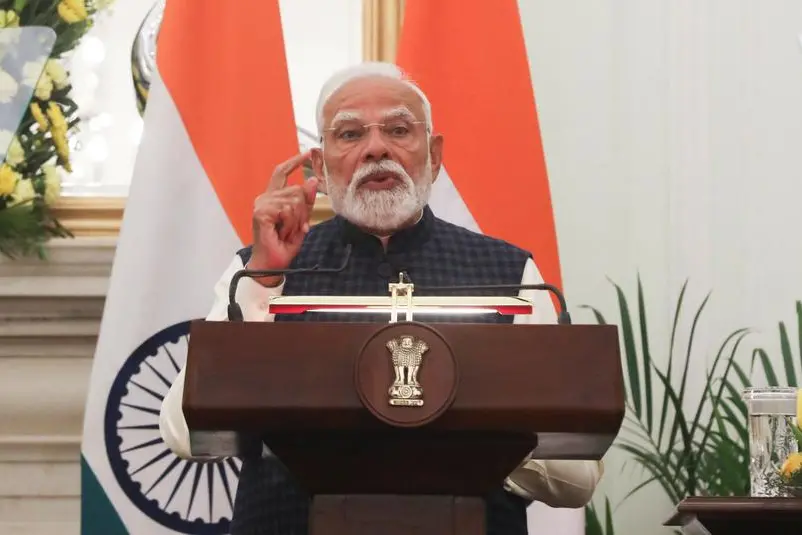
The fundamentals of the Indian economy are strong and the country has adequate availability of petroleum, fertilisers and coal to weather trade and energy disruptions caused by the U.S.-Israeli war on Iran, Prime Minister Narendra Modi said on Monday. The conflict, which began last month, has disrupted sectors from air travel to shipping and gas supplies, including by the near-closure of the Strait of Hormuz, which serves as a conduit for 40% of India's crude oil imports.
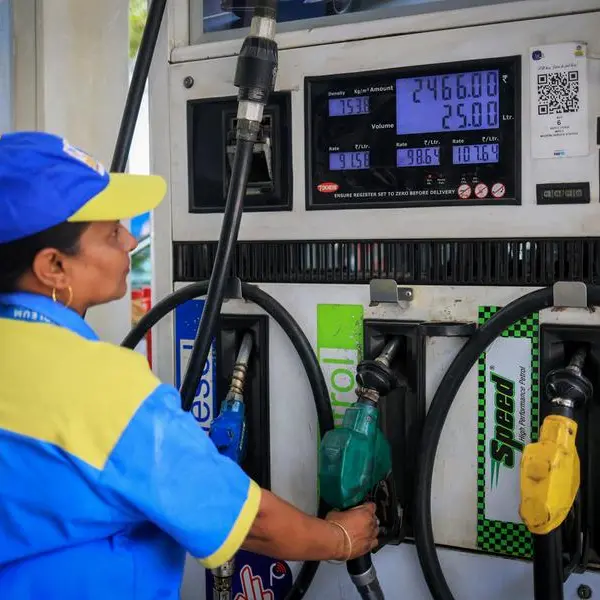
India has sufficient petroleum availability, with strategic reserves currently exceeding 5.3 million metric tons, and work underway to create reserves of another 6.5 million metric tons, Modi told parliament's lower house on Monday.
"The inherent strength of India's economic fundamentals has ... provided significant support to the nation during this period," he said.
Adequate arrangements have also been made for fertilisers supply for the summer sowing season that starts in June-July, and for coal to meet the rising demand for electricity as temperatures rise, he added.
The South Asian country – the world's most populous and its fastest growing major economy – still relies on coal for three-fourths of its electricity generation, even as it ramps up renewable energy generation at a record pace. The Indian economy is estimated to grow by 7.6% in the fiscal year ending March 2026, the National Statistics Office said last month. It is projected to grow between 7% and 7.4% in FY27.
Analysts say a prolonged crisis in the Gulf region could significantly dampen India's growth in FY27 due to surging energy costs and supply chain disruptions. Modi had emphasised the importance of ensuring shipping lanes remain open and secure despite the war during a conversation with Iran's President Masoud Pezeshkian on Saturday.
India is walking a tightrope in the war, boasting historical cultural ties with Iran, strong, strategic relations with Israel, and close friendships with Arab countries.
It has repeatedly called for dialogue and diplomacy to resolve the conflict.
(Reporting by Sakshi Dayal; Editing by YP Rajesh)