PHOTO
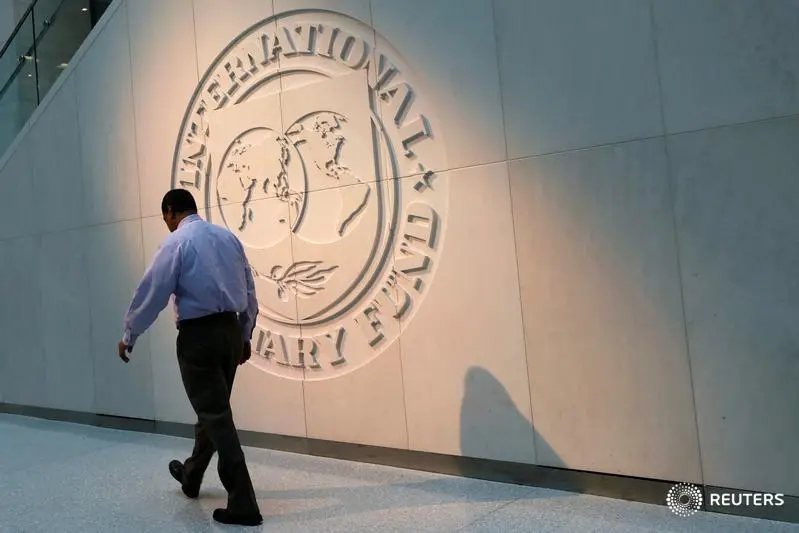
Bangladesh and the International Monetary Fund have agreed on the broad framework for a new lending programme, with reforms to be introduced gradually to reflect the country's tough economic conditions, the finance minister said on Monday. The South Asian nation is negotiating a replacement for its existing $5.5 billion IMF bailout after the newly elected government opted to exit the previous programme, saying some of its conditions were inconsistent with its priorities.
"The basis for the new programme has been clarified, and the IMF has fully agreed with the proposed framework," Finance Minister Amir Khosru Mahmud Chowdhury told reporters after meeting an IMF fact-finding mission to Bangladesh.
He said reforms would be implemented in phases and that the IMF had agreed with the government's sequencing of reforms while recognising the need to also protect public welfare.
The minister said the IMF delegation welcomed the government's progress in financial sector reforms, revenue collection and capital market development during its first four months in office. Discussions also covered measures to raise Bangladesh's tax-to-GDP ratio.
"Today's discussion was mainly about laying the foundation for the new programme," he said, adding that detailed negotiations on subsidies and other policy conditions had yet to begin.
Bangladesh entered the IMF bailout programme in 2023 under then Prime Minister Sheikh Hasina during a severe foreign exchange crisis. About $3.8 billion have been disbursed so far. Prime Minister Tarique Rahman's government, which took office in February after elections, is seeking a new IMF arrangement as persistent inflation, slowing growth and pressure on foreign exchange reserves continue to weigh on the economy.
Chowdhury said negotiations would continue, with the next round expected during the IMF and World Bank annual meetings in September or October.
(Reporting by Ruma Paul, editing by Andrei Khalip)