PHOTO
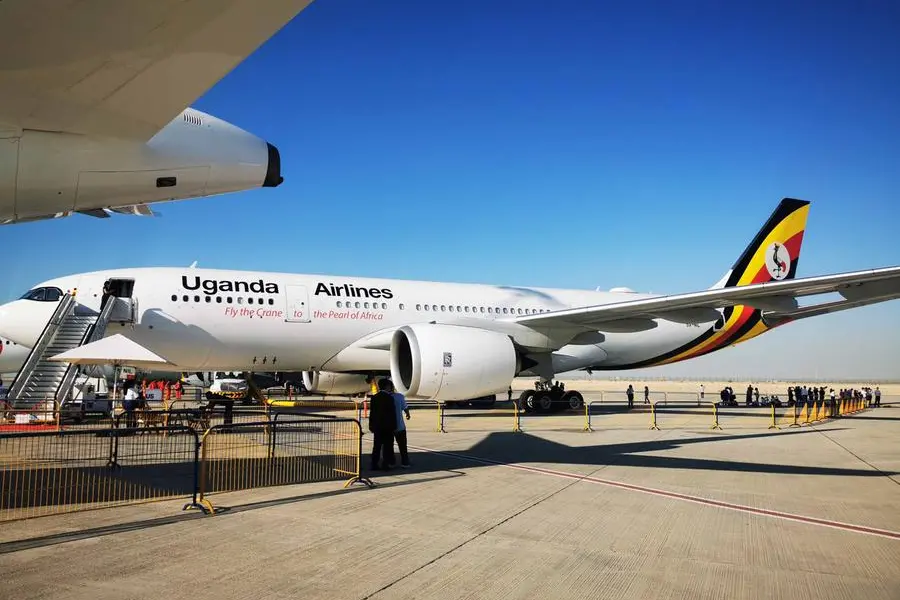
Uganda Airlines this week made a billion-dollar bet on its future, committing to a fleet expansion centred on new Boeing aircraft. The decision has predictably generated debate.
To some, investing nearly $1 billion of public money in an airline that has already accumulated significant losses appears difficult to justify, especially at a time the country faces pressing needs in health, education and other social sectors.
Those concerns are understandable. Public resources are finite, and governments must always be prepared to explain why large investments deserve priority. Yet when it comes to Uganda Airlines, the reality is that the country has already crossed the point where retreat is a sensible option.
The national carrier has consumed substantial public investment since its revival. Walking away now would not recover that money. Instead, it would almost certainly lock in the losses while denying the country any opportunity to realise the long-term economic benefits that justified the project in the first place. The question now is whether Uganda can make the airline work.
A closer examination of the carrier’s performance suggests that not all of its difficulties stem from the concept itself. Management shortcomings have undoubtedly played a role, but another major challenge has been underinvestment relative to the airline’s growth ambitions.
Since commercial operations began in August 2019, the carrier has remained largely stuck in the first phase of its development plan. Only a fraction of the envisioned regional network has been launched.
Expansion into major markets such as China and additional destinations across Africa has repeatedly been delayed. Meanwhile, a fleet that was expected to grow significantly several years ago has remained virtually unchanged.
In aviation, scale matters. Airlines require sufficient fleet capacity to spread costs, maintain schedules and build commercially viable networks. A carrier that remains permanently undersized is unlikely to achieve sustainable profitability.
Viewed from that perspective, the decision to acquire additional aircraft is not reckless. It is a logical attempt to unlock the latent potential within the network and provide the scale necessary for the airline to compete effectively.
The expansion offers an opportunity to increase passenger volumes, improve connectivity, support tourism, facilitate trade and strengthen Uganda’s position as a regional transport hub.
History offers many examples of ambitious public projects that promised transformative economic benefits only to be undermined by poor governance, political interference, corruption and weak management.
The airline’s future success will depend less on the aircraft it buys and more on the quality of leadership that oversees them. Procurement decisions must remain transparent. Commercial decisions must be driven by market realities rather than political considerations.
Ugandans have every reason to support their national carrier. A successful airline can create jobs, expand trade, attract investment and strengthen national prestige. But support should not mean blind faith.
The public should cheer its progress while demanding the accountability necessary to ensure that this billion-dollar gamble becomes a national success story rather than another costly lesson in missed opportunity.
© Copyright 2026 Nation Media Group. All Rights Reserved. Provided by SyndiGate Media Inc. (Syndigate.info).