PHOTO
Two regional authorities managing transport corridors have, for the first time, signed a memorandum of cooperation to tackle non tariff barriers, potentially cutting freight costs across eastern and central Africa region.
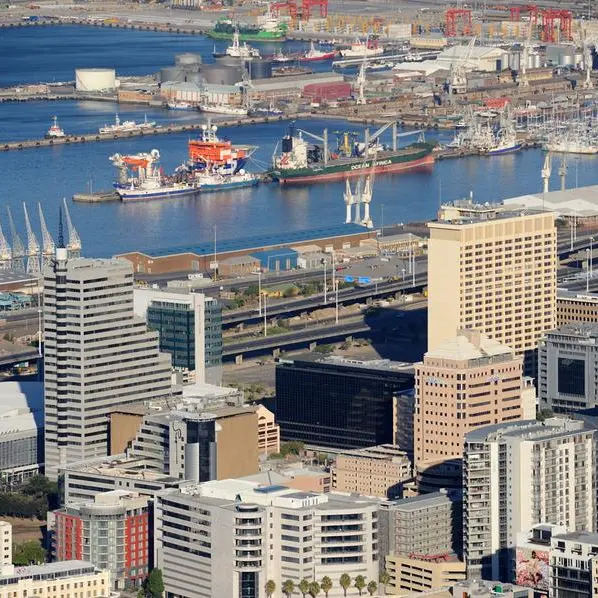
The Northern Corridor Transit and Transport Coordination Authority (NCTTCA) and the Central Corridor Transit and Transport Facilitation Agency (CCTTFA) oversee policies related to the export-import logistics from the Port of Mombasa and that of Dar es Salaam respectively.
Now they have entered into a memorandum of cooperation (MoC) to address non-tariff barriers (NTBs) and operationalise different transport nodes with the aim of lowering freight costs.
The two agencies say they have identified four areas of cooperation to strengthen collaboration and improve transport efficiency, trade facilitation, and sustainability across Eastern and Central Africa.
The MoC signed on Tuesday in Mombasa establishes a structured framework for joint action between the two intergovernmental corridor institutions, which together serve as critical gateways linking two port states and five landlocked countries in the region.
The deal will remain in force for an initial five-year period, with provisions for renewal and expansion based on mutual agreement. It will prioritise alternative transport modes to reduce dependence on road and rail.
Green corridor developmentThe two corridors have reported high cargo transport costs, currently at Sh230 ($1.8) per km per container, compared with international best practice of Sh128 ($1) per km per container.
The most expensive cargo route is Kampala–Mombasa at $2.5 per tonne, followed by Mombasa–Kampala at $2.17, Dar es Salaam–Kampala at $1.17, and Bujumbura–Dar es Salaam at $1.02 per tonne.
The 1,700-kilometre Northern Corridor runs between Mombasa port in Kenya, Uganda, Rwanda, Burundi, and eastern DRC, while the 1,300-kilometre Central Corridor serves Tanzania, Rwanda, Burundi, Uganda, and eastern DRC, with entry and exit at the port of Dar es Salaam.
NCTTCA executive secretary John Deng said the agreement reflects a shared commitment to advancing regional integration, economic competitiveness, and climate-resilient transport systems.“Under the cooperation framework, NCTTCA and CCTTFA will jointly implement initiatives across priority areas, including inland waterways transport, with a focus on Lake Victoria, which is shared by three regional states.“The technical team will address outstanding issues and jointly fundraise to actualise it,” said Mr Deng.
Other thematic areas of collaboration include green corridor development, multimodal infrastructure integration, digitalisation and data sharing, environmental sustainability, and climate resilience.
CCTTFA executive secretary Okandju Okonge said rising transport costs stem from over-reliance on road transport, but the development of alternative modes will reduce costs and other NTBs.
Reducing logistics costsMr Okonge added that the two institutions will jointly monitor and harmonise transport and trade policies and procedures to lower costs.
The MoC also emphasises capacity building, private sector engagement, and coordinated resource mobilisation to support implementation.“To operationalise the agreement, the parties will develop a three-year Joint Action Plan, overseen by a high-level Steering Committee composed of the Executive Secretaries of both institutions and supported by a Joint Technical Committee of experts,” said Mr Okonge.“This governance structure will ensure coordinated planning, effective implementation, and regular monitoring and reporting of agreed activities,” he added.
The cooperation aligns with continental and global development priorities, including the African Continental Free Trade Area (AfCFTA), the African Union’s Agenda 2063, and the Sustainable Development Goals, particularly those related to infrastructure development, climate action, and sustainable economic growth.
It also recognises the strategic role of multimodal transport and inland waterways in reducing logistics costs, lowering emissions, and enhancing regional value chains.
During the signing of the MoC, the two institutions reaffirmed their commitment to transforming the Northern and Central Corridors into efficient, safe, and green economic development corridors, supporting long-term trade growth and resilience in the region.
© Copyright 2026 Nation Media Group. All Rights Reserved. Provided by SyndiGate Media Inc. (Syndigate.info).