PHOTO
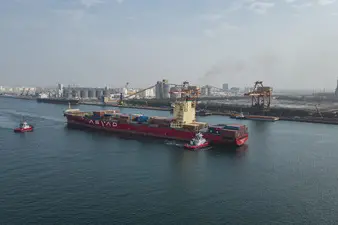
A Malawian-flagged Chinese vessel passed through the Strait of Hormuz on Tuesday – one of the few tankers from Iranian ports allowed to depart – as the US imposed a blockade.
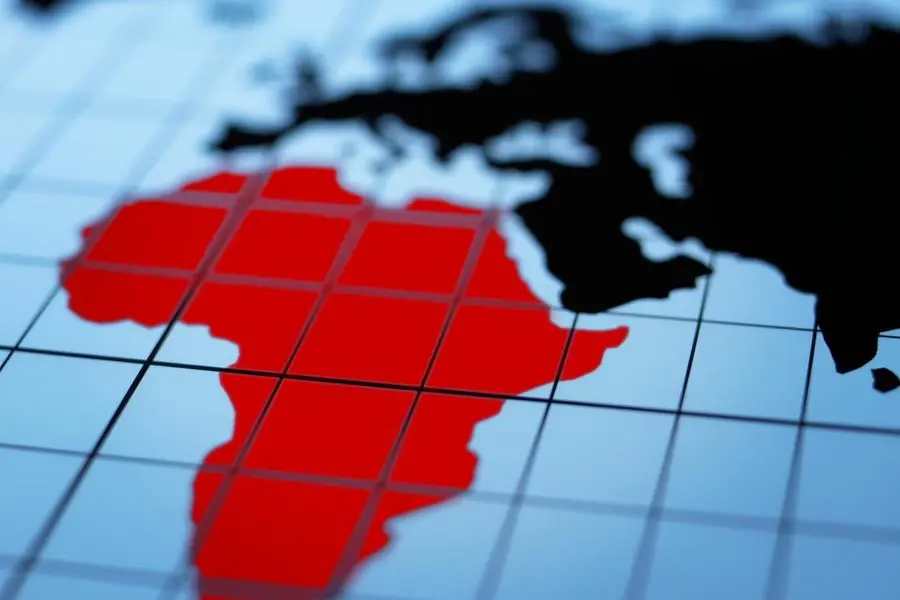
China is the main buyer of Iranian oil but the Strait is a key route for most African countries, especially on the east coast, which buy from the Gulf.
The blockade could have larger ramifications for African countries already suffering supply-chain disruptions. Concerns for higher energy prices have heightened in East Africa after the US and Israel launched attacks on Iran on February 28.
Though Kenya, Uganda and Tanzania say they have enough fuel to last weeks, uncertainty around supplies saw traders hoard the products.
On Wednesday, Kenya – which announces price caps on the 14th day of the month – factored that in when making new prices. According to the Lloyds Maritime Institute, a reduction in vessel traffic despite the ceasefire, in the Strait of Hormuz is a signal of risk awareness.
The London-based Institute said there have been “elevated risk perception among operators and charterers” as well as caution from insurers keen to avoid paying the price if a vessel is caught between fire. As such, ships are likely to avoid the route or delay deliveries.
The initial choice for Africa may be to endure the wait or seek alternative markets especially in Saudi Arabia to pass through the Bab-el-Mandeb strait, even though it may be occupied by Yemeni Houthis allied with Iran.
Only six ships crossed on Monday, lower than the 14 on Sunday.“While a ceasefire and the US naval blockade are in place, flows slowed significantly,” the monitor said.“Confidence among shipowners remains weak, with uncertainty around enforcement clarity, insurance constraints and counter-party exposure continuing to weigh on transit decisions, particularly for laden voyages requiring double approvals.”Yet that could give Africa a bigger chance to utilise its oil better. The move by Africa’s richest man Aliko Dangote to supply fuel to several countries has opened up a conversation about refinery capabilities in the continent.
Dangote said his refinery, which has a capacity of 650,000 barrels per day, had not been exporting petroleum products to African countries.
Dangote has began supplying petroleum products to Tanzania, Cote d’Ivoire, Ghana, Togo and Cameroon.
All East African countries import refined oil goods while Nigeria also imports to meet the demand. “When it comes to supply of energy products, we need to call for a pan-African strategy that reduces reliance on foreign exchange.
In order to create true energy security, we must use this moment to invest clean energy, which unlocks long term solutions. This will open up sustainability in transport, lowering the cost of living and other areas that will unlock energy independence,” Adow told The East African on Tuesday.
Additional reporting by Aggrey Mutambo.
© Copyright 2026 Nation Media Group. All Rights Reserved. Provided by SyndiGate Media Inc. (Syndigate.info).