PHOTO
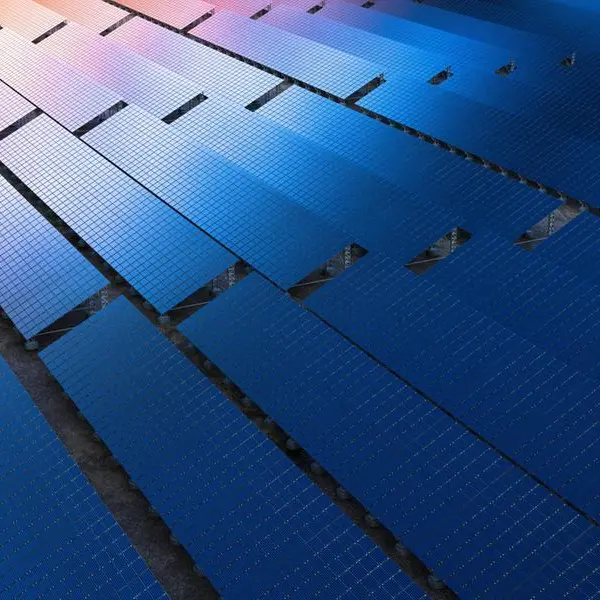
British International Investment (BII), UK’s development finance institution, is backing Egypt’s first utility-scale hybrid solar and battery energy storage (BESS) project.
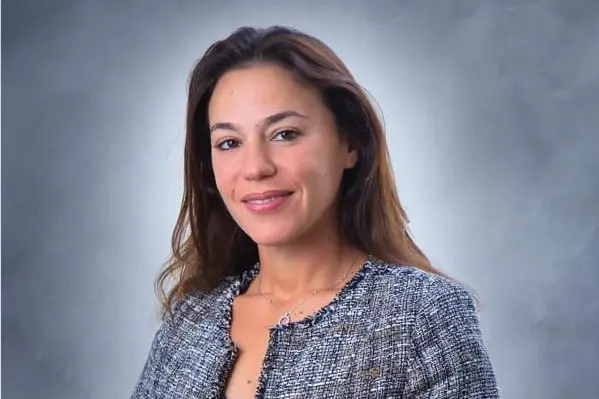
Sherine Shohdy, Head of Office and Coverage Director, BII, Egypt told Zawya Projects that the 1.1-gigawatts (GW) Obelisk development by Norway’s Scatec marks a milestone for Egypt’s clean energy ambitions.
She said the integrated solar photovoltaic (PV) and BESS project directly supports Egypt’s target of generating 42 percent of its electricity from renewables by 2030.
“Once operational, the Obelisk solar and battery storage project will produce 3,000 GWh of clean electricity each year, avoiding 1.4 million tonnes of carbon emissions,” she said. “The 200 MWh battery storage system will help stabilise the grid, ensuring renewable energy is available when it is most needed.”
Shohdy said the project, which power homes and businesses with reliable green energy, will boost economic output, support resilience, and help create skilled jobs that define the future of work.
In June 2025, Scatec had announced that the project is being developed in two phases with the first phase scheduled to achieve commercial operation in the first half of 2026.
“BII’s investment also builds on our growing climate portfolio in Egypt, which includes ARC for Renewable Energy’s 390 MW of solar capacity at the Benban Solar Park, the 1.1 GW Gulf of Suez wind farm as well as nine projects within the Benban Solar Park as part of the Feed-In Tariff Round II. These initiatives are strengthening Egypt’s position as a regional leader in climate action and green energy while delivering tangible social and economic benefits for future generations.
Excerpts from the interview:
In practical terms, how does the Obelisk project reflect BII’s partnership strategy for delivering measurable climate impact in Egypt?
The project demonstrates our role as a first-mover and reaffirms our commitment to working systematically with partners to uncover new and exciting areas for investment. We are proud to partner with other Development Finance Institutions such as the European Bank for Reconstruction and Development (EBRD), African Development Bank (AfDB) together with private developer Scatec, aligning concessional and commercial capital to deliver impact at scale.
Our model blends long-term patient capital with a flexible toolkit. On this occasion, we are testing zero-interest subordinated loans and grants to remove one of the biggest barriers to bankability and create a replicable blueprint for other fast-growth markets. [BII’s financing includes a $ 100 million concessional loan and a $15 million returnable grant - a deeply subordinated loan- that helps lower the overall cost of the BESS part of the project]. By structuring finance this way, we make complex projects achievable and create the conditions for private sector partners to play a more meaningful role in our mission.
We take a systems-wide approach, focusing not only on financing assets but also on strengthening energy systems that connect them. In Egypt, that means expanding our work beyond standalone generation to integrated solutions combining solar, storage, and grid upgrades, ensuring clean energy moves efficiently from generation sites to homes, industries, and communities via transmission and wheeling.
Through initiatives like the Emerging Markets and Developing Economies Investor Taskforce (EMDE), we apply this same approach, matching our capital and expertise to market failures in Africa to accelerate the energy transition and fuel green energy-led growth.
What are BII's targets, future plans, and allocated investment volume? Could you also share details about the sectors being targeted in Egypt?
We invest between $1.5 and $2.5 billion per year in green infrastructure, technology and other strategic sectors to support countries not just in Africa but also in parts of Asia. Our focus is on wherever and however we can be a catalytic force that benefits both people and the planet. We want to make development gains for as many people across Egypt as we possibly can.
Our commitments are guided by where we can enable private sector growth and job-creating impact in ways that are sustainable, climate-conscious, and truly inclusive. Our capital goes wherever we believe we can make a lasting difference in people’s lives, while also prioritising the areas where capital is scarce.
In Egypt, we see strong investment opportunities in IT, telecommunications, manufacturing, renewable energy and large-scale infrastructure projects. The government’s stated priorities under its Vision 2030, including human capital development, private sector growth, infrastructure development, and digital transformation, align closely with our own investment focus.
Furthering our climate strategy, we are exploring strategies where infrastructure can empower and support Egypt’s transition to a low-carbon economy. This includes scaling renewable energy generation, creating scalable models for private capital to back transmission projects, and investing in industrialisation that sparks domestic growth and export competitiveness. We are equally inspired by what we can achieve by supporting trailblazers driving Egypt’s emerging circular economy.
Could you tell us about your current investment portfolio?
BII provides patient, flexible capital across debt, equity, and funds. In 2024, we committed £1.09 billion ($1.4 billion) to African companies, bringing our portfolio on the continent to £4.4 billion ($5.5bn) across 884 businesses. We also directed £880 million to fragile markets, underlining our counter-cyclical role where private investment is scarce.
Our direct investments focus on businesses large enough to absorb significant capital, create quality jobs, and deliver sustainable growth. This scale ensures that improvements in environmental, social, and governance standards generate meaningful, long-term impact for local communities and economies.
(Reporting by Marwa Abo Almajd; Editing by Anoop Menon)
Subscribe to our Projects' PULSE newsletter that brings you trustworthy news, updates and insights on project activities, developments, and partnerships across sectors in the Middle East and Africa.