PHOTO
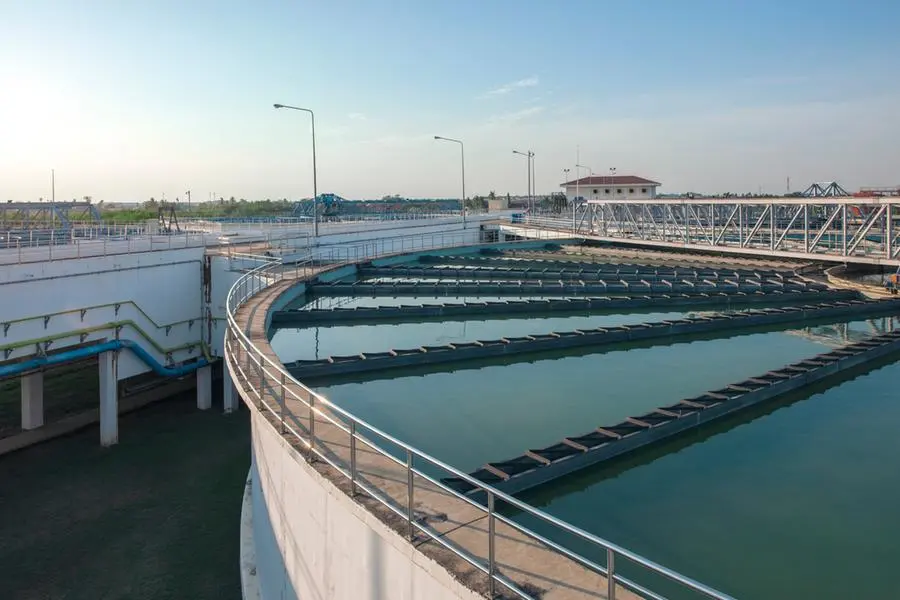
Doha, Qatar: The Public Works Authority (Asghal) has achieved a major milestone in sustainable water management by successfully treating and reusing 98 percent of the wastewater, reinforcing national efforts to conserve water resources, enhance environmental sustainability, and support the country’s expanding urban landscape.
In infographics published on its official X account, Asghal highlighted that its wastewater treatment and reuse programme has transformed what was once considered waste into a valuable resource for irrigation, groundwater replenishment, and environmental conservation.
According to the authority, a cumulative 3.46 billion cubic metres of wastewater has been treated and reused as part of its integrated water management strategy. The treated water is distributed across several key sectors, with 32 percent allocated for irrigating green spaces, 31 percent used for fodder feed plantation, 22 percent injected into aquifers to help replenish underground water reserves, and the remaining 14 percent stored in seasonal lagoons for future use.
The achievement forms part of Asghal’s broader contribution to Qatar’s water resource management and environmental sustainability agenda, ensuring that treated wastewater is effectively reused instead of being discharged, thereby reducing pressure on freshwater resources while supporting landscaping, agriculture, and groundwater conservation.
Asghal also showcased the significant progress achieved in developing Qatar’s drainage and sewage infrastructure over the past decade. Describing the period as “a journey of achievements spanning more than a decade,” the authority said continuous investment in sewage networks has substantially enhanced operational efficiency while supporting Qatar’s rapid urban growth with reliable and sustainable public services.
Between 2013 and 2025, the country’s drainage network expanded by an impressive 207 percent, growing from 2,836 kilometres to 9,707 kilometres, reflecting one of the largest infrastructure expansion programmes undertaken by the authority.
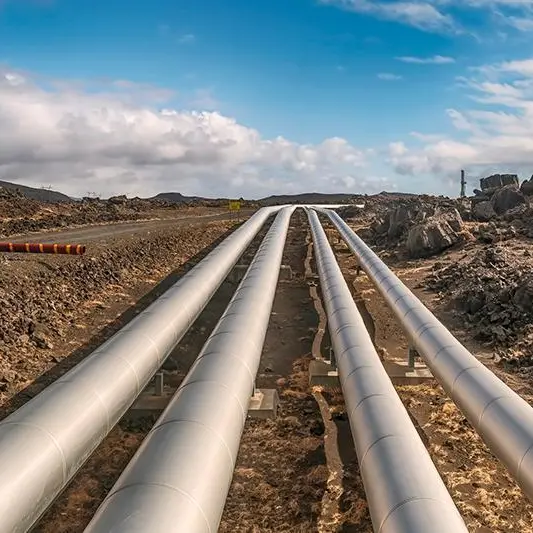
The authority’s drainage system is supported by an extensive network of treatment plants, pumping stations, and pipelines that enable the collection, treatment, transport, and reuse of wastewater across the country. The current infrastructure includes eight wastewater treatment plants, 13 treated sewage effluent (TSE) pumping stations, 71 ground and surface water pumping stations, and 120 foul sewer pumping stations.
Asghal also reported that Qatar’s drainage infrastructure now comprises 3,326 kilometres of sewage networks, 2,084 kilometres of treated water distribution networks, 494 kilometres of rising main pipelines, and 911 kilometres of house connection networks.
In addition, the nationwide drainage system includes 165,924 surface water gullies and 79,348 drainage manholes, providing extensive coverage to efficiently manage wastewater and stormwater across urban areas.
By maximizing wastewater reuse, expanding drainage infrastructure, and strengthening water management systems, Asghal continues to play a central role in advancing Qatar’s environmental sustainability objectives, improving urban resilience, increasing green spaces, supporting agricultural activities, and safeguarding valuable freshwater resources.
© Dar Al Sharq Press, Printing and Distribution. All Rights Reserved. Provided by SyndiGate Media Inc. (Syndigate.info).