PHOTO
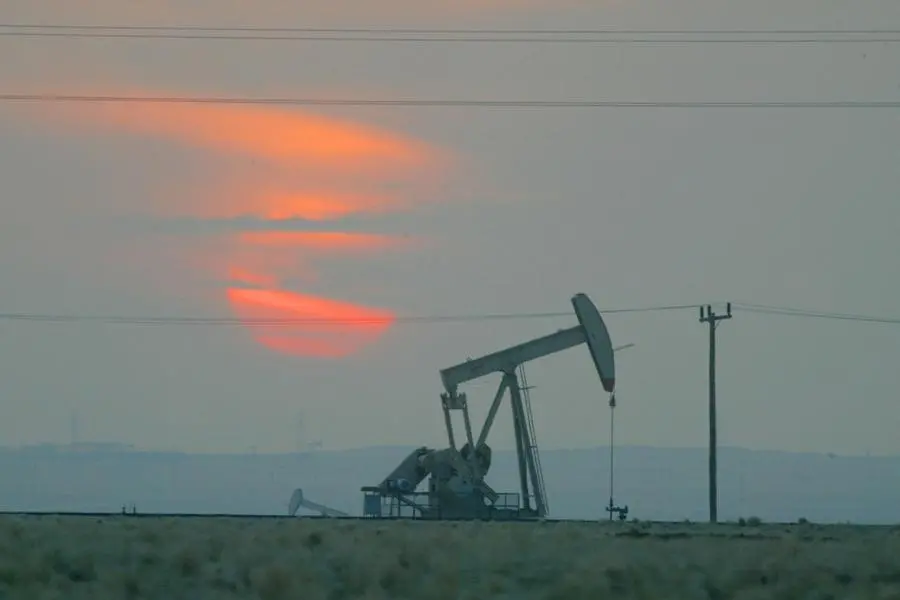
KUWAIT CITY - In view of the recent announcement of Kuwait Oil Company (KOC) CEO Ahmed Al-Eidan regarding the ongoing talks with international companies to explore shale oil, sources close to the company revealed to the newspaper the main reasons behind the decision to invite major international firms for shale oil exploration as follows: - Diversify production sources by including shale oil among Kuwait’s crude oil resources, thus, reducing reliance on traditional onshore and offshore explorations.
This is important since Kuwait Petroleum Corporation (KPC) aims to reach a production capacity of four million barrels of oil per day by 2035. - Reduction of shale oil exploration costs to below $30 per barrel in recent years.
Previously, the cost of a barrel of shale oil ranged between $80 and $90, so KOC and most other international companies were not interested in shale oil due to the exorbitant costs, sometimes exceeding the price of a barrel of oil announced by OPEC+.
However, the decline in the cost of extracting a barrel of shale oil has whetted the appetite of international oil companies for shale oil and gas. - Ability of international companies to extract shale oil. Previously, this required complex drilling rigs and sophisticated technology, but the digital transformation in the oil industry played a vital role in exploring even the most challenging reservoirs.
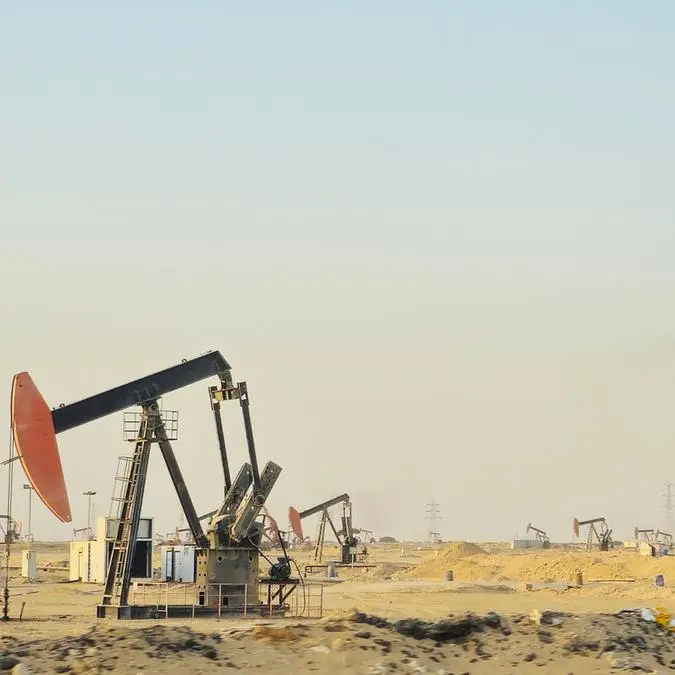
Artificial intelligence technology, in particular, has the capacity to analyze data and address the difficulties and challenges in drilling and exploration operations for oil and gas, especially shale oil. - The need to compensate the decline in production from fields like Burgan, which witnessed a drop in output.
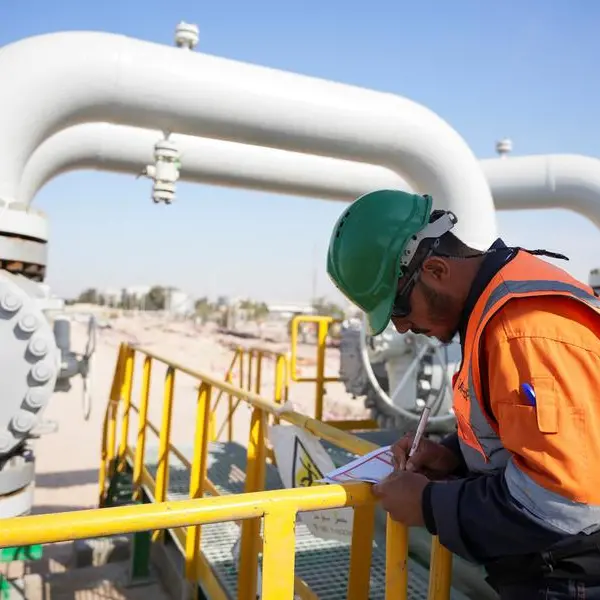
KOC is currently exploring all possible avenues to address the shortfall in production from conventional reservoirs, with shale oil being the main focus. - Availability of safety and security measures and the avoidance of environmental risks. Modern shale oil exploration technologies now offer significant protection for workers, especially since handling hydraulic fracturing equipment and using multi-head drills previously posed considerable danger. Regarding environmental risks, the digital age, including artificial intelligence, enabled global companies to predict the hazards resulting from harmful substances emitted by shale oil, such as toxic hydrogen sulfide gas.
Furthermore, KOC’s current reliance on a high-quality, high-capacity pipeline network allows future connection to shale oil production areas, thereby, reducing the need for conventional oil pipelines. Sources revealed that several years ago, KOC, through Shell, conducted field feasibility studies on shale oil. Surface tests confirmed the presence of oil and gas in Kuwaiti shale formations. However, shale oil extraction was postponed until the need arose, particularly since conventional fields were performing at peak capacity without any decline.
Sources said around 45 countries showed interest in shale oil in recent years, indicating that the United States of America is a leader in the field of shale oil, as its daily production rate of shale oil has reached more than 13 million barrels per day. Sources added that the Kingdom of Saudi Arabia discovered the Jafurah field in 2014 -- the largest shale gas field in the Arab and Gulf region, as its reserves are estimated at 230 trillion cubic feet of gas and more than 75 billion barrels of condensates.
Arab Times | © Copyright 2026, All Rights Reserved Provided by SyndiGate Media Inc. (Syndigate.info).