PHOTO
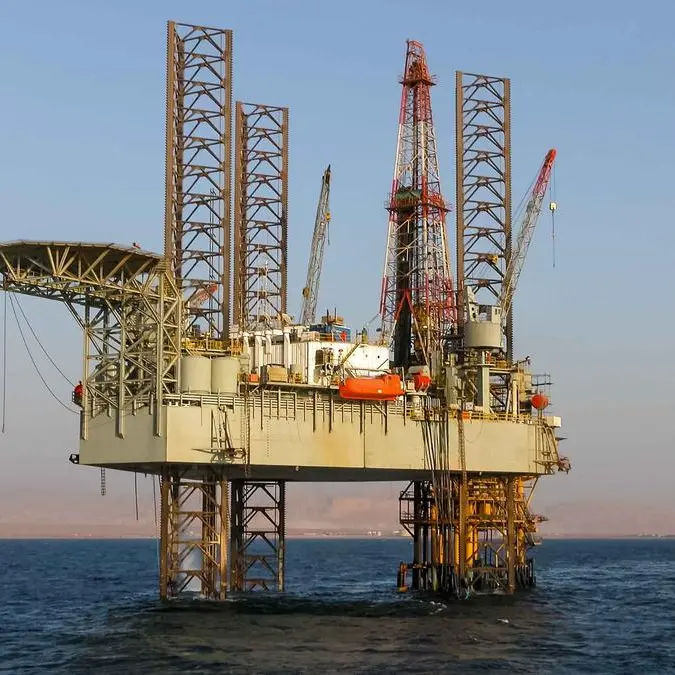
OPEC member Iraq has reached a preliminary agreement with Qatar and Oman to supply it with liquefied natural gas (LNG) after a deal with Turkmenistan bogged down because of objections by the U.S., an Iraqi official told Iraq’s Shafaq News Agency this week.
Supplies from the two Gulf countries could start arriving at offshore terminals in summer 2026, said Electricity Ministry spokesperson Ahmed Mousa.
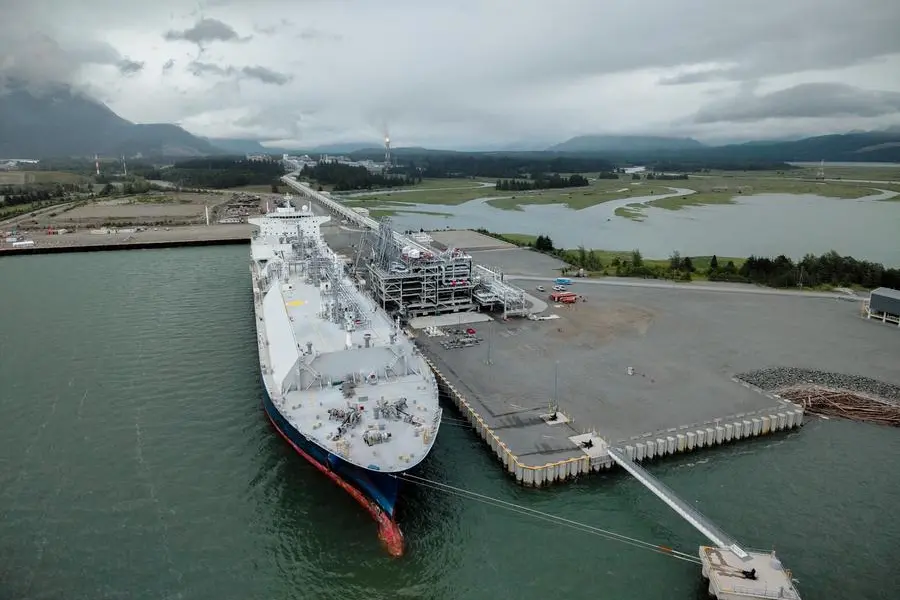
“There are several other alternatives to get gas, including the installation of offshore LNG import terminals in Umm Qasr and other southern Iraqi ports, which will be operational by next summer.”
“We are working on this project as we have reached an understanding with Qatar and Oman to supply Iraq with LNG until it becomes self-sufficient in gas,” he added.
The US Excelerate Energy company said last week it has signed an agremenet for the installation of a floating terminal for the import of LNG in Iraq.
In 2024, Iraq had signed a memorandum of understanding with Turkmenistan for the supply of 20 million cubic metres of gas per day to power its electricity plants following a sharp decline in gas imports from neighboring Iran.
However, last month, officials said that the US opposed the MoU because gas has to be supplied through Iran’s pipeline network and that Tehran would be offered 20 percent of the gas for its own power facilities.
Likewise, Baghdad has also been involved in talks with Washington to drop its opposition on the grounds it is not breaking US sanctions on Tehran.
Iraq, OPEC’s second-largest oil producer after Saudi Arabia, is suffering from a power supply shortage of more than 10 gigawatts (GW) because of gas supply disruptions.
However, Nabil Al-Marsoumi, an economics and energy professor at Basra University said, “I don’t think Iraq will be able to dispose of Iranian gas completely for the time being.“
“The re-gasification units and import terminals will take a long time to be installed…without gas from Turkmenistan, I believe these terminals do not have the capacity to allow Iraq to dispose of Iranian gas,” he told Zawya Projects.
(Reporting by N Saaed; Editing by Sona Nambiar)
Subscribe to our Projects' PULSE newsletter that brings you trustworthy news, updates and insights on project activities, developments, and partnerships across sectors in the Middle East and Africa.