PHOTO
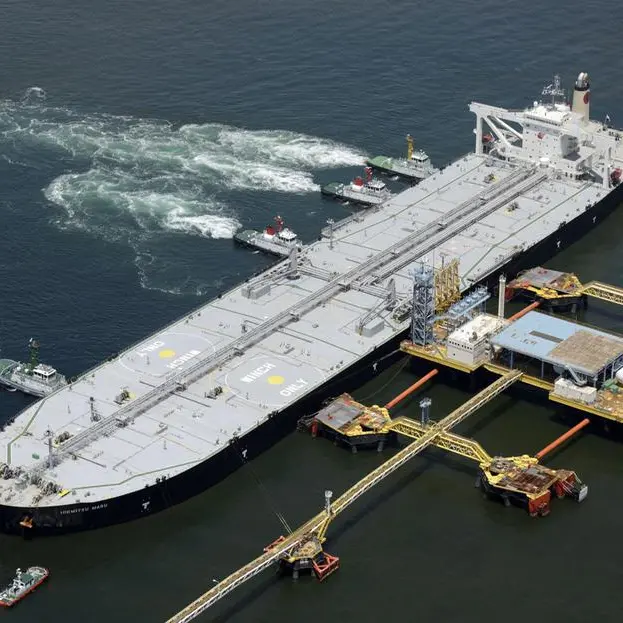
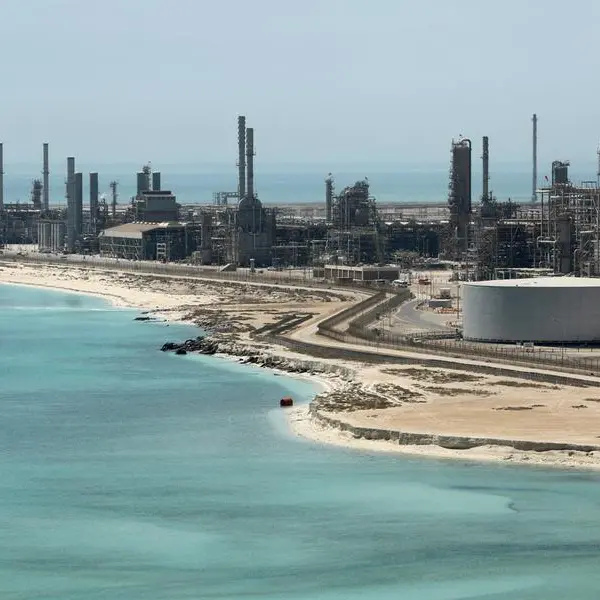
Iraq this week sent hundreds of crude-laden tankers by land from its Southern oilfields to the North for export to Europe via Turkey as the Strait of Hormuz remained blocked.
Oil officials said nearly 90,000 barrels were sent from the Southern port of Basra aboard more than 400 tankers to Kirkuk, where they will be exported via a pipeline stretching 970 kilometres to Ceyhan in Turkey.
With that pipeline back in operation despite Iranian drone and missile attacks on the area, Iraq will be able to export nearly 340,000 barrels per day (bpd).
“The quantity could be increased later although it is a slow process given the long distance between Basra and Kirkuk,” Nabil Al-Marsoomi, an economics and energy professor at Al-Maqam University in Basra, told Zawya Projects.
Iraq’s Shafaq News Agency quoted an unnamed official in the state-owned North Oil Company as saying more tankers would be loaded in Basra and sent to Kirkuk within plans to boost crude exports and offset the halt of supplies through Hormuz.
Last week, officials said more than 150 tankers loaded with fuel oil were sent to Syria where they will be loaded onto tankers in the Western Mediterranean port of Baniyas for export to the global market.
They said the number would reach 500 tankers a day in the next few days and that part of the exports would be sold in the Syrian market.
Iraq decided to export oil through neighbouring Syria by land for the first time after its crude exports of 3.4 million bpd came to a standstill due to the closure of Hormuz, the only access to global markets for oil exports from its southern oilfields.
The closure of Hormuz by Iran has inflicted heavy losses on Iraq, OPEC’s second largest oil producer, prompting it to re-open the Northern Kirkuk-Ceyhan pipeline, through which it exports nearly 250,000 bpd through Turkey.
On Tuesday, Zawya Projects had reported that Iraq approved the bid process for the $4.6 billion Basra–Haditha oil pipeline project as an alternative export route to the Strait of Hormuz.
Federal budget under pressure
In February, Iraq earned nearly $8 billion from oil exports, which provide the bulk of its national income. Officials said revenues dipped to just under $2 billion in March.
Iraq’s budget is heavily reliant on crude exports and this has made it highly vulnerable to changes in oil prices and the country’s production.
An Iraq official warned last year that the budget deficit in 2025 could widen due to a decline in oil prices below the $70 assumed by the Finance Ministry.
Mudhar Saleh, a financial adviser to the Prime Minister, said spending is projected at 200 trillion Iraqi dinars ($153 billion), equivalent to the 2024 budget.
He said current expenditures, which comprise salaries to public servants and social security allocations, is expected to account for 68-70 percent of the total spending.
“The deficit in the 2025 budget is expected at around IQD 64 trillion …it will be financed through domestic sources…it could rise in case oil prices remain below $70 a barrel and Iraq’s crude exports fall below 3.4 million bpd,” he said.
(Reporting by N Saeed; Editing by Anoop Menon)
Subscribe to our Projects' PULSE newsletter that brings you trustworthy news, updates and insights on project activities, developments, and partnerships across sectors in the Middle East and Africa.