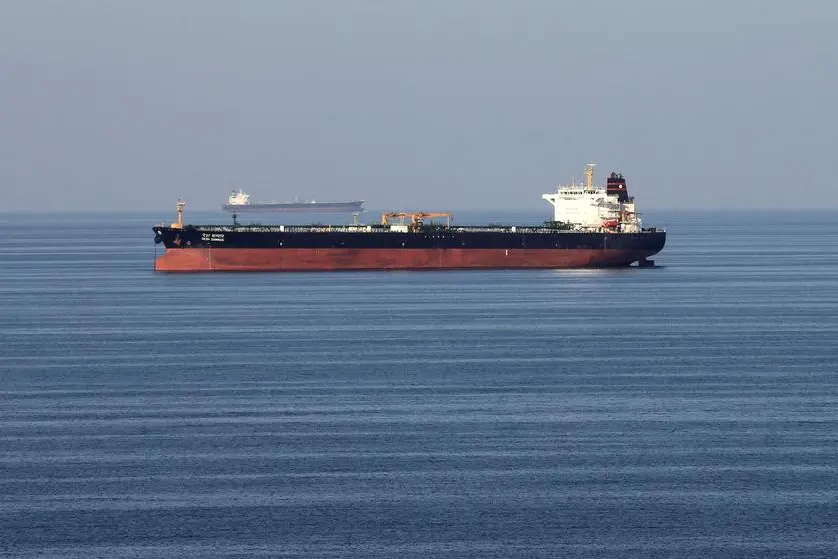
PHOTO
Iran is highly unlikely to close Hormuz Straits unless the country’s critical oil export infrastructure is directly targeted, according to analysts.
The Gulf country, which controls the world’s fourth largest recoverable oil deposits and second gas reserves, will not “slaughter the hen that lays gold eggs,” wrote Nabil Al-Marsoumi, an energy and economics professor at Basra University in South Iraq in a Facebook post.
“It will not even try to shut Hormuz because it will the first one to be affected...but it could try to do so if it is deprived of exporting its oil in case its oil facilities on Kharg are attacked... in this case, Iran will attempt to close Hormuz to deprive other countries of exporting their crude,” Marsoumi said.
More than 16 million barrels per day of crude from Iran and other Gulf producers pass daily through the Hormuz, which is only around 35 kilometres wide. The narrow waterway is a vital outlet for commercial trade and shipping for the region that controls nearly half the world’s proven oil deposits and a quarter of the gas resources.
“Iran benefits more than most regional countries from an open Hormuz...and it will suffer more than others from a closed Hormuz,” said Jamal Banoun, a Saudi analyst who heads the Riyadh-based SMC consultancy centre.
“This is the main reason why Iran has never carried out its threats to shut the Straits...but it might to do so in case it is completely deprived from exporting oil...this may happen its Kharg terminal is struck and crippled,” he told Zawya Projects.
Kharg Island, located in the northern Gulf near Bushehr, handles over 90 per cent of Iran’s crude oil exports, making it the most important single piece of infrastructure in the Iranian economy.
First constructed in the 1950s and reconstructed after extensive bombing during the Iran–Iraq War, the terminal boasts massive storage capacity of 28 million barrels and loading infrastructure capable of handling VLCCs and ULCCs.
The island remained untouched during recent Iran-Israel conflict despite damage to other Iranian energy assets including the Shahran fuel depot, Shahr Rey refinery, and parts of South Pars, the world’s largest gas field.
The US has reportedly warned Israel and other allies against escalating the conflict to that level.
The closure of Hormuz would affect Kuwait, Qatar, Iraq and Iran most as Saudi Arabia and the UAE have developed alternative pipeline routes in recent years to mitigate this risk.
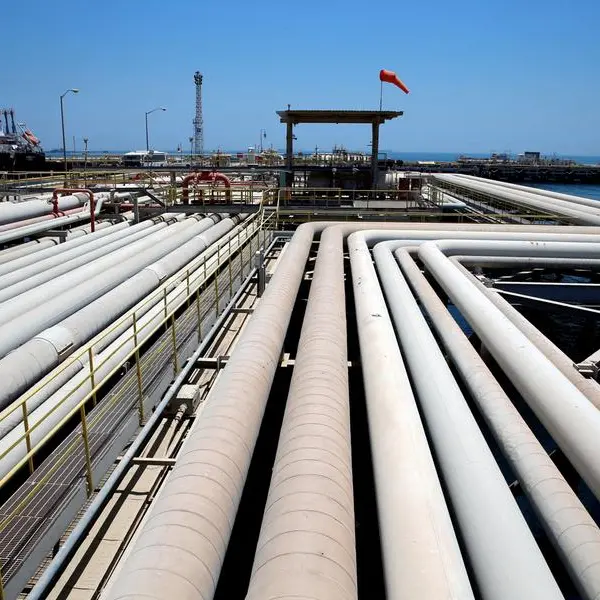
The Saudi pipeline stretches from the Kingdom’s East to the Western Red Sea ports and has a capacity to transport around five million barrels per day (bpd), nearly two thirds of its total crude exports, according to a Saudi energy analyst.
“I believe Saudi Arabia enjoys great flexibility to deal with emergency situations such as the closure of Hormuz…it has an East-West pipeline that can carry five million bpd and this provides it with a safe alternative for its crude exports,” said Fahd bin Jumma, a well-known energy expert and member of Shura (appointed parliament).
“The Kingdom also has large floating and onshore crude stocks in China, Japan and other countries…this bolsters its ability to meet demand even in emergency,” Jumma told the Saudi Al-Arabiya news TV channel.
The UAE, another major OPEC oil producer, has also built a 400-km pipeline from Abu Dhabi to the Eastern port of Fujairah outside Hormuz. The $3.3-billion pipeline was commissioned in 2012 and has a capacity of 1.8 million bpd, covering more than 60 percent of its crude exports.
(Reporting by Nadim Kawach; Editing by Anoop Menon)
Subscribe to our Projects' PULSE newsletter that brings you trustworthy news, updates and insights on project activities, developments, and partnerships across sectors in the Middle East and Africa.