PHOTO
Hong Kong is aiming for global leadership in green finance and financial innovation as it seeks to bridge the widening climate investment gap facing emerging economies, according to a top government official.
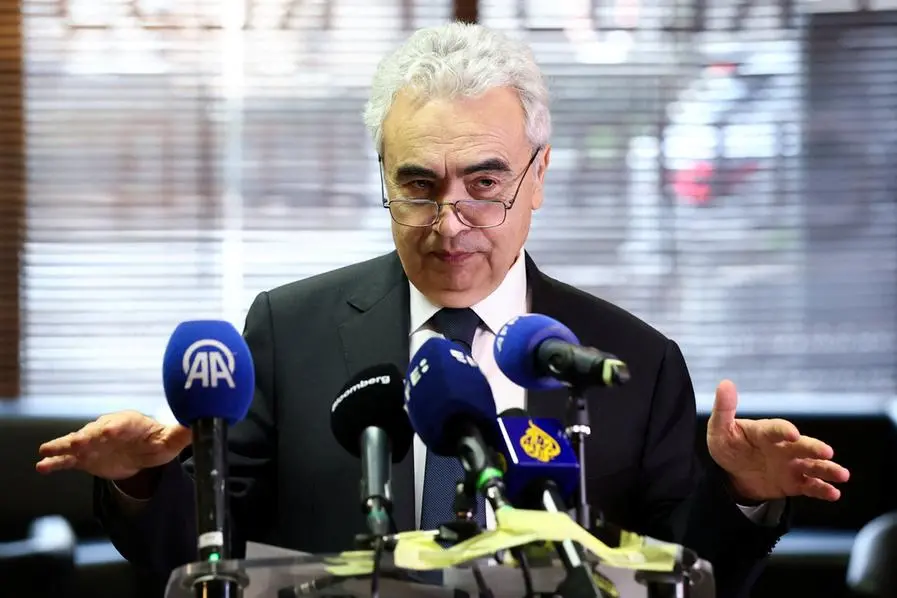
Speaking at the 10th Belt and Road Forum in Hong Kong on Wednesday, HKSAR Financial Secretary, Paul Chan said in 2024, the city recorded over $80 billion in sustainable debt issuances (bonds and loans), with green bonds alone accounting for 45 percent of the total Asian market. In the first half of this year, sustainable debts issuances rose 15 percent year on year to cross $34 billion.
Chan noted that Hong Kong is also strengthening its position in ESG investing, with over 200 SFC-authorised funds managing more than $140 billion in assets—a growth of over 30 percent in just three years.
“We need to mobilise capital more effectively for sustainable investments,” he emphasised, citing a staggering 70 percent shortfall against the $1.3 trillion in annual funding required by emerging and developing countries for climate mitigation and adaptation.
The city is also deploying innovative financial instruments to address climate and infrastructure financing gaps, especially in emerging markets. Among them are catastrophe bonds, which Chan described as “valuable risk transfer insurance” for countries vulnerable to natural disasters.
Since 2021, seven catastrophe bonds have been issued in Hong Kong, totalling $800 million, supporting countries across Asia and the Americas in sharing risks from typhoons and earthquakes with climate investors.
Another innovation is securitisation of infrastructure, which helps transform brownfield infrastructure assets into investable products to unlock capital for new greenfield projects.
Hong Kong Mortgage Corporation (HKMC) has led this space with two issuances of infrastructure loan-backed securities (ILBS) covering 35 projects across 16 countries, with a combined value exceeding $800 million.
“This model has mobilised private capital for green initiatives in emerging markets, while unleashing the investment potential of their infrastructure assets,” said Chan.
Hong Kong is also expanding its footprint in transition finance, aimed at helping high-emission industries decarbonise. A key enabler, Chan noted, is the development of clear and robust classification, reporting, and disclosure standards.
“To this end, we are working to expand the Hong Kong Taxonomy for Sustainable Finance to incorporate transition finance, broaden sectoral coverage and include climate adaptation activities,” he said.
Hong Kong is also advancing digital assets such as tokenised deposits and bonds to improve the efficiency of financial transactions.
“We have issued two tranches of tokenised green bonds worth 6.8 billion Hong Kong dollars, which were well received by the market, recognising the value and importance of digital currency for cross-border applications,” noted Chan.
He added that Hong Kong is an active participant in the mBridge project, a central bank digital currency initiative for cross-border settlements. It has also introduced licensing regimes for digital asset exchanges and stablecoins, balancing innovation with investor protection.
(Reporting by Anoop Menon; Editing by SA Kader)
Subscribe to our Projects' PULSE newsletter that brings you trustworthy news, updates and insights on project activities, developments, and partnerships across sectors in the Middle East and Africa.