UAE: The Telecommunications and Digital Government Regulatory Authority (TDRA) announced that the feature of displaying the name of the calling entity from private sector companies in the UAE will be officially and gradually implemented during the coming period. TDRA had started the test implementation of this feature last May to the banking sector, to be the first in the region to apply this feature.
Displaying the caller’s ID initiative, known as “Kashif” initiative, informs customers about the caller’s ID, even if the caller’s contact info is not saved on the phone. This feature, which was launched by TDRA in cooperation with the service providers, aims to reduce anonymous calls received by customers and provides the caller’s information to the recipient before answering the call.
TDRA indicated that it has issued legislation related to this feature, as part of the development system aimed at enhancing customers' confidence in calls received from private sector companies, thus, reducing the inconvenience caused by anonymous calls.
Commenting on the new feature, Eng. Saif Bin Ghelaita, Director of Technology Development Affairs at TDRA, said: “TDRA, based on the directives of the wise leadership, launches and implements initiatives aimed at enhancing customers’ confidence in the telecommunications sector services. Accordingly, we launched this feature that enables customers to identify the names of the calling parties, which allows them to decide whether they would like to answer the call. Moreover, it gives them a kind of reassurance when receiving the call and talking to the caller.”
Eng. Bin Ghelaita added: “TDRA chose to implement this feature after reviewing a number of projects and best practices, and worked during the testing period in cooperation with the service providers to identify solutions to technical challenges, and to make modifications to the service provider networks to fully activate the new feature.”
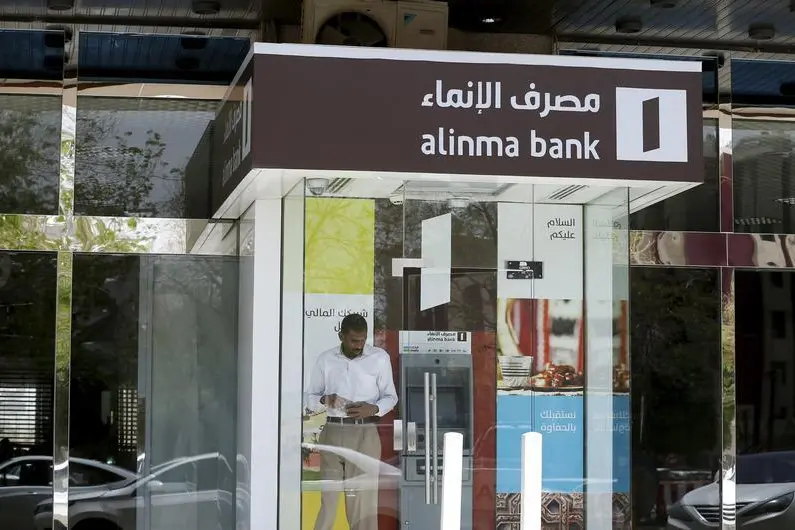
TDRA initiated the implementation of this feature with the banking sector, to be applied to the rest of the sectors such as health, hospitality, education and other sectors on a later stage. This feature will be applied to all private sector companies during 2022, and it will include fixed and mobile numbers registered under private sector companies.
TDRA emphasized that this feature is considered the first line of identifying the calling party, nevertheless, customers must abide by the directives of competent authorities regarding not revealing their personal information such as bank account number, PIN codes, passwords and others.
-Ends-
© Press Release 2022
Disclaimer: The contents of this press release was provided from an external third party provider. This website is not responsible for, and does not control, such external content. This content is provided on an “as is” and “as available” basis and has not been edited in any way. Neither this website nor our affiliates guarantee the accuracy of or endorse the views or opinions expressed in this press release.
The press release is provided for informational purposes only. The content does not provide tax, legal or investment advice or opinion regarding the suitability, value or profitability of any particular security, portfolio or investment strategy. Neither this website nor our affiliates shall be liable for any errors or inaccuracies in the content, or for any actions taken by you in reliance thereon. You expressly agree that your use of the information within this article is at your sole risk.
To the fullest extent permitted by applicable law, this website, its parent company, its subsidiaries, its affiliates and the respective shareholders, directors, officers, employees, agents, advertisers, content providers and licensors will not be liable (jointly or severally) to you for any direct, indirect, consequential, special, incidental, punitive or exemplary damages, including without limitation, lost profits, lost savings and lost revenues, whether in negligence, tort, contract or any other theory of liability, even if the parties have been advised of the possibility or could have foreseen any such damages.