PHOTO
- The UAE ranked 2nd overall in the Global Islamic Economy Indicator (GIEI), moving up from 4th place.
- The UAE ranked within the top 3 across all GIEI sectors and placed 1st in media and recreation.
- Global Islamic Economy consumer spending reached US$ 2.60 trillion in 2024, with halal food and beverages having the highest share at US$ 1.53 trillion and projected to reach US$ 2.06 trillion by 2029.
- Islamic finance assets reached US$ 5.99 trillion in 2024 and are forecast to grow to US$ 9.72 trillion by 2029.
- DinarStandard’s consumer sentiment analysis tracked over 86 million social media engagements showing that values-driven consumer activism has moved beyond boycott spikes into sustained support for ethical, local, and alternative brands.
- Key opportunity signals include sovereign halal value chains, AI-enabled halal certification, Shariah-compliant digital finance, pilgrimage digitization, localized halal production, halal pharmaceuticals, clean-label cosmetics, and Islamic-themed media and entertainment.
The world’s two billion Muslims spent US$ 2.6 trillion in 2024 across six core Islamic economy sectors: halal food, pharmaceuticals, cosmetics, modest fashion, Muslim-friendly travel, and media and recreation, according to the State of the Global Islamic Economy Report 2025/26, produced by DinarStandard.
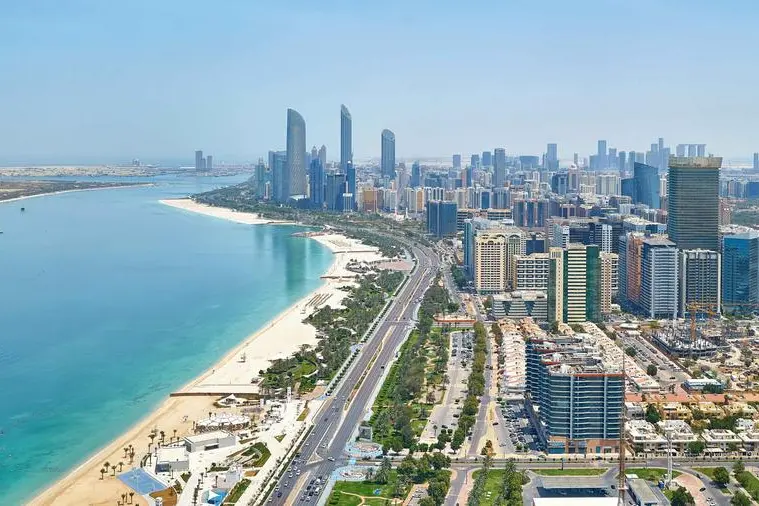
The UAE ranked 2nd overall in the Global Islamic Economy Indicator (GIEI), moving up from 4th place in both 2024 and 2023. The UAE ranked within the top 3 across all sectors, placing 1st in media and recreation, 2nd in halal food, Muslim-friendly travel, modest fashion, and halal pharmaceuticals and cosmetics, and 3rd in Islamic finance.
The UAE’s position in the Global Islamic Economy Indicator reflects its role as the region’s primary capital, trade, and deal-making hub within the Islamic economy. The UAE retained its status as the most active investment destination by volume, recording 94 transactions across venture capital, private equity, and M&A, reinforcing its role as a platform for Islamic finance, technology, and consumer-facing halal ventures.
This is further supported by the UAE recording the second-highest FDI inflows among OIC countries at US$ 45.6 billion, equivalent to 5.24% of GDP, underscoring its position as a gateway for regional and cross-border capital flows. In trade, the UAE ranked as the seventh-largest exporter to OIC markets, with export growth of 7.83% between 2023 and 2024, reflecting sustained integration into halal supply chains.
The State of the Global Islamic Economy Report 2025/26 was released at an event hosted by the Investment and Finance Office of the Presidency of the Republic of Türkiye (CBYFO), at the Ibn Haldun University (IHU), in Istanbul, Türkiye.
The report forecasts the Global Islamic Economy spending to reach US$ 3.56 trillion by 2029, reflecting a 6.5% CAGR, while Islamic finance assets reached US$ 5.99 trillion in 2024 and are projected to grow to US$ 9.72 trillion by 2029.
The next phase of growth is framed as sovereignty-building: the strengthening of halal value chains, certification standards, local and regional production, Islamic finance infrastructure, digital platforms, and consumer trust to reduce dependency and build long-term market advantage.
The Report’s national benchmarking Global Islamic Economy Indicator (GIEI) ranked Malaysia #1, followed by the UAE, Saudi Arabia, Indonesia, and Bahrain. The rankings underscore the importance of national ecosystems that combine regulation, finance, trade, innovation, and sector development. The UAE’s position reflects the growing role of logistics, trade, and digital infrastructure, while Saudi Arabia and Indonesia continue to advance through Islamic finance, halal production, Muslim-friendly travel, and national halal ecosystem development.
Investment activity in Islamic economy-relevant companies reached US$ 13.1 billion across 346 deals in 2024/25. Islamic finance represented the largest share of capital, followed by halal food, media and recreation, Muslim-friendly travel, and halal pharmaceuticals. The leading countries by total deal value were Saudi Arabia, the UAE, Indonesia, Azerbaijan, and Türkiye, reflecting deeper capital flows into both consumer-facing businesses and the infrastructure underpinning the Islamic economy.
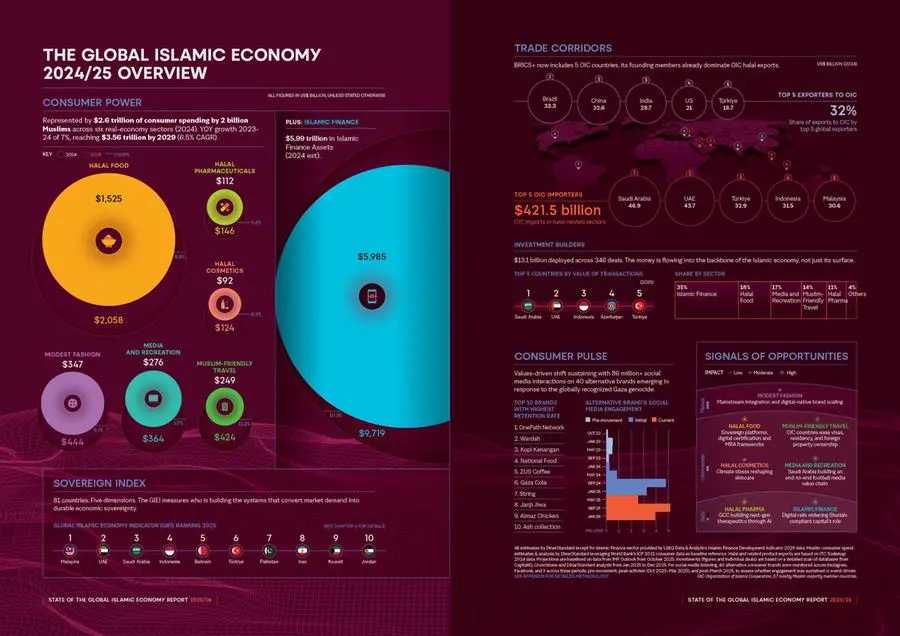
Halal food remains the largest Islamic economy sector, with Muslim consumer spending reaching US$ 1.53 trillion in 2024 and projected to grow to US$ 2.06 trillion by 2029. Muslim-friendly travel is the fastest-growing consumer sector, rising from US$ 249 billion in 2024 to a projected US$ 424 billion by 2029, supported by post-pandemic travel recovery, faith-conscious infrastructure, and stronger destination competition for Muslim travelers.
OIC imports across halal-related sectors reached US$ 421.5 billion in 2024, highlighting both the scale of demand and the need for stronger intra-OIC production capacity. Saudi Arabia, the UAE, Türkiye, Indonesia, and Malaysia were the top five OIC importers. Brazil, China, India, the US, and Türkiye were the top five exporters to OIC markets, together accounting for 32% of exports.
The report also captures a sustained shift in Muslim consumer sentiment. DinarStandard’s social media listening analysis tracked over 86 million engagements, across pre-movement, peak-movement, and current phases. The findings show that values-driven purchasing behavior has outlasted the initial boycott surge, with continued consumer engagement around ethical, local, and alternative brands across food and beverage, cosmetics, fashion, technology, and media.
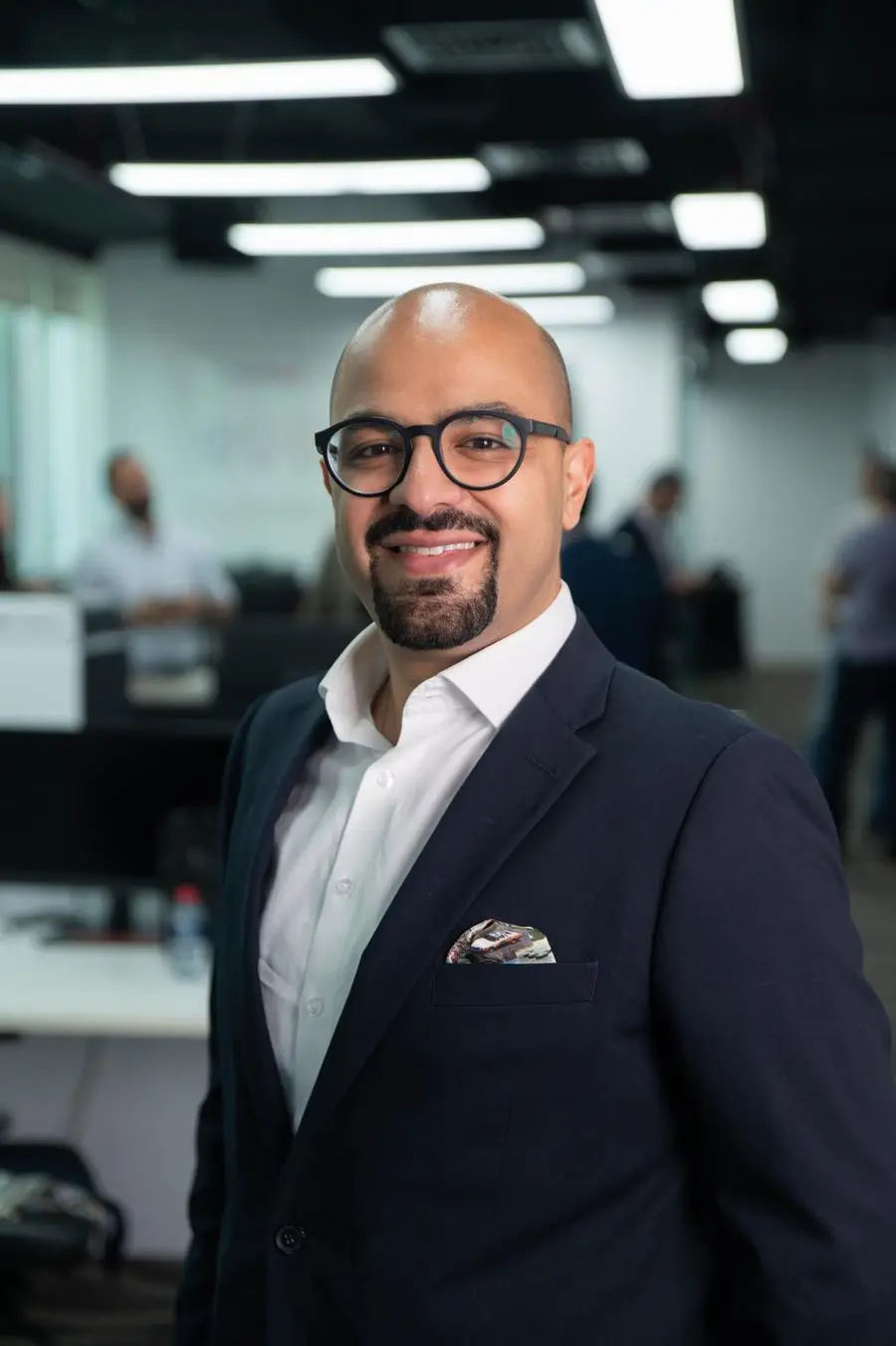
Rafiuddin Shikoh, CEO and Managing Partner of DinarStandard, said: “The Islamic economy is no longer an emerging idea. It is an emerging system. What we are documenting this year is a global consumer and investor base increasingly acting on the conviction that economic life must align with moral life. The next wave of Islamic economy growth will be led by those who can convert market demand into systems, standards, trust infrastructure, and institutions that reduce dependence while widening opportunity.”
The SGIE report 2025/26 highlights opportunity signals across all major sectors, including AI-enabled halal certification, blockchain-enabled traceability, digital Islamic finance, sovereign travel platforms, pilgrimage digitization, halal pharmaceuticals, clean-label cosmetics, digital-native modest fashion, and culturally aligned media and recreation. Together, these signals point to an Islamic economy that is no longer growing only because Muslim demand is rising, but because the systems needed to serve that demand are being built more intentionally.
The State of the Global Islamic Economy Report 2025/26 has been produced by DinarStandard,
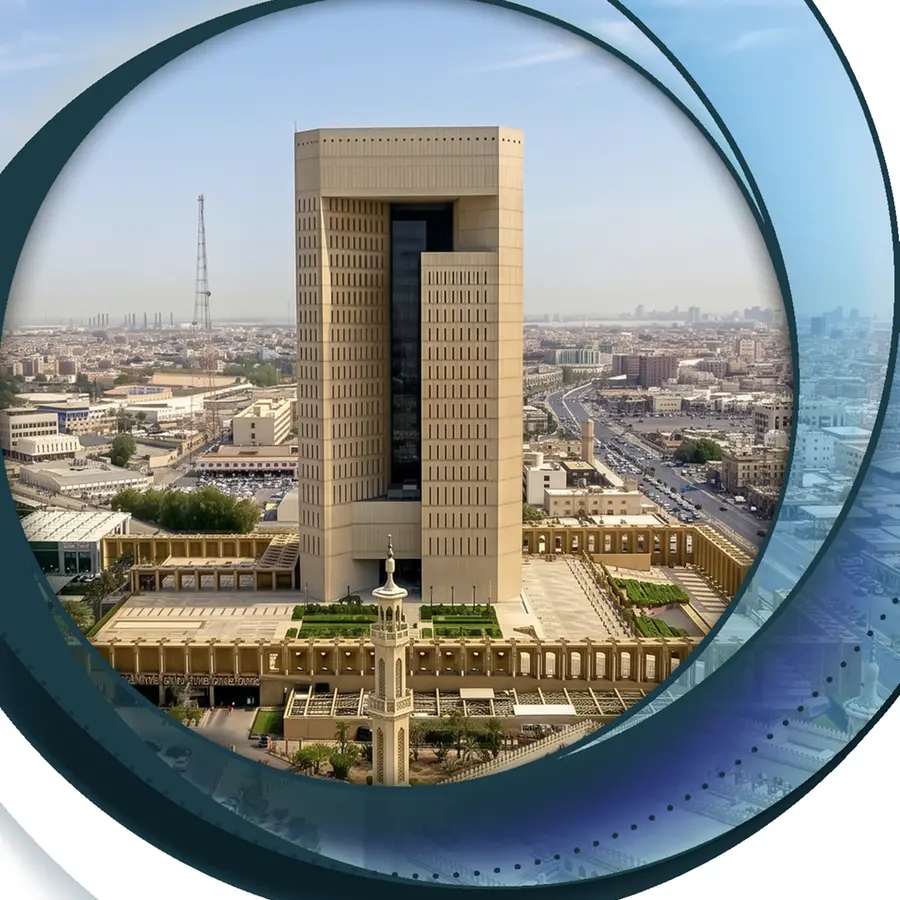
in partnership with SalaamGateway.com, the largest Islamic economy news and media platform. The thought leadership partner of the report is IsDBI. The global strategic partner of the report is halal certifier IFANCA.
The Executive Summary is available for free download at: www.salaamgateway.com/specialcoverage/SGIE25-26
Note to Editor: you may download high-resolution images, including report infographics and the report Executive Summary from: https://salaamgateway.com/specialcoverage/SGIE25-26
About DinarStandard
DinarStandard™ is a growth strategy research and advisory firm specializing in the halal and ethical economy, government innovation, and social impact sectors. Since 2008, DinarStandard has supported government entities, investment institutions, industry leaders, and multilaterals across global markets. Its work is rooted in original facts, foresight-driven strategy, and responsible impact.
Media Contact
Reem El Shafaki
DinarStandard
Email: reem.elshafaki@dinarstandard.com