PHOTO
DUBAI – The General Authority of Islamic Affairs, Endowments and Zakat, in collaboration with the UAE’s Artificial Intelligence, Digital Economy and Remote Work Applications Office, has launched the first specialized training workshops on artificial intelligence aimed at professionals involved in religious discourse.
This initiative comes as part of a national strategic program launched in partnership with leading global technology companies in the field. It aims to train more than 5,000 imams, preachers, muftis, and religious speakers, in alignment with the objectives of the UAE Artificial Intelligence Strategy 2031, while strengthening the integration of roles between religious institutions and entities shaping the country’s digital future.
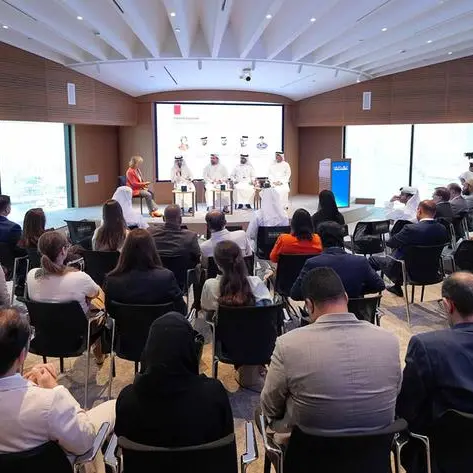
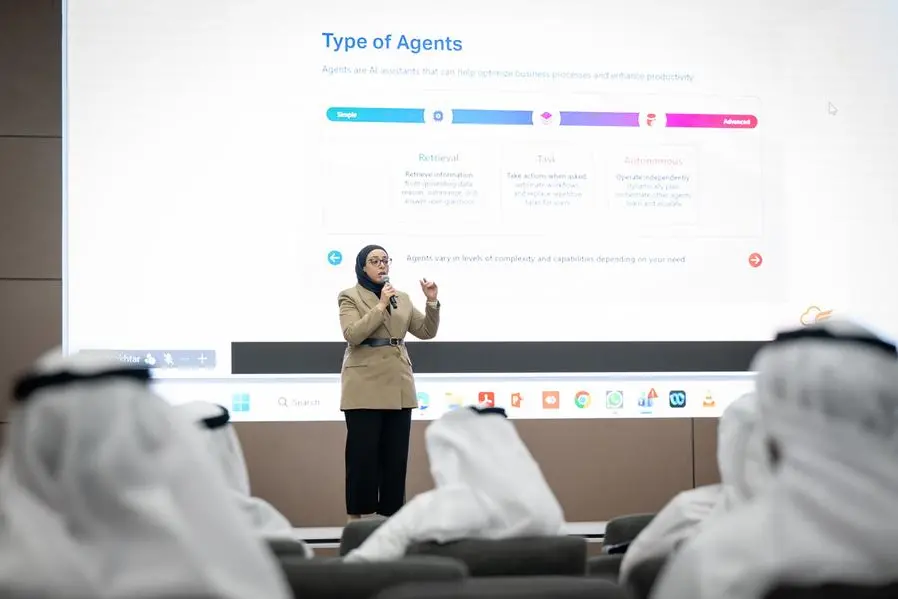
The workshop, attended by more than 600 participants both in person and virtually, aimed to equip participants with foundational knowledge and practical concepts related to AI technologies. It also emphasized principles of responsible and ethical AI use, while exploring opportunities and challenges associated with applying these technologies within their professional roles. The initiative reflects the UAE government’s proactive approach to accelerating the adoption of smart solutions, enhancing the readiness of national talent, and building an integrated knowledge ecosystem capable of keeping pace with rapid technological advancements through specialized and sustainable training programs for those engaged in religious discourse.
The workshop focused on introducing participants to key artificial intelligence technologies offered by Microsoft, showcasing their practical applications in the workplace. It also highlighted advanced tools such as Microsoft Copilot, explaining how they can be utilized for content creation, research and analysis support, and information organization.
The workshop was hosted at Mohammed Bin Zayed University for Humanities, as part of collaborative efforts between government and academic institutions to support the digital transformation journey, strengthen institutional readiness for adopting AI technologies in service of society, and promote a culture of innovation within the government work environment.