PHOTO
- Comprehensive guide outlining technical standards and health and safety requirements for drinking water coolers in public spaces
- Proactive risk management approach to reduce incidents and ensure compliance across installation, operation, and maintenance
- Raises awareness among owners and operators on electrical safety, water quality, food safety, and resource efficiency
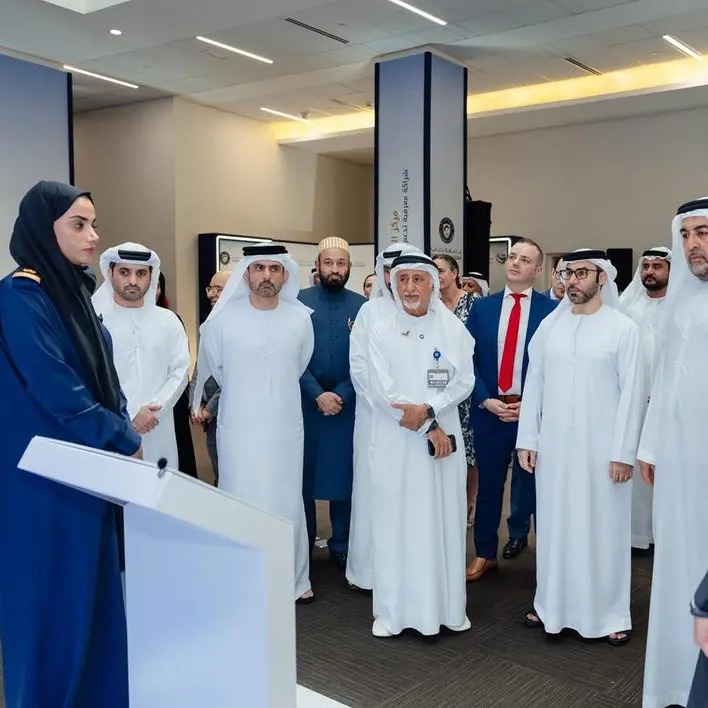
Dubai, United Arab Emirates: Dubai Municipality has launched a technical guidance document outlining health and safety requirements for drinking water coolers and Al Sabeel refrigerators in public spaces across the emirate. The guide sets out key standards and essential requirements to safeguard water and food quality, ensure equipment safety, and support a proactive approach to managing public health risks.
The initiative forms part of Dubai Municipality’s ongoing efforts to strengthen public health and safety systems through the adoption of best practices and a prevention-led approach to risk management. The guide aims to support compliance with approved requirements across the installation, operation, and maintenance of drinking water coolers and refrigeration units in public areas, helping to mitigate potential risks before they occur.
The guide also seeks to raise awareness among owners, operators, and relevant personnel on key risks associated with such equipment, including electrical hazards, water contamination, food safety requirements, and public hygiene standards. It further emphasises the importance of maintaining the overall appearance and functionality of public facilities, supporting consistent service delivery in line with applicable regulations across the emirate.
Dr Naseem Mohammed Rafee, Acting CEO of the Environment, Health and Safety Agency at Dubai Municipality, said: “Through this guide, Dubai Municipality is establishing a clear and structured framework that supports owners and operators in complying with technical requirements and strengthens their ability to manage risks effectively. This contributes to enhancing user safety, maintaining service quality, and safeguarding public health, while supporting improved resource efficiency and reducing water and food waste.”
The guide provides practical and implementable requirements to support installation, maintenance, and periodic monitoring, helping to reduce malfunctions, leakages, and resource wastage across water and energy systems. It also promotes electrical safety, public hygiene, and pest control, in line with Dubai’s broader priorities around sustainability, resource conservation, and operational efficiency.
Dubai Municipality calls on all owners and operators to review the guide and comply with its requirements and recommendations, reaffirming that health and safety is a shared responsibility. Maintaining a safe and well-managed urban environment depends on the collective commitment of all stakeholders, supporting Dubai’s continued progress as a city that enhances quality of life in a sustainable and responsible manner.