PHOTO
Abu Dhabi: The Abu Dhabi Judicial Department has proudly celebrated the graduation of the first cohort from its specialised training programme for certified private mediators in civil and commercial disputes. This pioneering initiative forms part of the Department’s strategic efforts to enhance alternative dispute resolution mechanisms and promote a culture of amicable settlement, aligning with Abu Dhabi’s vision for a progressive and investor-friendly legal environment.
The training programme supports the Department’s mission to offer effective dispute resolution without resorting to litigation, thereby contributing to the efficiency of the judicial system, fostering economic growth, and strengthening the emirate’s attractiveness to global investors.
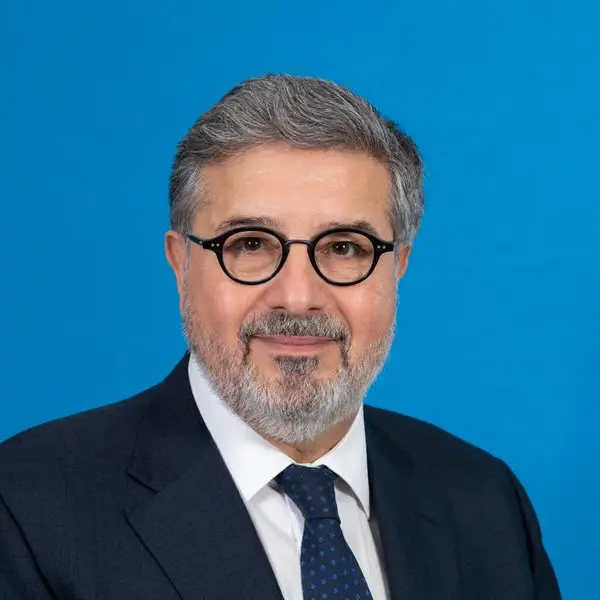
His Excellency Counselor Yousef Saeed Al Abri, Undersecretary of the Abu Dhabi Judicial Department, affirmed that the programme was delivered in line with the directives of His Highness Sheikh Mansour bin Zayed Al Nahyan, Vice President of the United Arab Emirates, Deputy Prime Minister, Chairman of the Presidential Court, Chairman of the Judicial Department in Abu Dhabi. His Excellency emphasised the Department’s continued commitment to developing legal and judicial competencies in accordance with the highest international standards.
"The training focused on equipping mediators with the latest principles and legal foundations in resolving civil and commercial disputes," said Al Abri. "It also enhanced their personal and professional capabilities through a balanced mix of theoretical learning and practical application, preparing them to draft legal agreements and lead effective mediation sessions."
The comprehensive programme, which graduated 21 mediators in its inaugural cohort, is part of the Department’s broader strategic initiatives to encourage innovation in judicial services, adopt advanced technologies, and empower the private sector to provide high-quality legal services in line with internationally recognised practices.
Over the course of 31 training sessions totalling 49 hours, participants explored the critical role of private mediation in supporting national economic goals and attracting investment. Key areas of focus included the stages of mediation, the importance of neutrality, confidentiality, and independence, as well as the civil and disciplinary responsibilities of mediators. The curriculum also provided an in-depth understanding of local and international mediation laws and enhanced participants’ communication skills with disputing parties.
Additional training modules covered the legal and procedural aspects of settlement agreements, the management of mediation sessions, drafting of legally sound agreements, and the correction of common errors in record-keeping. The programme also included practical case studies and guidance on the use of modern technology to conduct mediation remotely.