PHOTO
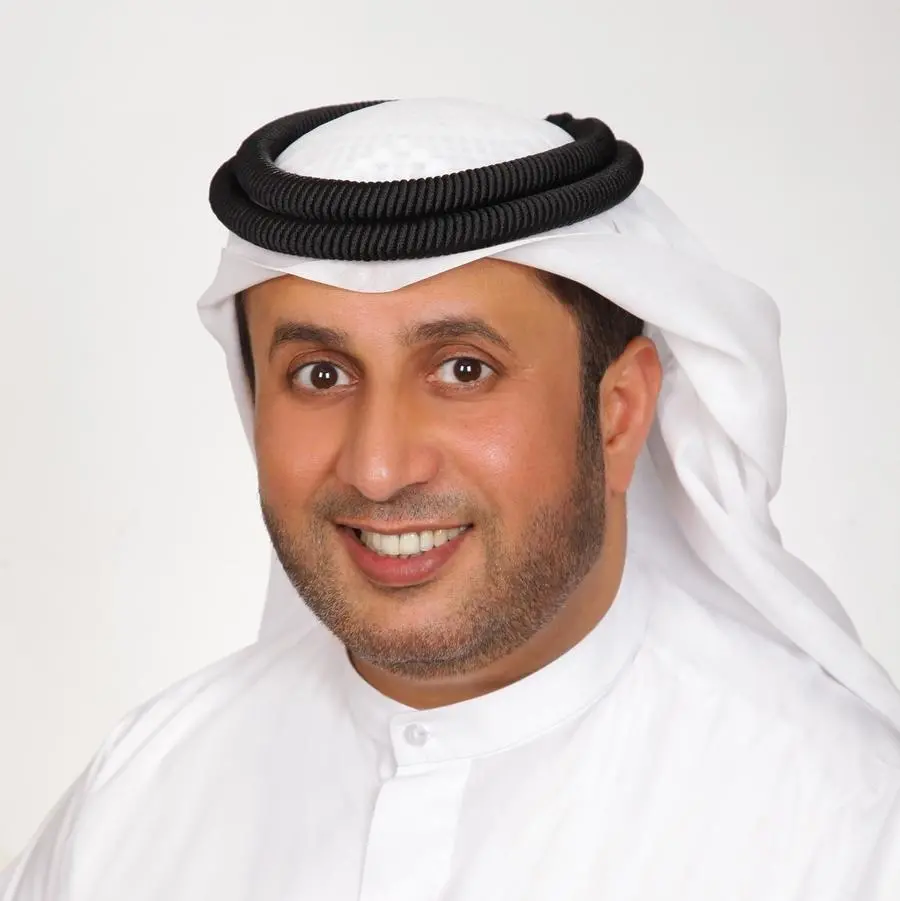
- Opening trading at the London Stock Exchange, the Special Envoy of the UAE Minister of Foreign Affairs for Business and Philanthropy delivered the keynote at the Giving and Impact Summit 2026, telling 140 leaders that the world faces “not a gap in capital — but a gap in impact.”
- He proposed that London and the UAE act as two trusted platforms to convene and coordinate giving across the world.
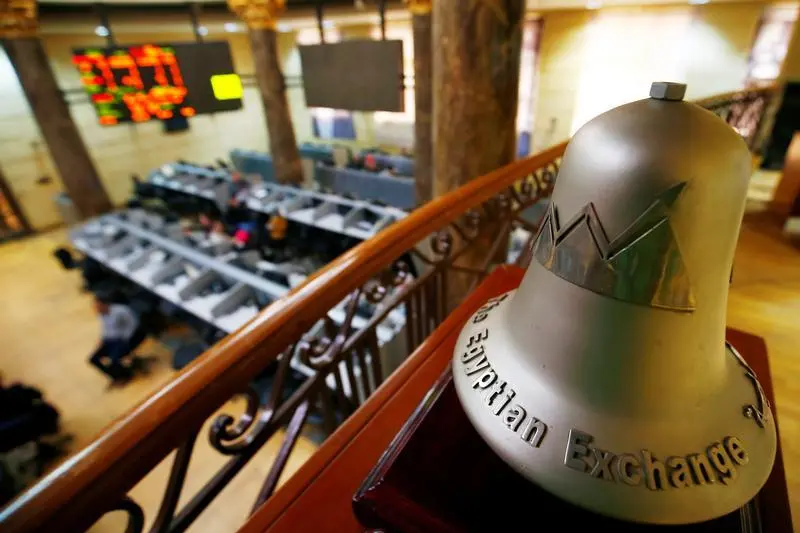
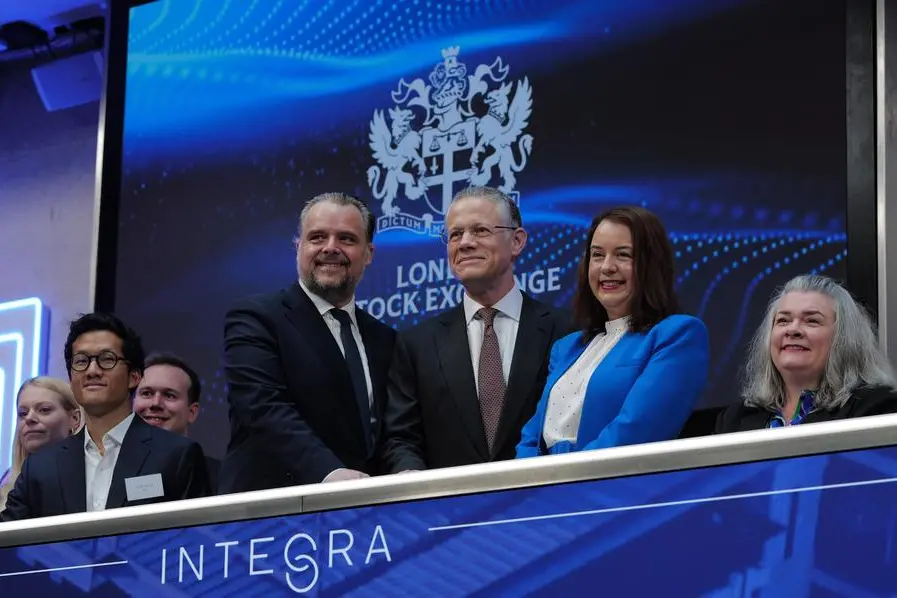
London — Opening trading at the London Stock Exchange, H.E. Badr Jafar, the Special Envoy of the UAE Minister of Foreign Affairs for Business and Philanthropy, rang the opening bell to mark the Giving and Impact Summit before delivering the event’s keynote address. More than 140 philanthropists, wealth advisers, foundation and charity leaders, policymakers and members of the media gathered at the Exchange for the summit to examine how to unlock greater and more effective philanthropic giving around the world.
Guests at the Exchange included Her Royal Highness Princess Beatrice, alongside leading philanthropists, foundation heads and advisers from across the UK and internationally. The Summit opened with remarks from Stephanie Peacock MP, the UK’s Minister for Civil Society, and Luke Manning, Head of the London Stock Exchange Foundation, and featured a keynote address from Sarah Brown, Chair of Theirworld. Speakers and panellists included Dame Julia Unwin, Dr Rasha Said of The Said Foundation, James Reed CBE of the Big Give, Philippe De Backer of KKR, Susannah Hardyman of Impetus, Daria Bukhman of Bukhman Philanthropies, Lisa Shu of Renaissance Philanthropy, Nitya Mohan Khemka of PATH, and representatives of the British Red Cross, with closing remarks delivered by Lord Karan Bilimoria CBE.
Addressing the gathering in the main hall in the London Stock Exchange, HE Badr Jafar argued that the defining challenge of modern philanthropy is no longer the supply of money, but the discipline with which it is deployed. The value of global giving, he noted, now approaches $2.5 trillion a year — close to 3% of the world’s economic output, and more generosity in absolute terms than at any point in human history. Yet too much of it, he argued, is given episodically and rarely examined for its impact.
"Philanthropy becomes truly powerful when it is practised with the same rigour, discipline and accountability we bring to other forms of capital," HE Badr Jafar told delegates. "When it moves from one-off donations to long-term strategy. When it backs trusted institutions to deliver."
HE Badr Jafar made the case for philanthropy as a precise economic instrument rather than an act of goodwill alone: a form of first-loss capital that absorbs early-stage risk, proves what works, and crowds in public and commercial investment many times over — a dynamic he has termed the “impact flywheel,” in which public policy sets the direction, philanthropy de-risks the experiment, and business scales what succeeds.
Reflecting on the UAE’s own experience during a turbulent year for its region, he pointed to the Edge of Life campaign launched this spring by His Highness Sheikh Mohammed bin Rashid Al Maktoum, Vice-President and Prime Minister of the UAE, which raised over AED 2.8 billion in a matter of weeks to rescue five million children from hunger, alongside partners including CIFF, UNICEF and Save the Children.
“That is what happens when giving is part of a nation’s character rather than an afterthought,” he said. “It endures precisely when it is needed most.”
He described Gulf philanthropic capital — with private giving alone estimated at more than AED 770 million a year — as among the most significant and strategic in the world, and singled out Artificial Intelligence as the most urgent frontier for catalytic giving: of the more than $1 trillion now flowing into AI, he noted, less than 1% reaches social impact, even as nearly a third of humanity remains offline. The UAE, the first country to appoint a minister for AI, has launched a $1 billion initiative to bring the technology to development across Africa.
Mr Jafar set out a vision of partnership rather than competition between the UAE and the UK, stating, “Not the UK and the UAE as rivals for the same capital. But as twin hubs — two trusted platforms, in two complementary corners of the world, that together can convene and coordinate strategic giving across every geography that needs it.”
The summit’s discussions, across two panels, took up these themes. In “From Potential to Pounds: UK Giving,” speakers examined how to convert the country’s considerable philanthropic potential into impact — including how government might better channel inward philanthropic investment towards social need, and what more could be done to deepen engagement among the UK’s wealthiest, only a small fraction of whom currently give at scale. A second panel, “Philanthropy Rising: Next Wave,” explored how generational change, a tighter funding landscape and rapid advances in technology are reshaping giving — from catalytic and trust-based models and unrestricted funding to cross-sector partnerships and the use of AI to scale impact.
About the Giving and Impact Summit 2026
Now in its third edition, the Giving and Impact Summit is convened by Integra to celebrate, stimulate and promote greater and more effective philanthropic giving in the UK and beyond. The 2026 Summit was held at the London Stock Exchange on Wednesday 17 June 2026. Partners for the Summit included KKR, the London Stock Exchange Group, the British Red Cross, AL Philanthropies, Renaissance Philanthropy, New Philanthropy Capital and Spear’s.