PHOTO
- Direct damage to energy infrastructure exceeds $60 billion, with lost revenue and trade above $150 billion and rising by more than $1 billion a day, Majid Jafar told senior U.S. business, finance, and government leaders
- The disruption has reached far beyond energy into food, semiconductors, shipping, and global growth, in what the IEA calls the largest supply disruption in the history of the global oil market
- Majid Jafar: “The old conversation was about energy security. The new reality is simpler and starker: energy is security.”
- The next energy era will be defined by resilience and by creating value at home, not only exporting it
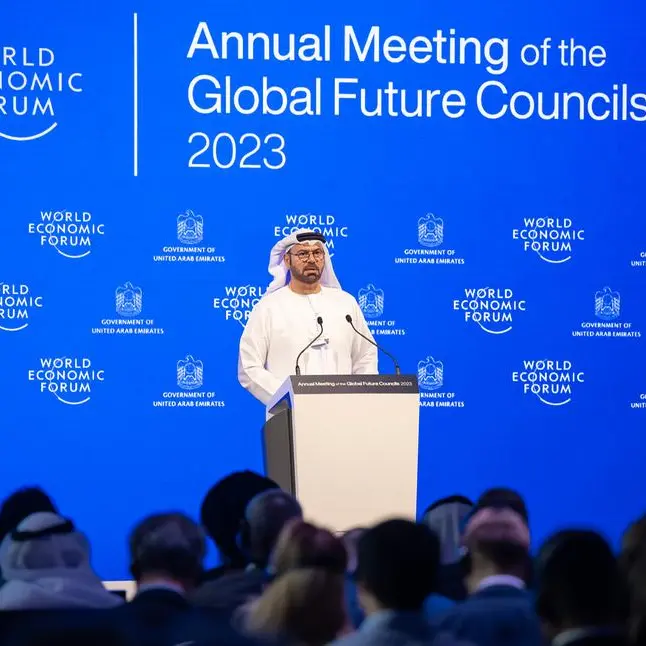
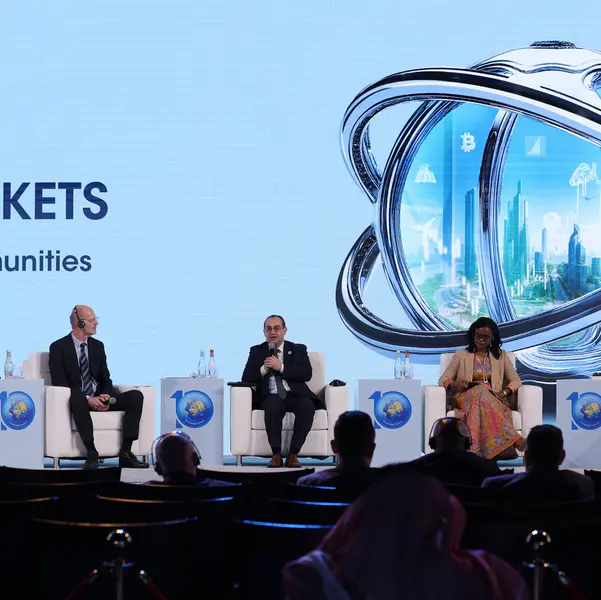
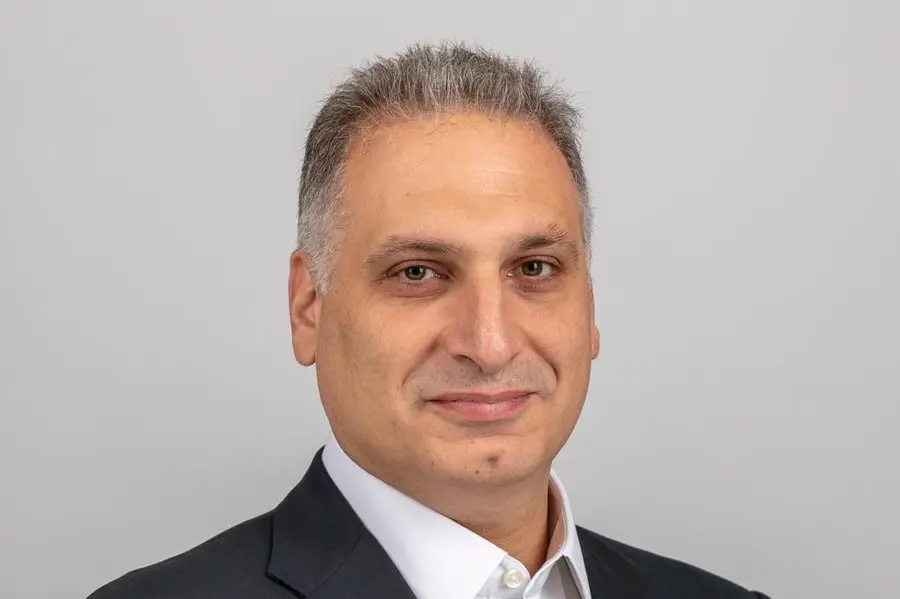
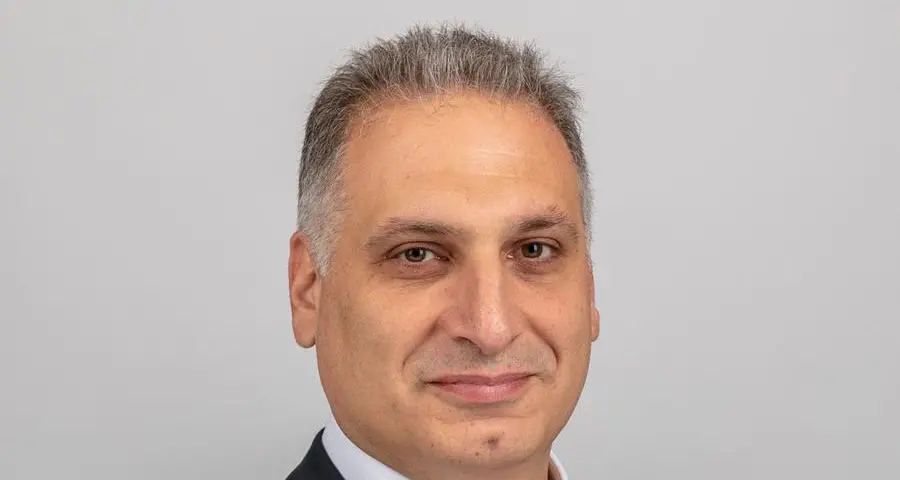
SHARJAH, UAE — The recent conflict in the Gulf has become a whole-economy shock with consequences reaching far beyond energy markets, Crescent Petroleum Chief Executive Officer Majid Jafar told an audience of senior business, finance and government leaders in Washington, DC, on Monday.
Delivering the keynote address at the Arab Gulf States Institute’s Petro Diplomacy 2026 conference, Jafar said the disruption to flows through the Strait of Hormuz, through which around a fifth of the world’s oil normally passes, had exposed how dependent the global economy has become on a handful of strategic chokepoints.
“This is not an energy story. It is a whole-economy story,” Jafar said, noting that the same waterway carries up to a third of the world’s traded fertiliser, 40% of its helium, which is vital to the world’s semiconductors, and much of the feedstock on which modern industry depends. “It is not just oil prices in the markets that are affected; it is the food on your table, the planes in the sky, the chips in your phone.”
By Jafar’s estimate, direct damage to energy infrastructure already exceeds $60 billion, while lost revenue and disrupted trade have passed $150 billion and continue to rise by more than $1 billion a day. More than one billion barrels of oil supply have been lost since the disruption began. The International Energy Agency has described it as the largest supply disruption in the history of the global oil market, while economists have lowered their forecasts for global growth this year and raised those for inflation.
“Infrastructure is never just steel and concrete; it is human effort, accumulated expertise, and the livelihoods that millions depend on every day,” Jafar said, paying tribute to the engineers, operators, and field teams across the region’s energy sector who kept supplies flowing through unprecedented danger and risk, often at great personal sacrifice.
He also drew a clear line on the targeting of energy facilities: “The deliberate targeting of civilian energy infrastructure is considered a war crime under international law,” pointing to its consequences for lives and livelihoods not only in producing countries but across every economy that depends on that energy, including some of the poorest populations in Asia.
Jafar argued that years of optimising energy systems for efficiency had left them exposed, and that the coming era would be defined by resilience. “A supply source with a single way out is insecure, however large it is,” he said. “True security now means infrastructure, connectivity, redundancy, and real alternatives for when the unexpected comes.”
Resilience itself, he said, is becoming investable, pointing to growing opportunities for sovereign wealth funds, development finance institutions, and long-term institutional capital to back new energy corridors, distributed storage, and cross-border connectivity. Across the Gulf, governments are already building overland routes that bypass the Strait of Hormuz, spreading strategic storage across multiple locations, and investing in alternative export pipelines and interconnection to reduce dependence on a single chokepoint.
Jafar said the region’s future lay in creating value at home rather than simply exporting energy. He pointed to Crescent Petroleum’s operations in Iraq, which have continued to operate and expand despite the security challenges and regional conflict. Gas production has increased 50% over the past year, backed by international partners including the U.S. International Development Finance Corporation (DFC), support that has held firm across successive U.S. administrations. That gas, he noted, does not leave the country: it powers homes, hospitals, schools, and industry for millions of Iraqis. “That is resilience in practice; not a molecule exported, but value created at home.”
Jafar concluded, “The countries and companies that thrive in the next energy era will not be those that simply produce the most but those that build the most resilient systems around what they produce and turn their resources into lasting value for their own people.”
About Crescent Petroleum
Crescent Petroleum is the first and largest private oil and gas company in the Middle East, with more than 50 years of experience as an international operator in numerous countries including Egypt, Yemen, Canada, Tunisia, and Argentina, in addition to its continuing operations in the United Arab Emirates and Iraq. Headquartered in the UAE, Crescent Petroleum has international offices in the UK and three locations across Iraq, as well as affiliated offices in Egypt. Crescent Petroleum is also the largest shareholder in Dana Gas, the Middle East’s first and largest regional private-sector natural gas company. www.crescentpetroleum.com