PHOTO
UAE, Dubai: The unified national platform “Emirates Health” has continued to showcase a suite of key projects and initiatives on the third day of its participation at World Health Expo (WHX) 2026 in Dubai, further cementing the growing coordination between federal and local health authorities under a single national framework.
The displayed projects are designed to accelerate the UAE’s strategic shift towards developing health policies and legislative frameworks powered by digital technologies, strengthening decision-making efficiency, and promoting data-driven governance, thereby reinforcing the country’s role as an active contributor to shaping the future of global health.
Smart platform for health policies and legislation
As part of its participation, the Ministry of Health and Prevention announced the launch of “Health Policies and Legislation Smart Platform," a new digital initiative aimed at modernizing the development of health policies through a more transparent, participatory and evidence-based approach.
The platform aims to support interactive planning and evaluation by engaging the community, experts, and specialists through a digital environment that enables effective communication with stakeholders involved in health policies and legislation across both the public and private sectors.
It also seeks to ensure that relevant parties are involved in the development and review of policies, while increasing reliance on informed perspectives that enhance compliance with related procedures, and supporting the development of legislation in line with the UAE’s health priorities.
Analysis of proposals
The smart platform will help accelerate the strategic shift toward evidence-based health policies. It will also enable systematic collection, analysis, and organization of data and proposals, which shortens the time required to develop and issue new policies.
Furthermore, it will play a key role in elevating the quality of health legislation by integrating specialized insights, improving implementation efficiency, and mitigating potential challenges through testing and evaluation before new regulations are rolled out to relevant facilities and individuals.
The platform is built upon a sophisticated digital framework, featuring a seamless electronic access system and the use of blockchain technology to process and securely store user-submitted data, thereby promoting reliability.
It automates data structuring for easier access to policies and legislation, employs artificial intelligence to analyze inputs and conduct studies, and features an integrated notification system to keep participants consistently updated.
Integrated pillars
His Excellency Hussain Al Rand, Assistant Undersecretary for the Public Health Sector at the Ministry of Health and Prevention, said the smart platform aligns with the objectives of “We the UAE 2031” Vision by developing modern mechanisms to upgrade health governance and strengthen the flexibility of the regulatory framework.
He noted that the project will contribute to improving quality of life by accelerating the shift towards data-driven and innovation-led services, while expanding community participation, as a key enabler of effective, transparent and measurable policymaking.
Al Rand added that the initiative has undergone a pilot testing phase that included a user survey assessing ease of use, clarity of content and navigation. The results indicated high levels of user satisfaction, reinforcing the Ministry’s efforts to adopt digital solutions that enhance the effectiveness of health policies, bolster operational efficiency, and support sustainable development goals through stronger governance and broader societal impact.
Al Rand noted that the smart platform operates through a set of integrated pillars. The awareness pillar focuses on presenting applicable health policies and legislation in the UAE, while heightening public understanding of their scope and objectives.
The evaluation pillar focuses on collecting and analyzing community feedback to support the measurement of national policy indicators and identify areas for improvement. Meanwhile, the thought leadership pillar and expert forum provide a structured space for dialogue and knowledge exchange among specialists, fostering scientific discussions that generate outcomes aligned with international best practices.
Sustainable legislation
Meanwhile, Dr Lubna Al Shaali, Director of the Health Policies and Legislation Department at the Ministry, said that the smart platform provides an advanced digital space that enhances the clarity of legislative pathways.
She noted that the platform’s importance lies in its ability to strengthen community engagement in the preparation and periodic evaluation of health policies and legislation, enabling them to meet the needs of the health sector and keep pace with rapid transformations.
Al Shaali added that the interactive digital environment allows experts to actively contribute practical insights that support the development of leading national health policies and the establishment of legislation that is more implementable and sustainable.
Specialized workshops
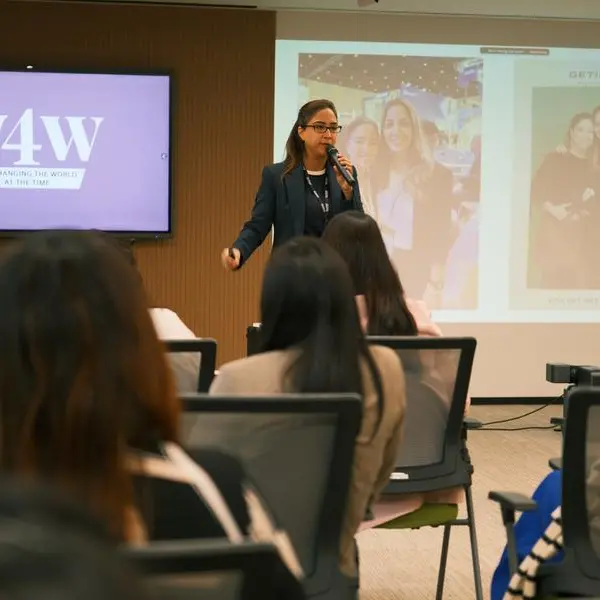
The “Emirates Health” platform at WHX 2026 continued to attract strong engagement on the third day of WHX, hosting a series of specialized workshops on how to develop medical practice and stimulate evidence-based innovation.
The Emirates Council for Integrative Medicine hosted a workshop on evidence-based innovation in integrative medicine, highlighting the integration of modern therapeutic approaches with established scientific principles to ensure high-quality health outcomes.
The Ministry of Health and Prevention, in collaboration with the Ministry of Interior, also organized a workshop titled “Bin Wariqa Service”, outlining mechanisms of support and community services connected to the healthcare sector.
Two workshops on medical liability addressed regulatory frameworks, professional ethics, and mechanisms to protect the rights of patients and healthcare practitioners, reinforcing trust and transparency across the healthcare system.
Meanwhile, the Dubai Health Authority conducted a training session on the latest developments and achievements of the “Hayat” program for organ and human tissue donation and transplantation.
Agreements
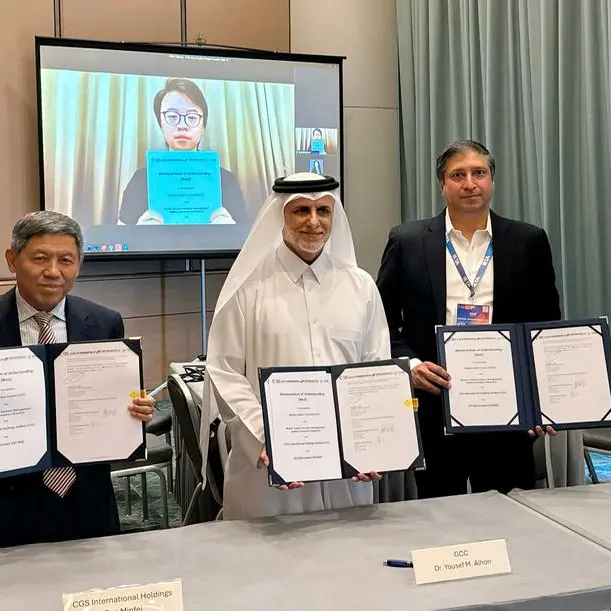
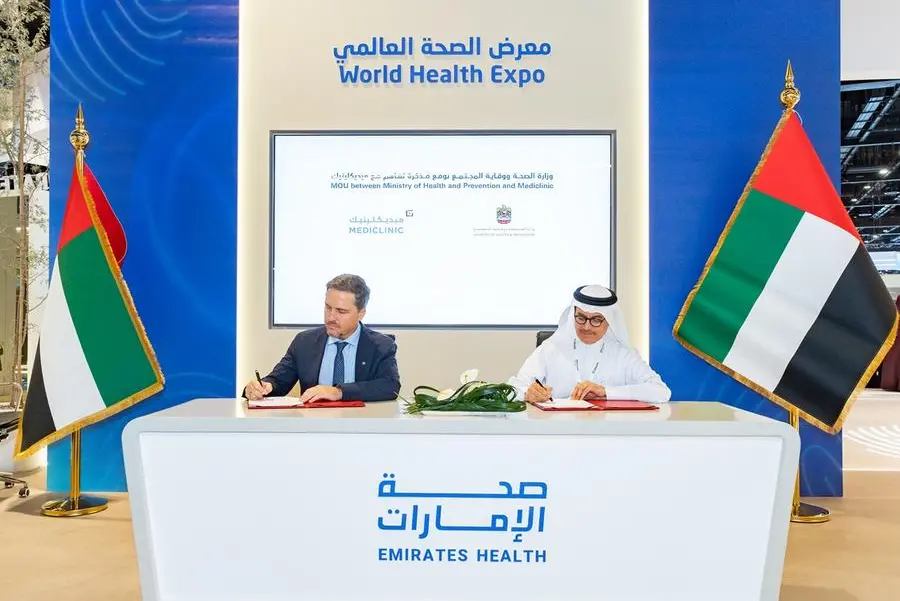
The platform also witnessed the signing of several agreements. These included a memorandum of understanding between the Ministry of Health and Prevention and Mediclinic Middle East to strengthen cooperation in medical services and training.
The Emirates Drug Establishment signed a memorandum of understanding with Roche Middle East, while the Department of Health – Abu Dhabi concluded two memoranda of understanding with the Zayed Complex for Herbal Research and Traditional Medicine and Kyung Hee University Korean Medicine Hospital.