PHOTO
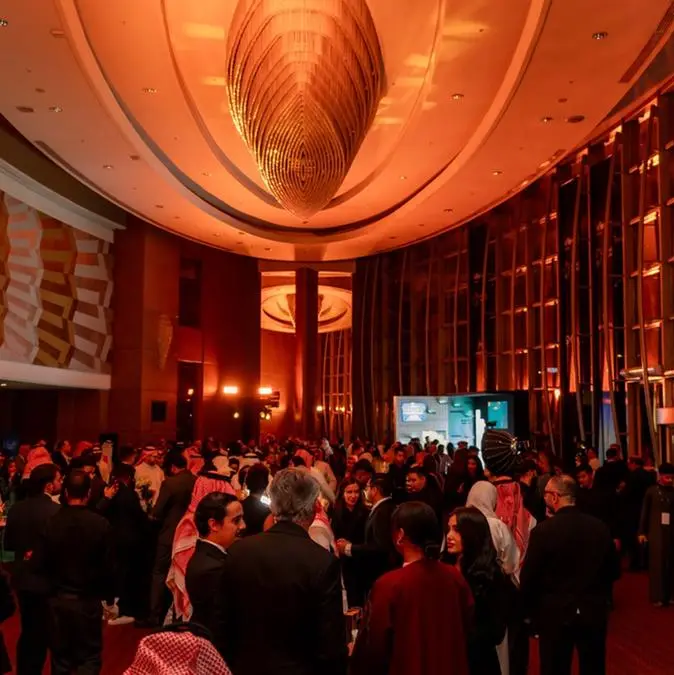
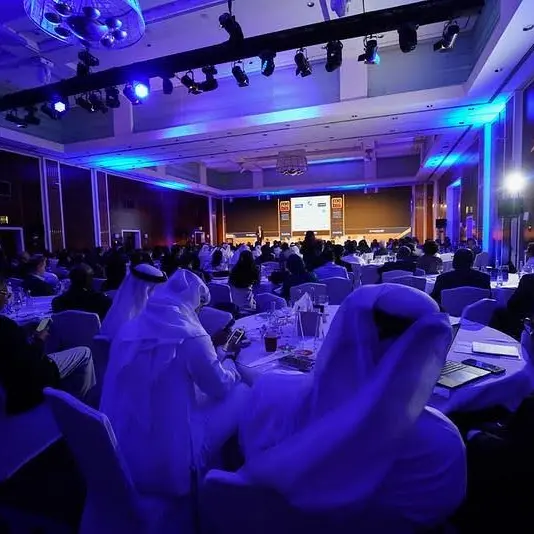
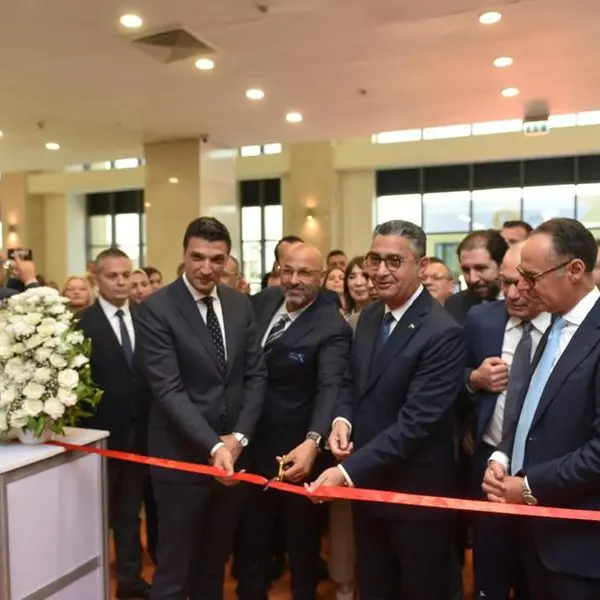
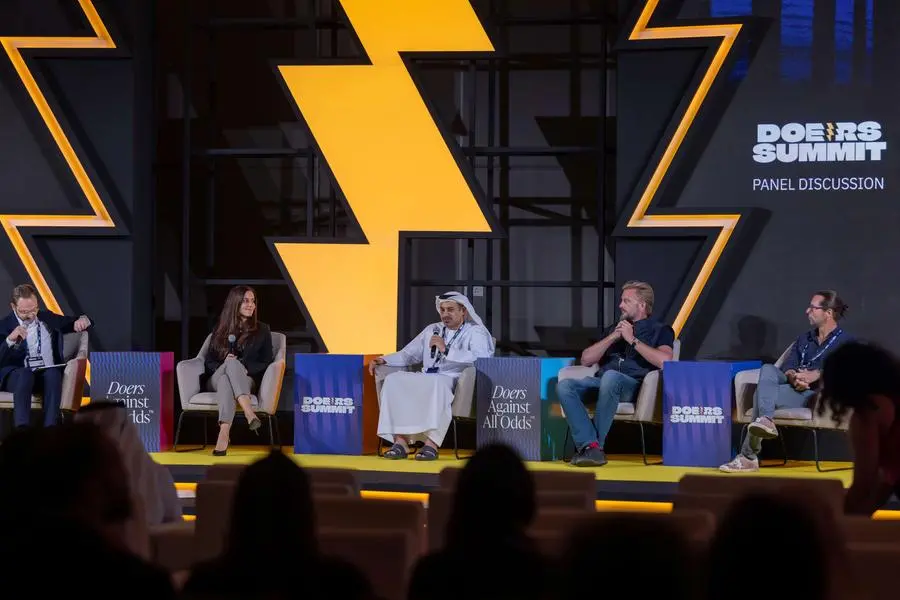
Dubai, UAE: Under the patronage of His Highness Sheikh Ahmed bin Saeed Al Maktoum, Chairman of the Dubai Integrated Economic Zones Authority (DIEZ), the first Middle East edition of the Doers Summit 2025 concluded successfully at Dubai Silicon Oasis, the special economic zone for knowledge and innovation and member of DIEZ. The two-day event, organised in collaboration with The DOERS Company and held during 26–27 November 2025, is one of the largest platforms connecting innovative startups, investors, and technology leaders from Central and Eastern Europe, Africa, and the Middle East.
The Summit welcomed over 4,000 attendees from across 115 countries, who explored critical themes shaping the global innovation ecosystem. The agenda featured high-level keynotes, panel discussions, and networking sessions focused on AI, fintech, digital infrastructure, climate tech, and sustainable mobility, driving dialogue on how technology can deliver real-world impact.
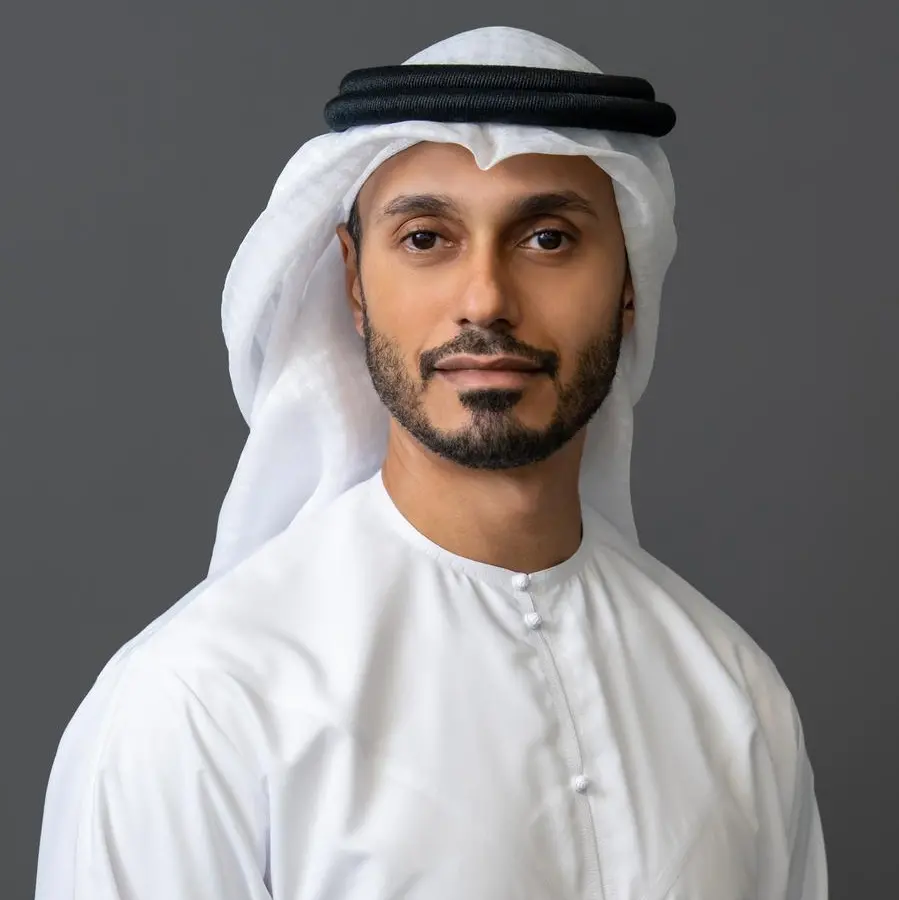
“The success of the Doers Summit at Dubai Silicon Oasis highlights the confidence that the global innovation community places in Dubai’s comprehensive support ecosystem and the distinctive incentives it provides to companies of all sizes,” said Badr Buhannad, Director General of Dubai Silicon Oasis. “This success aligns with Dubai’s ambition to establish 30 unicorn-status companies within the next decade, supporting the goals of the Dubai Economic Agenda D33 to position Dubai among the world’s top three economic cities.”
“At Dubai Silicon Oasis, we continue to offer competitive incentives, investment advantages and world-class infrastructure that enable companies to scale, in addition to developing partnerships that enrich this integrated ecosystem with high-value services and benefits. Hosting the Doers Summit our focus on creating a platform that connects entrepreneurs, companies and investors in the Middle East with their counterparts in Europe, empowering collaboration, partnership and business expansion across markets.”
Stylianos Lambrou, co-founder of DOERS Company and The Doers Summit, said: “Throughout the Summit, Dubai has provided an innovative platform that connects startups with investors, facilitating communication, knowledge exchange and pitch presentations. This directly aligns with the core objectives behind organising this event and reflects the spirit of entrepreneurship that we have successfully cultivated in previous international editions. We are proud of the outstanding success achieved by the first Middle East edition here in Dubai.”
During discussions on startup exits, speakers noted that pathways today are far more complex and unpredictable than in previous cycles. Rather than building companies with exit scenarios pre-defined, founders were encouraged to focus instead on creating strong products, maintaining a technological and operational advantage, and keeping valuation expectations grounded in reality. IPOs remain an outlier in most markets, which places M&A as the most common route to liquidity, often with founders staying engaged post-transaction to secure continuity and value creation. The panel emphasised that organised financials and legal documentation can accelerate negotiations significantly, saving months of revision. The overall message reinforced that successful exits are a by-product of real value creation, not a strategy manufactured in isolation.
Another session explored the evolving landscape of future economies, highlighting that the transition from linear to circular systems has become an economic and industrial imperative. Panellists referenced the “Circular Trilemma” balancing resource security, ESG commitments, and competitiveness, noting that an estimated USD 2 trillion in secondary materials remains untapped globally. Circularity was emphasised as a sustainability solution, as well as a driver for innovation, cost optimisation and industrial resilience. Speakers further noted that progress will rely on digital resource-tracking infrastructure, cross-sector collaboration, and policy ecosystems capable of incentivising recovery and reuse at a meaningful scale. Organisations that adapt early stand to reduce risk, increase efficiency and lead in an increasingly resource-strained global marketplace.
Conversations around the future of work highlighted flexibility, technology and trust as the core pillars shaping organisational models moving forward. Speakers observed that the traditional full-time structure is giving way to more dynamic formats combining remote work, flexible scheduling, gig-based expertise and AI-augmented productivity. Performance cultures built on outcomes rather than presenteeism were described as essential, along with legal frameworks that support multi-jurisdictional hiring and compliance. Rather than replacing human talent, AI was framed as a tool that enables teams to work smarter and faster, removing administrative burden and unlocking strategic focus. The consensus reflected that organisations willing to evolve quickly, embrace global talent pools, and integrate intelligent tools into core workflows are the ones most likely to sustain competitive advantage in the next era of work.