PHOTO
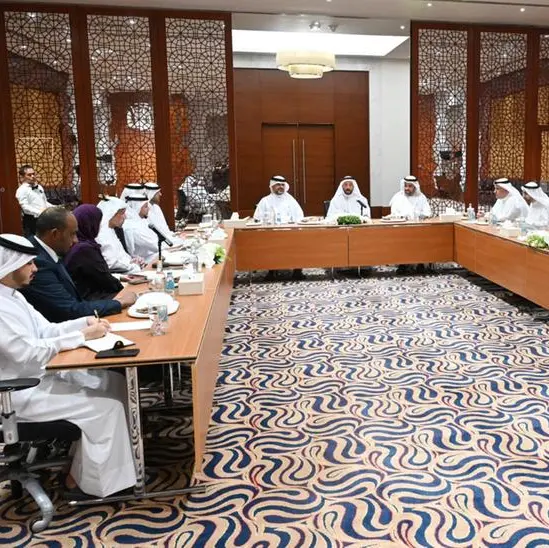
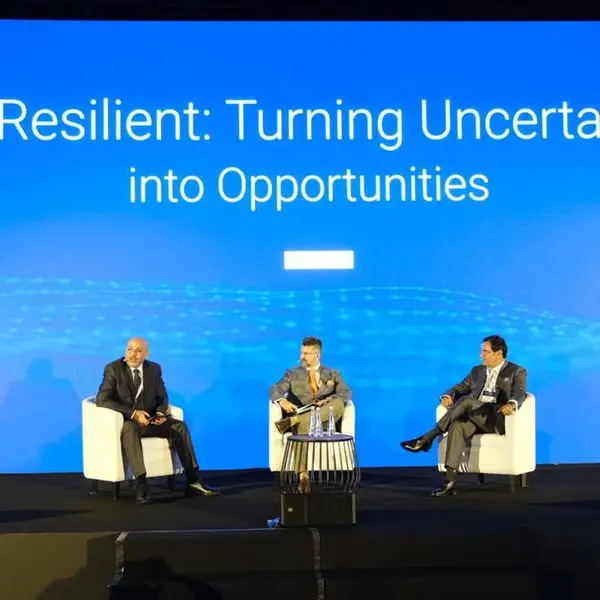
Dubai, UAE: Danfoss HydronicS event brought together over 100 leading experts from the HVAC and district cooling sectors for an exclusive event in Dubai titled “The Future of Building Comfort: Hydronic HVAC Solutions.”
The event gathered local industry professionals, consultants, and developers to discuss the growing importance of energy efficiency, hydronic optimization, and Delta T performance in the UAE’s building and district cooling landscape. The session featured Danfoss and external experts exploring how smarter design and control of hydronic systems can significantly reduce cooling energy demand, improve building performance, and eliminate unnecessary Delta T penalties.
Driving efficiency through hydronic optimization
The UAE’s district cooling market continues to expand in line with the country’s sustainability commitments and its Net Zero 2050 Strategy. Cooling represents up to 70% of electricity consumption in some Gulf buildings, underscoring the critical need for efficient cooling infrastructure.
However, many buildings connected to district cooling networks are still subject to Delta T penalties, incurred when the chilled water temperature difference between supply and return lines drops below design levels. Such inefficiencies force plants to operate longer and at higher loads, driving up energy consumption and cost.
“Low Delta T performance is one of the silent cost drivers in district cooling today,” said Bassam Ahmad, Energy Efficiency Lead, Danfoss HydronicS MENA. “In the UAE, many buildings are unknowingly paying these penalties, yet the solution is within reach. With proper balancing, flow control, and intelligent BTU metering, Danfoss helps customers completely eliminate Delta T losses while improving occupant comfort and system reliability.”
During the event, Ahmad presented a live case study showcasing how Danfoss’ HydronicS solutions improved a building’s Delta T performance and reduced energy costs, demonstrating tangible benefits for developers and operators alike.
Collaboration toward sustainable cooling
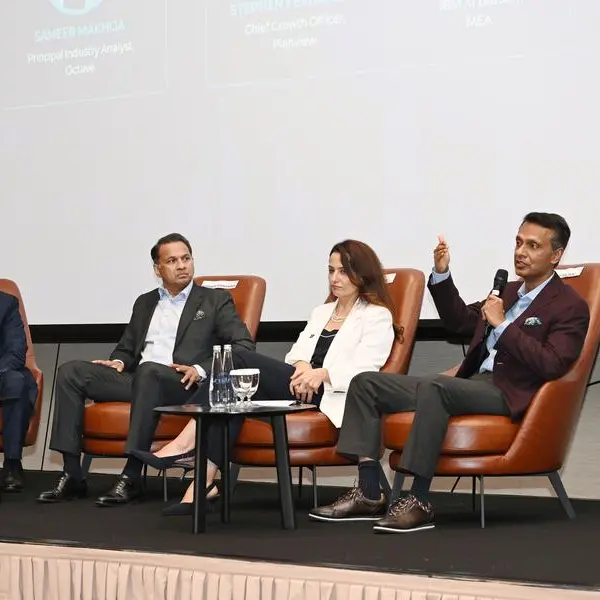
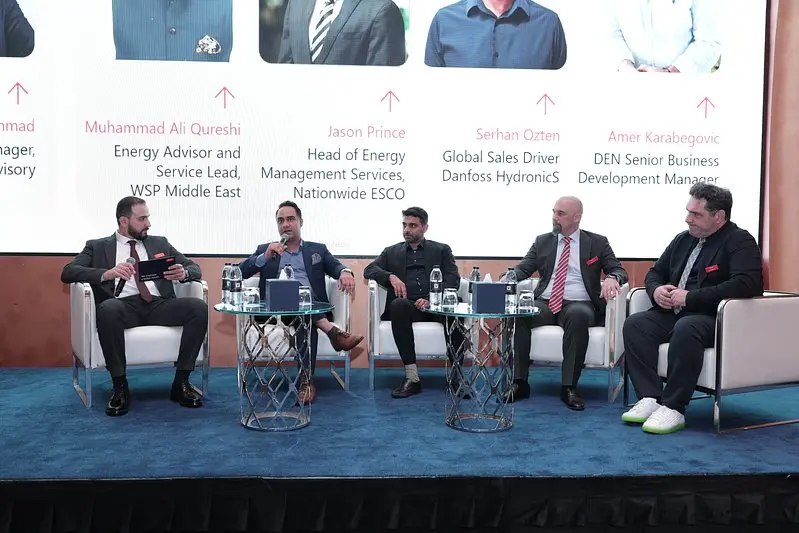
The program featured sessions from Emad Ahmad, Senior Sales Manager, BSO Danfoss MENA, and Karsten Thinggaard, Global Director Controls & Meter at Danfoss, as well as an executive panel including Mohammed Ali Qureshi (WSP), Serhan Ozten, and Amer Karabegovic, who discussed the evolving role of data, smart metering, and AI-driven monitoring in district cooling.
“This event was more than a technical workshop, it was a dialogue between key stakeholders shaping the UAE’s cooling future,” said Emad Ahmad, Senior Sales Manager, BSO Danfoss MENA. “By connecting building owners, consultants, and district cooling operators, we can accelerate the transition toward efficient, data-driven, and low-carbon cooling solutions aligned with the UAE’s vision for sustainable cities.”
Industry alignment with UAE sustainability goals
As Dubai and other emirates expand their district cooling capacity, authorities are tightening regulations on building performance, metering, and Delta T efficiency. The Regulatory and Supervisory Bureau (RSB) defines low-Delta T penalties as part of its tariff structure, encouraging buildings to enhance hydronic balance and system optimization.
Danfoss’ HydronicS portfolio, including advanced control valves, differential pressure controllers, and smart metering systems, directly supports these goals by helping customers increase efficiency, lower operational costs, and minimize carbon footprint.
Building a smarter cooling future
The evening concluded with an interactive “HydronicS Talks” panel and a networking dinner, creating opportunities for open exchange between engineers, developers, and technology providers. The event reaffirmed Danfoss’ commitment to supporting the UAE’s decarbonization journey through innovation and collaboration.
“Hydronic optimization is not only about comfort, it’s about responsibility,” concluded Bassam Ahmad. “Every percentage point of efficiency gained in cooling translates to real emissions reductions, supporting the UAE’s sustainable vision for its cities”.
About Danfoss A/S:
Danfoss engineers solutions that increase machine productivity, reduce emissions, lower energy consumption, and enable electrification. Our solutions are used in areas such as refrigeration, air conditioning, heating, power conversion, motor control, industrial machinery, marine, and on- and off-highway equipment. We also provide solutions for renewable energy, such as solar and wind power, storage, heat recovery, as well as contribute to district energy solutions for cities. Our innovative engineering dates back to 1933. Danfoss is family-owned and employs over 39,000 people. We create long-term value for our customers in more than 100 countries with a global footprint of around 100 factories.
For further information please contact
Martina Pozgaj, Senior Marketing Communication Specialist, Danfoss Climate Solutions
Martina.pozgaj@danfoss.com