PHOTO
-
The Authority launched ‘Makhater’, ‘Tamkeen’ and’ NCEMA-HazMatGPT programme’ to enhance cooperation and knowledge sharing.
-
NCEMA also signed a number of MOUs for research and capacity-building
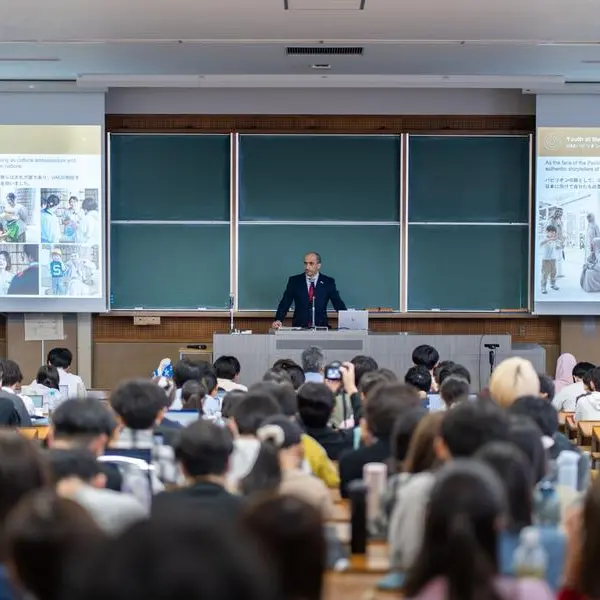
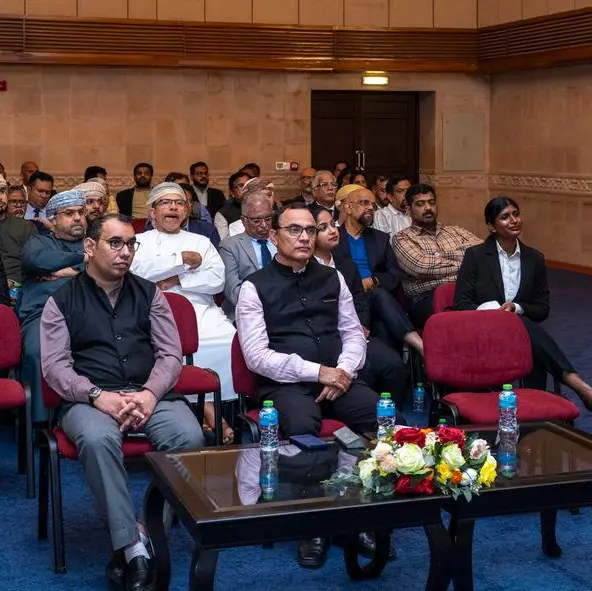
Abu Dhabi: With the participation of a large number of officials, experts and professionals, the activities of the Crisis and Emergency Management Community Forum organised by the National Emergency, Crisis and Disaster Management Authority (NCEMA) at the Abu Dhabi National Exhibition Centre (ADNEC) concluded on Thursday, 15 February 2024. Various sessions, presentations, specialised workshops and lectures, and national and international experiences showcased the most important current and future trends in the field were discussed.
His Excellency Ali Saeed Al Neyadi, Chairman of the (NCEMA), thanked all those who contributed to the success of the Forum, which reflects the keenness of the UAE's wise leadership to provide the highest and best level of safety and security to all members and sectors of society and to continuously evolve and keep pace with rapid developments to preserve the country's achievements and enhance its leading position.
He added: "The Forum is the result of the recommendations of the Emergency and Crisis Management Summit organised in May 2023 under the patronage of His Highness Sheikh Tahnoun bin Zayed Al Nahyan, Deputy Ruler of Abu Dhabi and National Security Advisor. The focus was on the importance of continuous coordination, cooperation and integration between countries and organisations supporting local emergency and crisis institutions, sharing information and experiences, the use of modern technologies and applications of artificial intelligence and big data, and the importance of addressing the new generation of risks posed by economic conditions by relying on studies and research to raise emergency preparedness and readiness."
His Excellency Ali Saeed Al Neyadi said: "The high turnout to the forum confirms the interest of the various components of the emergency, crisis and disaster community in closer cooperation and the exchange of knowledge and views to develop innovative solutions to the challenges of the present and the future, which contributes positively to strengthening the national response and raising the preparedness of the various sectors of the country."
His Excellency emphasised that the development of human capabilities and the creation of suitable conditions for their continuous training and qualification are among the strategic objectives of the UAE. He pointed out that the discussions, focused sessions, and specialised workshops are essential opportunities for professionals in this field to develop their knowledge and skills.
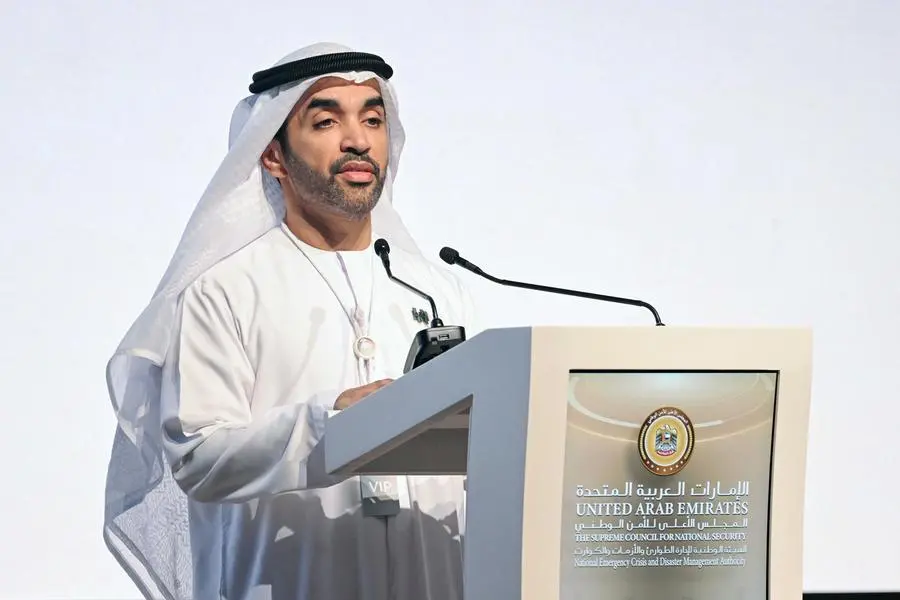
In his opening speech at the Forum, His Excellency Dr Saif Al Dhaheri, Director of the National Operations Centre at the National Crisis and Emergency Management Authority (NCEMA), said that NCEMA follows the directives of our wise leadership to enhance preparedness to face challenges, pointing out the importance of building the necessary capabilities to overcome challenges and turn them into opportunities to achieve the UAE's goals.
His Excellency emphasised the importance of using the latest technologies and keeping pace with rapid technological development to anticipate potential risks and mitigate the impact of crises and disasters. He explained that communication and cooperation between the various stakeholders are among the most critical factors in achieving the best solutions.
Mr. Fahad Buti Al Muhairi, Director of the Department of Security and Prevention at NCEMA, gave a presentation entitled "Protecting the Future: Strategic Directions", in which he addressed the global context of the size of the disaster unit and the requirements for applying proactive and preventive measures to reduce and adapt to disaster risks. He delved into new developments and phenomena that have begun to evolve into global risks, as well as developments related to the concept of prevention, best international and national practices in this area, prevention measures, the organisation and management of prevention programmes and their harmonisation and integration at the national level.
The session on "Building sustainable strategies for the future" witnessed the participation of His Excellency Dr. Mohamed Al Kuwaiti, CEO of the Emirates Cybersecurity Council; His Excellency Brigadier General Ahmed Bourguiba, Director of the Resilience Center, Dubai Police HQ; and His Excellency Brigadier General Dr. Ali Abu Al-Zawd, Deputy Director General of Central Operations, Sharjah Police HQ, and was moderated by His Excellency Hamad Saif Al Kaabi, from The National Emergency, Crisis and Disaster Management Authority.
Participants in the session discussed emerging cybersecurity risks and their mitigation, dealing with national supply chains and integrating emergency and crisis management systems and infrastructure, and the use of advanced technologies in emergency, crisis and disaster management to enhance flexibility in dealing with emerging risks and predictability of the future risks and ensuring the continuity of vital services and products.
Launching platforms to support the national system
At the Forum, the National Emergency, Crisis and Disaster Management Authority (NCEMA) reviewed the existing systems for emergency and crisis management, which is an integrated platform that aims to improve and adapt national capabilities in emergency, crisis and disaster management by adopting an integrated collaborative approach between federal and local entities, the private sector, international and regional organisations and the local community to achieve a high level of preparedness and resilience in the face of crises and disasters.
In addition, NCEMA has introduced the "Makhatar" platform, a key system for emergency and crisis management that enables the exchange of information and joint coordination between NCEMA and external stakeholders. Through this platform, all incident information and reports are managed, and the fundamental information/picture is extracted, in addition to many other functions dealing with managing emergency and crisis data and its presentation to stakeholders.
NCEMA also announced the launch of the Tamkeen knowledge platform, an innovative meeting place for employees and partners interested in emergency, crisis and disaster management. Here, visitors can share experiences and participate in specialised and development-oriented training programmes offered by NCEMA in a renewed and interactive format.
Coinciding with Innovation Month, NCEMA participated in an integrated innovation platform comprising three initiatives, including the Metaverse Emergency and Hazardous Materials Crises Project to achieve proactivity in the national system and the NCEMA-HazMatGPT programme to address the need for safe access to information related to hazardous materials. In addition to the geospatial applications platform for the epidemiological preparedness map to support decision makers proactively and flexibly.
Highlight on Local & International Experiences
Global experience in this area was presented at the Forum, with a keynote speech by His Excellency Fabrizio Curcio, Head of Civil Protection in Italy, who shared his country's experience in the development and management of emergencies, crises and disasters, as well as on his many years of experience in this field.
In a presentation on the UK's experience, Dr. Stefan Brooks, Senior Fellow in Public Policy and Management and Leadership and Organisational Development at the University of Manchester, gave an overview of the threats and challenges facing the UK and its response plans and strategies in the face of emergencies and crises, as well as the country's systems in supporting stability in the current situation.
Highlighting the importance of the role of strategic partners in the integrated emergency, crisis and disaster management system, the Forum organised a panel discussion with the participation of Dr Fatima Al-Attar, Consultant and Director of the International Health Regulations Office, Ministry of Health and Prevention, and His Excellency Dr Abdullah Al Dhaheri, Executive Director of the Response and Recovery Sector Emergency, Crisis and Disaster Management Centre for the Emirate of Abu Dhabi. His Excellency Dr. Hassan Al Muhairi, Assistant Undersecretary for Planning and Education Services Sector, Ministry of Education, moderated the discussion.
Another key theme discussed at the Forum was the role of the private sector in strengthening the emergency, crisis and disaster management system. Safeya Almqtri, Group Deputy Chief Operating Officer M42; Mohammed Al Suwaidi, Senior Manager, Enterprise Resilience G42; and Fadhel Al Remeithi, Advisor, Emergency Response and Crisis Management at ADNOC, participated in the session, which was moderated by Mr Abdulla Khalifa Al Muhairi from NCEMA. The panel discussion focussed on leveraging advanced technologies in emergency management, the role of security innovation in crisis response, and data management. The participants delved into information management and the importance of using artificial intelligence in crisis management, as well as employing sustainability strategies and their impact on reducing environmental damage during accidents and crises.
The thematic workshops discussed the United Nations “Making Cities Resilient 2030” disaster risk reduction initiative, which enables cities to develop a continuous approach to risk resilience. The workshop focussed on the mechanisms for early identification of indicators and trends for future risks and the best ways to prepare, respond and recover. Participants in the hazardous materials workshop discussed the importance of planning and preparing for the future to address the risks and threats posed by hazardous materials.
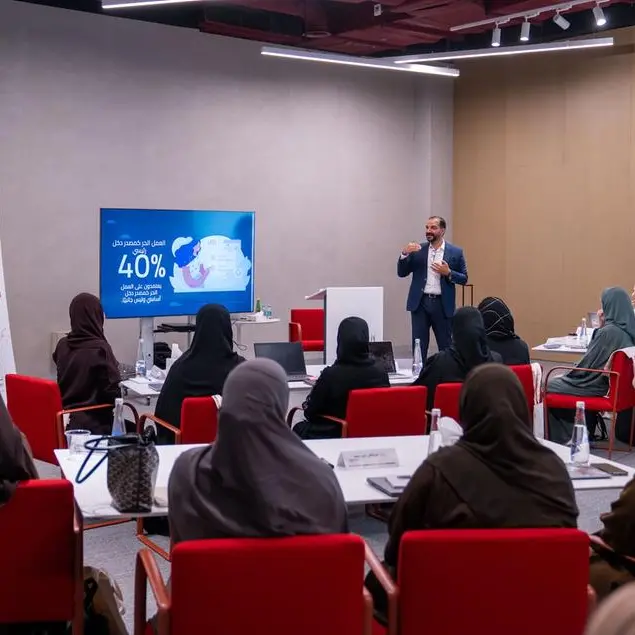
Meanwhile, an interactive workshop entitled "Commanding The Narrative: Media Strategies For Crisis Management" explored the power of using narrative, improving the understanding and practical application of strategic narratives in crises, and the psychological and social impact of storytelling during a crisis. The session addressed the importance of aligning narratives with long-term strategic goals, techniques for formulating a successful and compelling strategic narrative, and the importance of learning from case studies and experiences in emergencies and crises to prepare for future changes in crisis communication.
Honouring exceptional efforts
NCEMA honoured its strategic partners who have obtained a certificate of compliance with the National Standard for Business Continuity System and their contribution to improving the national preparedness system at their workplaces, including the Ministry of Interior, the Ministry of Economy, the Ministry of Health and Prevention, the General Civil Aviation Authority, Emirates Health Services Corporation, the National Archives and Library, Emirates Telecommunications Corporation – Etisalat, Al Yah Satellite Communications Company – Yahsat and Emirates Integrated Telecommunications Company – du.
The Authority also honoured the entities that have made exceptional efforts in the UAE's humanitarian mission, including the Ministry of Interior, Ministry of Foreign Affairs, Federal Authority for Identity, Citizenship, Customs and Ports Security, Ministry of Education, Abu Dhabi Police Headquarters, The Department of Health Abu Dhabi, Family Development Foundation, Abu Dhabi Airports, Emirates Red Crescent Authority and Zayed Higher Organisation for People of Determination.
Memorandums of Understanding
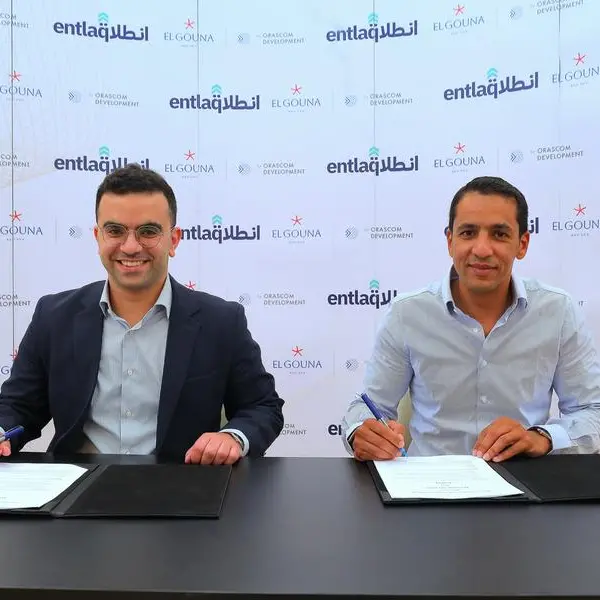
During the Forum, NCEMA signed several memoranda of understanding to improve cooperation and provide training and development opportunities. His Excellency Ali Rashid Al Neyadi signed a memorandum of understanding with Dr. Mohammed Abdullah Al-Ali, CEO of TRENDS Research and Advisory, to enhance scientific, research and academic cooperation in areas and issues of common interest to achieve their goals of supporting scientific research, expanding its base, diversifying its sources, using it to serve the community, and supporting decision-makers and policymakers make informed decisions based on sound scientific data.
He also signed a memorandum of understanding with His Excellency Salem Saeed Al Saeedi, Vice President t of Rabdan Academy, to enhance cooperation and coordination between the two parties in all emergency, crisis and disaster management matters.
His Excellency Ali Rashid Al Neyadi, Chairman of the Authority, also signed 3 Memorandum of Understanding with Eng. Saeed Salem Al Maskari, CEO of Emirates Classification Authority (Tasneef), Mr. Tunes Coetzee, Regional Executive Director for the Middle East, Africa, India and Turkey at BSI Group, and Mr. Mohammed Al-Khamis from Deloitte & Touche Group, to enhance cooperation and coordination regarding the training programme for the National Standard for Business Continuity Management System (AE/SCNS/NCEMA7000:2021).
-Ends-