PHOTO
- Over 150 oil and gas executives convened in Dubai for the Middle East Gas Conference, sponsored by Crescent Petroleum, to shape the future of the region’s gas industry.
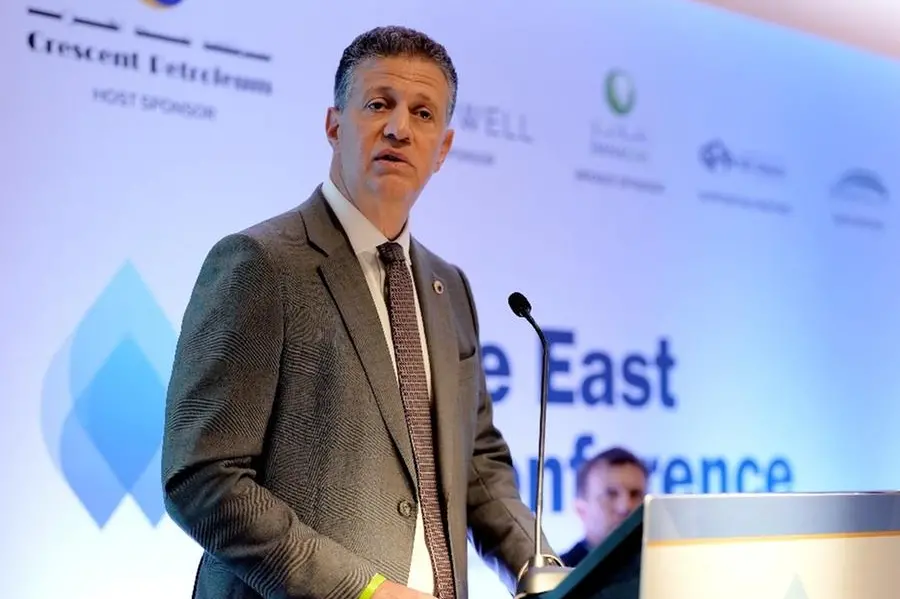
- Majid Jafar, CEO of Crescent Petroleum: “Our region is on track to become the world’s second-largest producer of natural gas, behind North America. This is not just about meeting energy needs. It is about creating new economic opportunities, driving industrial diversification, and fostering stronger regional ties.”
DUBAI, UAE: The regional natural gas sector requires US$200 billion of investment in the next four years to increase production by 30% to meet rapidly growing demand for power, industry executives attending the Middle East Gas Conference in Dubai said on Wednesday.
More than 150 executives from energy producers representing the leading producers of gas in the region gathered to discuss the next stage in development of the region’s immense natural gas resources, urging efforts to build capacity to meet surging demand for electricity, and accelerate the displacement of oil in power generation.
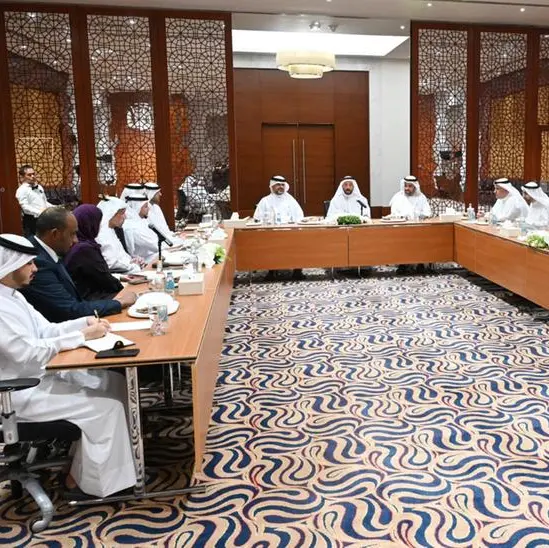
The first Middle East Gas Conference, convened senior policymakers, executives from leading NOCs and IOCs, financiers, and infrastructure in Dubai to take the pulse of the rapidly growing industry and prepare to meet the challenges of growing regional population, rising power demand from air conditioning and desalination as well as AI, and to enable the diversification of the region’s economies. The event was organized by Petroleum Economist in partnership with host sponsor Crescent Petroleum, the oldest and largest private oil & gas company in the region, joined by senior executives from ADNOC, Aramco, XRG, Bapco Energy, RAK Gas, Dana Gas, SNOC, Shell and others. A number of leading global financial institutions were also present with a special focus on financing natural gas, including Deutsche Bank, Cantor Fitzgerald and FAB.
“Our region is on track to become the world’s second-largest producer of natural gas, behind North America. Since 2020, gas production has grown over 15%, and is expected to rise another 30% by 2030, which will require US$200 billion of investment,” said Majid Jafar, CEO of Crescent Petroleum and Board Managing Director of Dana Gas in the opening speech of the conference. “This is not just about meeting energy needs. It is about creating new economic opportunities, driving industrial diversification, and fostering stronger regional ties. Gas will be central to ensuring energy security, supporting industrial development, and enabling the clean energy transition,” he added.
The gathering heard that regional gas production needs to add 14 bcfd of new supply by 2030, equivalent to adding the gas demand of Europe’s power sector, to reach 86 bcfd. And delegates also highlighted how broader plans to build out the region’s AI infrastructure including in the UAE and Saudi Arabia, will add significant new demand as AI’s power hungry server farms seek to take advantage of the region’s comparatively lower energy costs and modern infrastructure, and require stable baseload reliable power which natural gas can enable. As such, the region’s affordable energy, agile policy and available capital present significant global advantages in the development of infrastructure for AI.
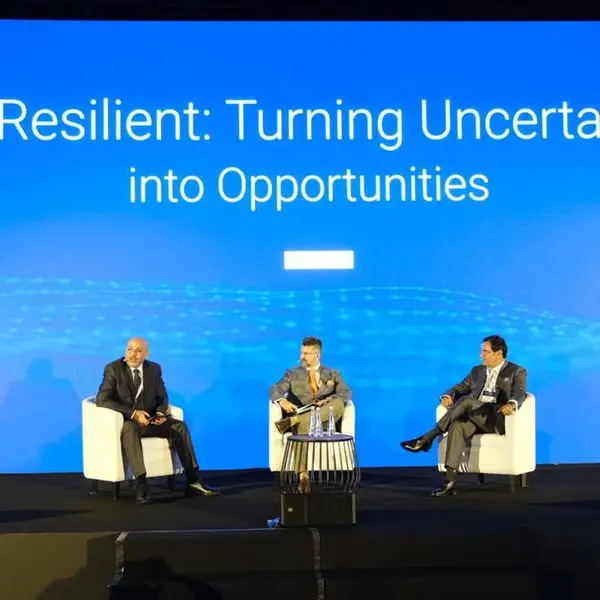
The conference, held at the Waldorf Astoria DIFC, featured special keynote sessions with Musabbeh Al-Kaabi, CEO of ADNOC Upstream, and Abdulkarim Al-Ghamdi, Executive Vice President for Gas at Saudi Aramco. Delegates also emphasized the need to strengthen partnerships among producers, investors, and stakeholders, while promoting new investment models and championing regulatory frameworks to build integrated, resilient gas networks across the region.
Abdulkarim Ghamdi, EVP Gas, Saudi Aramco said: “Today’s discussions underline how critical gas and related infrastructure are for meeting rising power demand, supporting industrial growth, and enabling sustainable future energy pathways. Delivering on that potential depends on closer cooperation between governments, investors, and industry, and the IEF Industry Advisory Council helps make that possible by bringing leading energy companies into the conversation with essential real-world insight, strengthening the bridge between policymakers, financiers, and the sector in support of global energy security.”
Jassim Alshirawi, Secretary General, International Energy Forum (IEF) said:"As the global energy landscape rapidly evolves, one fact is clear across all scenarios: the world will need sianificantlv more energy that is reliable, affordable, and lower-carbon. This places natural gas at the center of the global energy strategy. At Aramco, we are advancing one of the most ambitious gas expansion programs in our history, targeting an ~80% increase in sales gas production capacity by 2030 versus 2021 production levels, resulting in reaching around 6 million barrels of oil equivalent per day of total gas and associated liquids. This growth is expected to deliver $12-15 billion in incremental operating cash flow. With among the lowest upstream costs carbon and methane intensities, leading technologies, exceptional talent, and strong partnerships, we are helping build an energy system that works for all."
Paul Hickin, editor-in-chief and chief economist, Petroleum Economist, added, “This event brought the industry together to unlock the full potential of Middle East gas for its people, supporting secure and sustainable growth across the region.”
About Gulf Energy Information
Gulf Energy Information (Gulf) is a global leader in energy intelligence, delivering authoritative insight across the natural gas, LNG, upstream, midstream, and downstream sectors. Through publications such as Petroleum Economist, Gas Processing & LNG, Hydrocarbon Processing, H2Tech and World Oil, Gulf provides critical analysis on market trends, project developments, technology innovation, and the energy transition. For more than one hundred years, Gulf has connected industry executives, engineers and policymakers through trusted journalism, data solutions and world-class conferences.
For enquiries, please contact Rachel McGhie at rachel.mcghie@gulfenergyinfo.com
About Crescent Petroleum:
Crescent Petroleum is the first and largest private exploration and production company in the Middle East, with more than 50 years of experience as an international operator in numerous countries including Egypt, Yemen, Canada, Tunisia, and Argentina, in addition to its continuing operations in the United Arab Emirates and Iraq.
Headquartered in the UAE, Crescent Petroleum has international offices in the UK and three locations across Iraq, as well as affiliated offices in Egypt. Crescent Petroleum is also the argest shareholder in Dana Gas, the Middle East’s first and largest regional private-sector natural gas company. www.crescentpetroleum.com