PHOTO
Dubai, United Arab Emirates – The UAE economy has delivered a strong performance in recent months, supported by solid growth indicators that point to a broader shift in global capital flows, as international markets face heightened volatility driven by geopolitical tensions and evolving monetary policies.
According to the latest data, the UAE’s GDP reached approximately AED 879.6 billion in the first half of 2024, with non-oil sectors contributing nearly 75% of the total economy. Meanwhile, foreign direct investment inflows surpassed $45 billion, underscoring the country’s continued appeal as a regional and global investment hub.
This performance comes against a backdrop of persistent global uncertainty. During major crises, global markets have experienced sharp declines; the S&P 500 lost around 38.5% of its value during the 2008 financial crisis and fell by nearly 34% during the COVID-19 pandemic in 2020, before staging one of the fastest recoveries in its history. In 2026, volatility has resurfaced amid escalating geopolitical tensions, impacting both market movements and oil prices.
In this environment, capital behavior is no longer driven solely by the pursuit of returns, but increasingly by the search for trust—whether in regulatory frameworks, economic stability, or the ability to make decisive policy moves during periods of crisis.
The UAE stands out as a clear example of this shift, having built a comprehensive economic ecosystem based on openness, regulatory agility, and rapid decision-making—factors that have strengthened its ability to attract investment even during periods of global disruption.
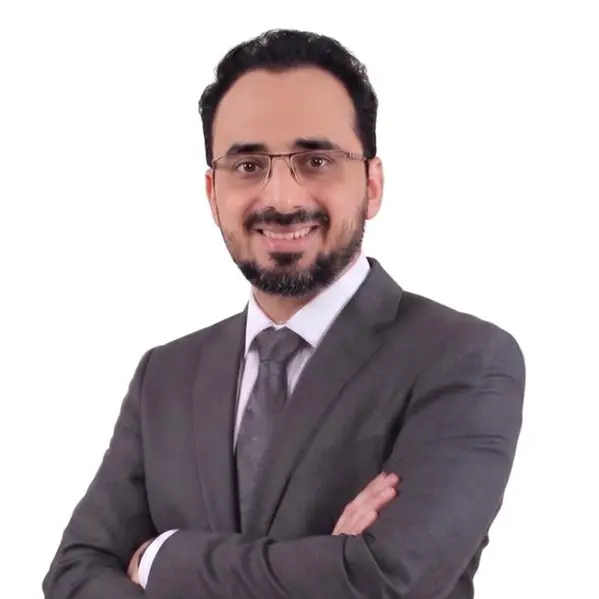
Wael Rashid, Business Development Manager and Official Spokesperson at Evest, said:
“What we are seeing in the UAE markets goes beyond resilience. It reflects a broader transformation in how capital is managed globally. Investors today are seeking environments that combine stability with flexibility—something the UAE has consistently delivered in recent years.”
He added:
“Markets are no longer driven purely by headlines or short-term events, but by a deeper assessment of risk and its repricing. This helps explain the continued flow of capital toward markets that offer policy clarity and economic stability.”
Estimates suggest that this performance is not cyclical, but rather aligned with a long-term strategic vision. Under the UAE Vision 2031, the country aims to double the size of its economy to AED 3 trillion, while increasing foreign trade to AED 4 trillion—further reinforcing its position as a key hub in global trade and investment flows.
Market observers note that the UAE is undergoing a structural shift in its role—from a regional market to a capital allocation hub during times of uncertainty—particularly as stability becomes an increasingly decisive factor in investment decisions.
Against this backdrop, investors are increasingly gravitating toward markets that offer a balanced risk-return profile, further strengthening the UAE’s position as a preferred destination for capital seeking stability in a volatile global environment.
For media inquiries: pr@thinksmart.ae