PHOTO
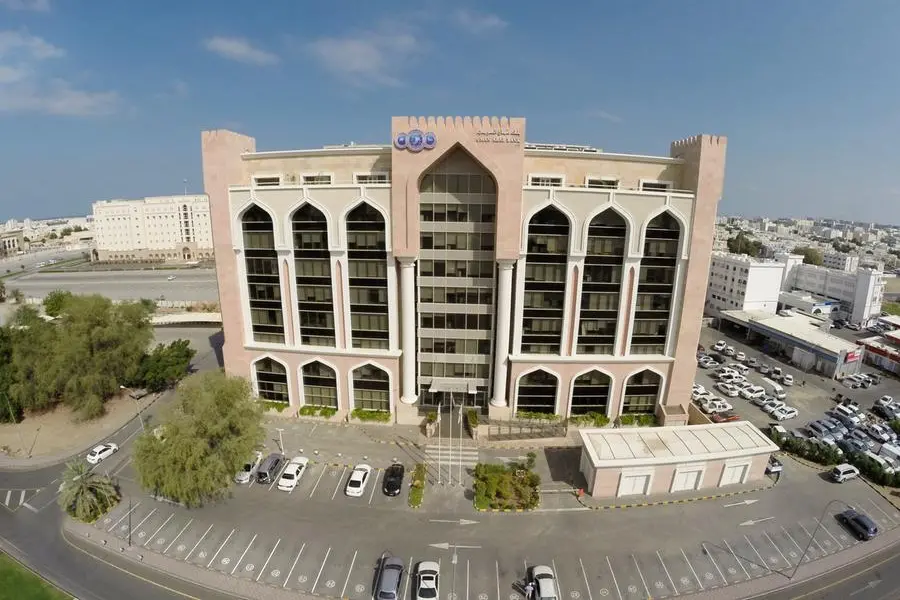
MUSCAT: As Oman advances its economic reform agenda under Vision 2040, addressing household indebtedness has emerged as a critical policy and societal priority. Rising consumer awareness, regulatory focus and changing economic conditions are converging to reshape how credit is extended, managed and repaid. Against this backdrop, BankDhofar is positioning responsible lending not merely as a compliance obligation, but as a core pillar of sustainable banking and long-term economic resilience.
At the heart of the challenge is the need to balance access to finance with financial stability. Credit remains essential for home ownership, education, entrepreneurship and consumption, yet unmanaged borrowing can strain households and undermine economic confidence. Recognising this, BankDhofar has embedded responsible lending principles into its corporate philosophy, aligning commercial objectives with broader national ambitions to promote financial wellbeing.
Central to this approach is the bank’s emphasis on affordability-based lending. BankDhofar applies rigorous income assessment, debt-burden analysis and stress testing across its retail and SME portfolios to ensure that customers can comfortably service their obligations over time. Rather than maximising short-term loan volumes, the bank prioritises long-term customer sustainability, helping borrowers avoid overextension in an environment of prices and living costs.
Beyond underwriting discipline, BankDhofar has been proactive in product innovation aimed at easing repayment pressures. Flexible repayment structures, loan rescheduling options and consolidation solutions allow customers to better manage existing obligations. These tools are particularly relevant for salaried individuals and SMEs navigating cyclical income patterns, providing breathing space while maintaining credit quality.
Digitalisation has further strengthened the bank’s financial wellness agenda. Through its digital banking platforms, customers can track outstanding balances, repayment schedules and cash flows in real time, improving transparency and budgeting discipline. Enhanced alerts and personalised insights help customers stay informed and proactive about their financial commitments, reducing the risk of missed payments or unintended debt accumulation.
Financial literacy is another cornerstone of BankDhofar’s strategy. The bank has consistently supported awareness initiatives, advisory services and educational campaigns that encourage prudent borrowing, savings discipline and informed financial decision-making. By engaging customers early—before financial stress arises—BankDhofar aims to foster a culture where credit is used as an enabler of opportunity rather than a source of vulnerability.
This approach closely aligns with the Central Bank of Oman’s broader emphasis on consumer protection, credit rationalisation and systemic stability. By reinforcing responsible lending practices, BankDhofar contributes to a healthier banking system, lower default risks and stronger confidence among depositors, investors and regulators alike.
Importantly, responsible lending also supports Oman’s wider economic goals. Households with manageable debt burdens are better positioned to save, invest and participate productively in the economy. SMEs with sustainable financing structures are more resilient, innovative and capable of job creation. In this sense, financial wellness is not just a personal outcome, but a national economic asset.
As Oman continues its transition toward a more diversified and inclusive economy, BankDhofar’s approach underscores a clear message: sustainable growth begins with financially healthy customers. By combining prudent credit practices, innovative solutions and financial education, BankDhofar is demonstrating how banks can play a constructive role in combating indebtedness—supporting not only balance sheets, but long-term social and economic stability.