PHOTO
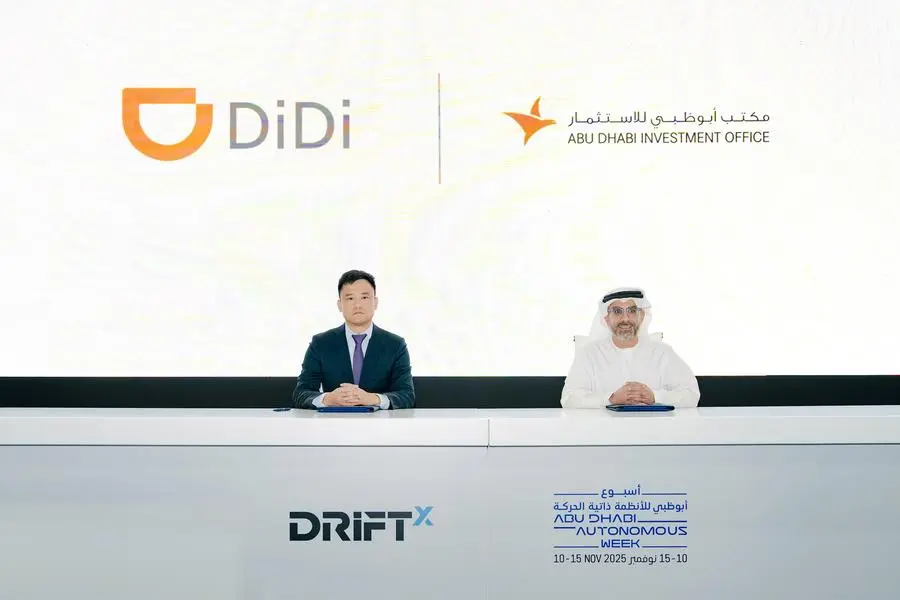
Abu Dhabi, UAE: The Abu Dhabi Investment Office (ADIO) has announced a strategic collaboration with DiDi Autonomous Driving, a subsidiary of global smart mobility technology platform DiDi Global Inc. The partnership supports the advancement of the emirate’s Smart and Autonomous Vehicle Industries (SAVI) cluster, positioning Abu Dhabi as a regional leader in next-generation mobility innovation.
As part of the collaboration, DiDi Autonomous Driving will join Abu Dhabi’s SAVI cluster in the UAE. ADIO and DiDi Autonomous Driving will engage in developing areas such as autonomous driving technology innovation and application, AI talent development, and ecosystem building. Together, they aim to transform Abu Dhabi to a leading smart mobility and sustainable transportation ecosystem, while gradually expanding this cooperation to the broader Middle East region.
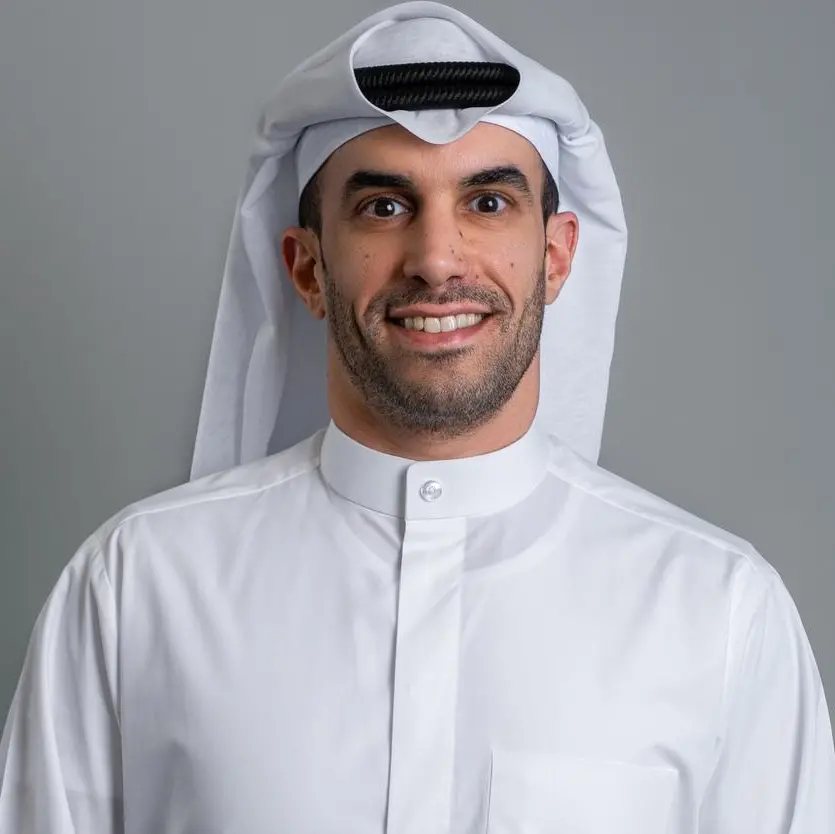
H.E. Badr Al-Olama, Director General of the Abu Dhabi Investment Office, said: “Our collaboration with DiDi Autonomous Driving marks a defining moment in shaping the future of transport. DiDi Autonomous Driving is a world-leading autonomous driving company. and Abu Dhabi has now become its new home. We are proud to welcome DiDi Autonomous Driving to the SAVI cluster as it scales its autonomous driving technologies across the region. Together, we are setting a new standard for intelligent, safe and sustainable mobility.”
Wang Yue, Vice President, DiDi Autonomous Driving, commented: “The Middle East is a key pillar in DiDi Autonomous Driving’s global strategy. Abu Dhabi’s vision for smart city development and sustainable growth aligns closely with our commitment to responsible technological innovation. With the support of ADIO, we look forward to collaborating with local partners to accelerate autonomous driving innovation and real-world deployment, bringing safe, reliable, and intelligent mobility experiences to users across the Middle East.”
The arrival of DiDi Autonomous Driving further strengthens the SAVI cluster, which is expected to contribute AED 44 billion to Abu Dhabi’s GDP and create up to 40,000 jobs by 2045, generating substantial economic value for Abu Dhabi by fostering advanced industries and high-skilled employment.
About the Abu Dhabi Investment Office (ADIO):
The Abu Dhabi Investment Office (ADIO) is the government vehicle responsible for accelerating Abu Dhabi’s growth and enabling the emirate’s economic transformation. Through comprehensive support services, ADIO enables both local and foreign investors to shape industries of the future set to transform liveability, technology, resources, and value-added services. Initiatives focused on regional tourism and retail development, as well as public-private partnerships, ensure that community well-being is at the centre of Abu Dhabi’s economic transformation. With a robust network of investors, strong collaboration with key stakeholders, and a global presence, ADIO is committed to empowering those who invest with Abu Dhabi to make a lasting global impact. For more information, visit: https://www.investinabudhabi.gov.ae.
For more information, please contact:
ADIO@edelman.com
+971 50 542 2125
About the DiDi Autonomous Driving:
DiDi Autonomous Driving is committed to advancing Level 4 autonomous driving technology and its applications by leveraging cutting-edge artificial intelligence. The company has achieved independent and controllable development of its full-stack L4 autonomous driving capabilities, and established Huiju Port — the industry’s first automated Robotaxi operations center.
DiDi’s autonomous driving vehicles have been operating safely for over 1,900 consecutive days. In designated autonomous driving demonstration zones in Beijing and Guangzhou, users can now hail fully driverless vehicles via the DiDi app. In April 2025, DiDi Autonomous Driving partnered with GAC Aion to launch a pre-installed mass production model equipped with autonomous driving capabilities. The vehicle meets automotive-grade certification standards and is designed for global deployment. Mass production is scheduled for the end of 2025, followed by pilot applications in cities.