PHOTO
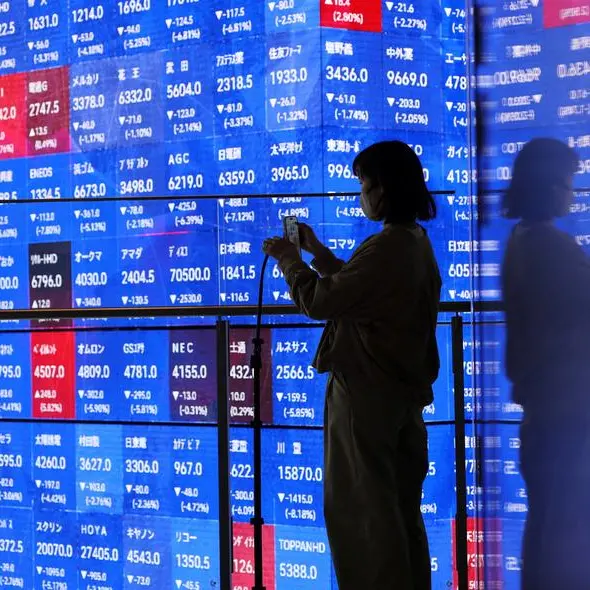
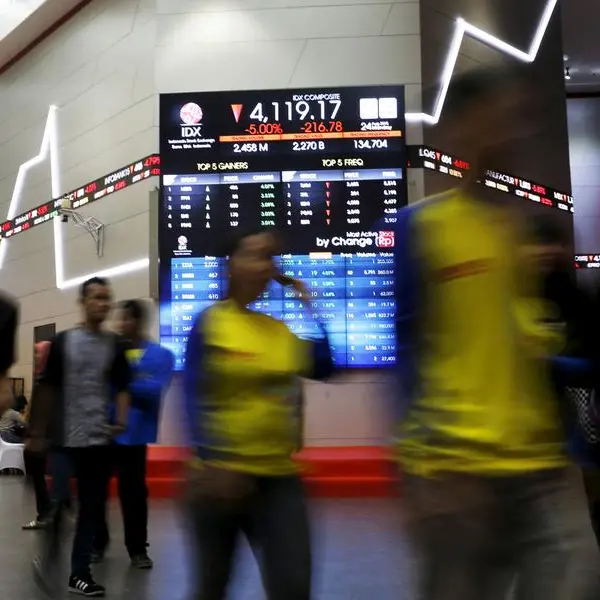
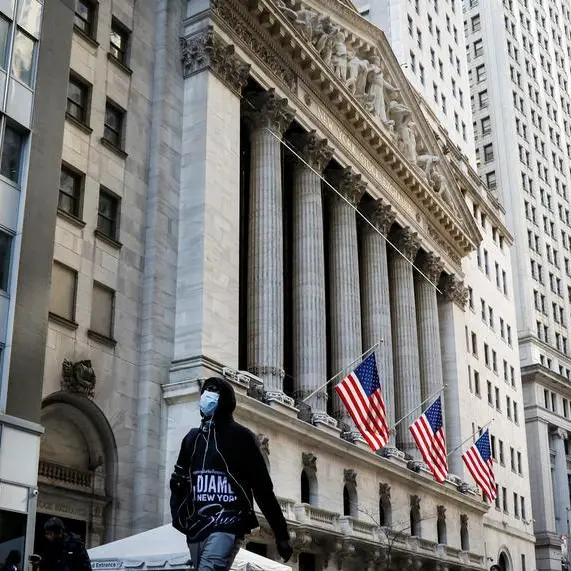
LONDON - Global stocks rallied on Tuesday as investors rushed to buy the latest dip in tech stocks, while oil prices fell after Israel and Iran agreed to halt attacks on one another for now. In Europe, the STOXX 600 rose 0.7%, led by tech heavyweights ASML and Infineon. U.S. stock futures rose 0.5% to 0.8%, as a broad range of shares gained in pre-market trading, including Meta, Eli Lilly and Goldman Sachs, which were up around 1%. Excitement about artificial intelligence was front and centre, with ChatGPT maker OpenAI confidentially filing for a U.S. initial public offering on Monday, days before SpaceX's hotly anticipated market debut this week. "Wall Street bankers and CEOs are beside themselves with excitement about these mega-cap listings. However, on the street there is some caution setting in," XTB research director Kathleen Brooks said.
"Although we fully expect the SpaceX IPO to be successful, the IPO itself is probably the least interesting event; what is far more interesting will be SpaceX’s future earnings reports, which will need to be big to justify a valuation that is 56 times forward earnings."
The next big test for tech will be results from Oracle on Wednesday.
BORROWING COSTS
Investors are also wary about the risks stemming from rising borrowing costs. U.S. 10-year Treasury yields are above 4.5% and, crucially, 30-year yields have spent more days north of 5% this year than in any year since 2007, according to LSEG data.
In the Middle East, tensions are running high and maritime traffic through the Strait of Hormuz is well below normal levels, which is keeping oil prices above $90 a barrel.
"Inflation remains sticky enough that 46 of 68 global central banks are overshooting targets, which helps explain why bond markets are repricing for tighter policy, and why long-duration assets, private credit, and several EM currencies are struggling," analysts at Bank of America said in a note.
"Our Global Breadth Rule shows nearly half of equity markets already overbought, led by Korea, Taiwan and Finland."
The prospect of the Federal Reserve raising rates this year to curb unwelcome pickups in inflation has dented bonds and boosted the dollar, which has gained about 2% in the last four weeks. Friday's May payrolls report helped cement the view that at least one hike this year is a possibility. Data on U.S. consumer prices, due Wednesday, are expected to show surging energy costs kept pushing headline inflation higher in May.
Futures imply around a 60% chance of a Fed rate rise as soon as October, and a quarter-point move is almost fully priced for December. Markets are also fully priced for a quarter-point hike to 2.25% by the European Central Bank when it meets on Thursday, and they see the key rate at 2.5% or 2.75% by the end of the year.
The surprising strength of U.S. employment kept the dollar underpinned at 160.2 yen, above the 160 mark that many believe could trigger more buying by Japanese authorities.
Finance Minister Satsuki Katayama on Tuesday said officials are "always prepared to take decisive measures." The euro was last up 0.3% at $1.157, just above a nine-week low of $1.15, while the pound rose nearly 0.5% to nearly $1.34, having pulled off a three-week trough struck earlier. In commodity markets, Brent crude futures dropped 2.1% to $92.3. The price of oil has retreated from late April's four-year high of $126, but it is still nearly 30% higher than where it was in late February, while futures for the delivery of crude in six months' time are 21% above those levels.