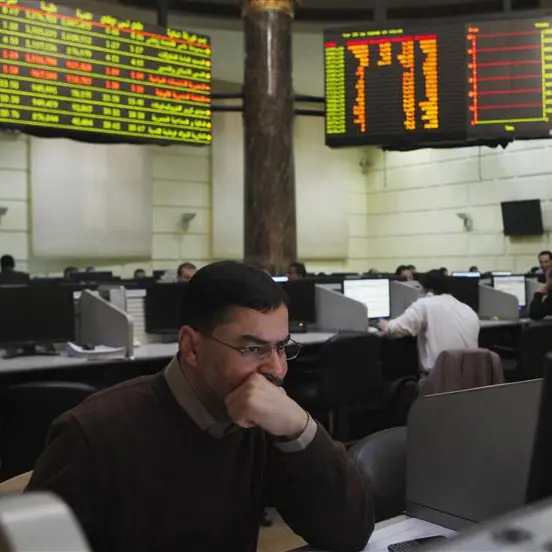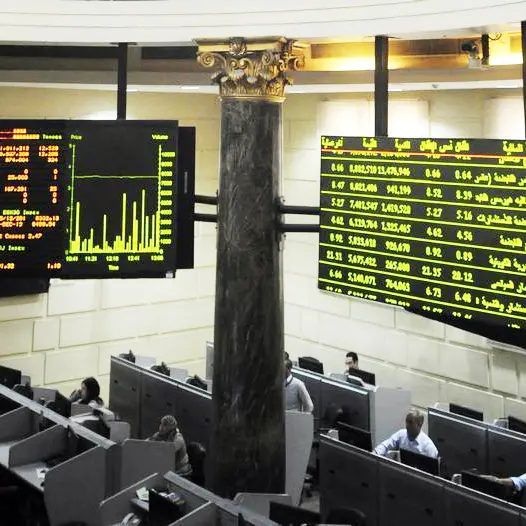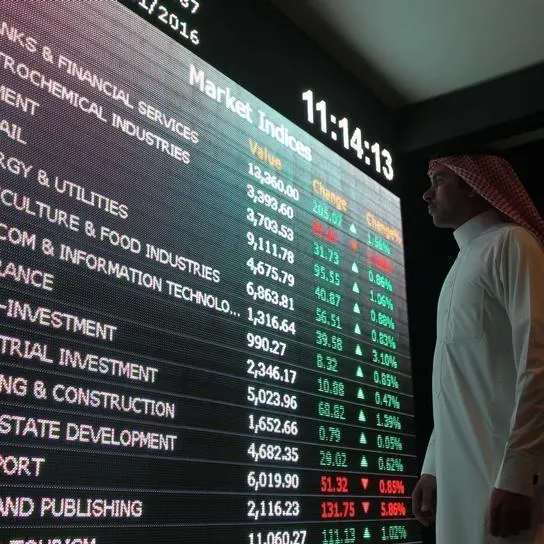
PHOTO
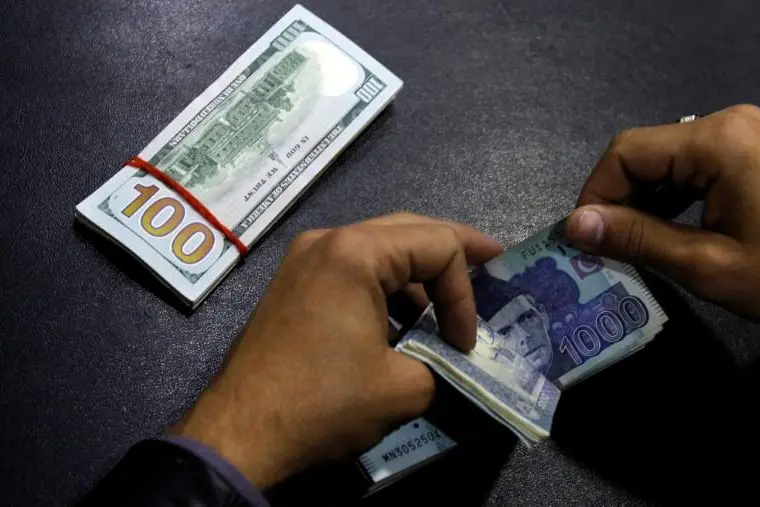
The Pakistani rupee on Tuesday continued its downward trend against the US dollar and other major currencies for the fifth consecutive session and shed another 37 paisa or 0.22 per cent in the inter-bank market.
The currency hit fresh all-time low against the US dollar and closed at 169.97 in the inter-bank market. It opened at 169.60 to a dollar but resumed its slide despite the measures being taken by the central bank and the government to strengthen the currency. In the open market, the dollar was traded at Rs171.50.
The depreciated 5.96 per cent against the greenback this year so far. It lost 10.41 per cent against the US dollar since its recent peak hit on May 14, 2021, according to Capital Stake.
Samiullah Tariq, head of research and development at Pakistan Kuwait Investment Company (Private) Limited, said the rupee should consolidate at the current levels against the US dollar and other currencies.
“I think the rupee has already depreciated around 11 per cent against the greenback since June and there is no room for further decline,” Tariq told Khaleej Times on Tuesday.
Economists are of the view that the widening current account deficit is the chief reason behind depreciation of the local currency. They also warned that a new wave of inflation could hit the country due to weakening currency value.
The rupee depreciated 0.22 per cent against the UAE dirham and closed at 46.27. Against the euro and British pound sterling, it lost 0.14 per cent (198.65) and 0.02 per cent (232.40), respectively.
Analysts said increasing prices of commodities in the international market, substantial increase in freight charges, and upcoming foreign debt payments were also exerting pressure on the Pakistani currency.
In addition to the rising current account deficit, the forex dealers said outflow of dollars to neighbouring Afghanistan put an extra pressure on the Pakistani currency as an estimated $5 million to $6 million on average is going to Afghanistan from Pakistan on daily basis.
“The rupee is likely to remain under pressure due to uncertain situation in Afghanistan, rising oil prices and current account deficit,” Tariq said.
Copyright © 2021 Khaleej Times. All Rights Reserved. Provided by SyndiGate Media Inc. (Syndigate.info).