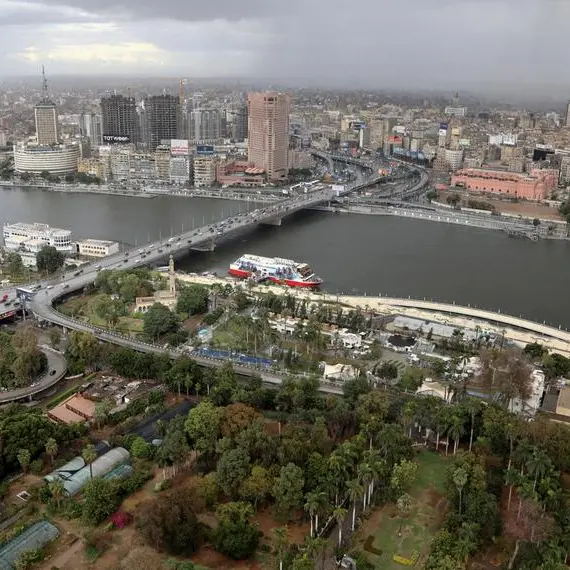
PHOTO
Egypt's non-oil private sector contracted sharply in April as Middle East conflict-driven price pressures hit demand and output, a business survey showed on Tuesday.
The S&P Global Egypt Purchasing Managers' Index (PMI) fell to 46.6 in April from 48.0 in March, dropping further below the 50 mark that divides growth from contraction. "April PMI data indicated that activity slowed and price pressures quickened across the domestic non-oil sector, as the Middle East conflict continued to disrupt global supply chains and drive sharp increases in fuel and material prices for Egyptian companies," said David Owen, senior economist at S&P Global Market Intelligence.
Output fell for a third straight month and at the sharpest pace since January 2023, as lower order receipts, input shortages and higher prices weighed on business activity, S&P Global said.
New orders also declined for a third consecutive month, with the downturn the most pronounced since March 2023. New export orders fell at the fastest pace since the onset of the COVID-19 pandemic in the first half of 2020.
Input prices rose at the fastest rate since January 2023, with around 27% of surveyed firms reporting higher costs. Selling prices increased at the quickest pace since August 2024 as companies passed through fuel, import and materials costs.
Companies cut purchasing activity and reduced headcounts as budgets tightened. Employment fell modestly, though the pace of job losses accelerated from March, while supplier delivery times lengthened for the first time this year.
Year-ahead sentiment improved from March, when expectations had turned negative for the first time on record, but optimism remained subdued as firms looked for market conditions to recover and regional disruption to ease.
(Reporting by Reuters; Editing by Hugh Lawson)