PHOTO
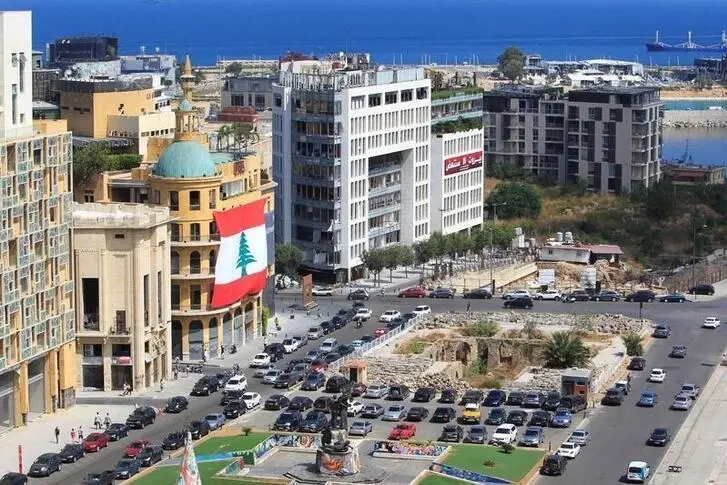
Lebanon’s BLOM purchasing manager’s index (PMI) reached its highest level for more than six years in May but was still below the threshold that represents economic expansion.
The PMI reached 48.6, up from 47.9 in April, but was still below the threshold score 50.0.
Outputs and new orders fell at their slowest rate since January 2016, with declines in outputs and new order both moderating since April, according to the BLOM PMI report for May.
Purchasing activity increased for the first time in more than six years, but inflation intensified amid exchange rate pressure.
Companies said demand conditions were adversely impacted by weak purchasing power among domestic clients. However, the fall in new business was the slowest since January 2016, as was the decrease in export orders.
The report said private sector firms in the country fractionally reduced their staffing numbers midway through the second quarter due to insufficient intakes of new work and companies also made inroads into their backlogs.
Overall, input costs rose at the sharpest pace for ten months amid an accelerated increase in purchase prices, which reflected unfavourable movements in the US dollar exchange rate, according to those surveyed. Output charges were raised to the greatest extent since July last year.
Private sector businesses in Lebanon remained pessimistic towards activity over the next 12 months, with the outlook depending on economic and political reforms, the survey said.
Dr. Fadi Osseiran, General Manager at BLOMINVEST Bank, said the country was still struggling with a deep financial crisis.
“What we can say about this increase is that despite the continuous deterioration of the national currency against the dollar, it may be, however, an interesting indicator that Lebanese citizens have resigned themselves to the fact that most of their products are priced in US dollar, which is “psychologically” facilitating the purchasing operations and increasing its volumes.”
Lebanon could be entering a “tough and unstable” phase in its post-election period due to heightened political uncertainty, Osseiran added: “What complicates matters is that reform plans are in a state of limbo, pending the formation of a new government. We only hope that this “grey period” does not stay long, given the severity of the economic situation.”
(Writing by Imogen Lillywhite; editing by Seban Scaria)