PHOTO
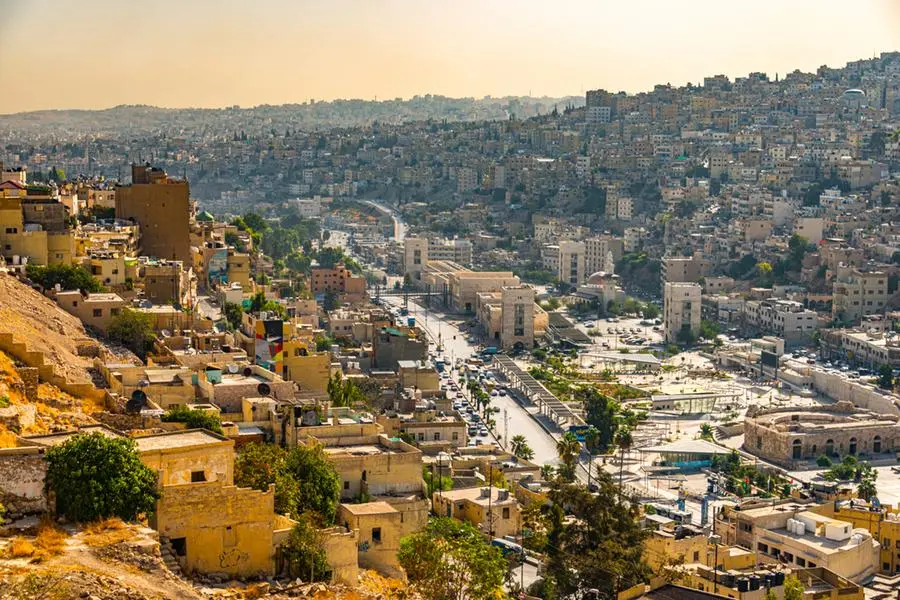
AMMAN — Jordan, Syria and Lebanon unveiled an agreement on Monday to exchange natural gas supply, following a trilateral meeting in Amman that brought together energy ministers from the three countries.
The agreement was announced by Minister of Energy and Mineral Resources Kharabsheh, who said that technical preparations have been completed, contracts signed and studies conducted to rehabilitate gas transmission networks.
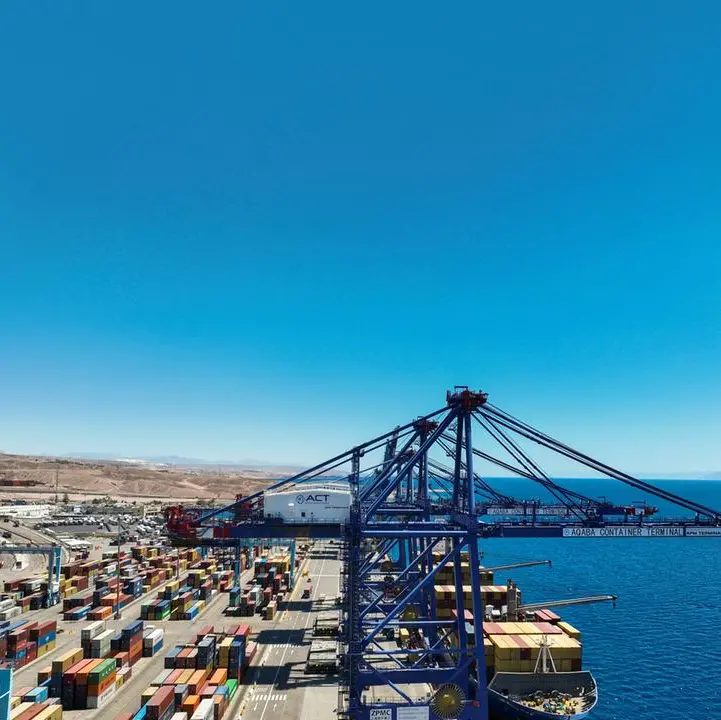
He also said that Jordan’s role under the agreement will be to use its infrastructure to import liquefied natural gas, re-gasify it, and then pump it to Syria through the Arab Gas Pipeline.
Syria’s Energy Minister Mohammad Bashir said that the gas supplied through Jordan has helped stabilise his county’s electricity grid.
He expressed hope to restore regional electricity interconnection with Jordan and Lebanon, adding that four power lines with Lebanon are ready on both sides.
Bashir also said that Syria expects its natural gas production to rise to 15 million cubic metres by the end of 2026, up from around 7 million currently.
Lebanese Minister of Energy and Water Joseph Saddi said that cooperation between the three countries is key to rebuilding Lebanon’s energy sector on more sustainable and efficient foundations.
He described the electricity interconnection project as “highly important” and said Lebanon is working to complete it quickly, with a short timeline in place.
Jordan and Syria signed an agreement in Damascus in January 2026 for the sale and purchase of natural gas to supply Syria through Jordanian territory, supporting electricity generation and easing energy shortages. Syria has already begun receiving gas under the deal, with supplies reaching about 4 million cubic metres per day.
The agreement is part of a contract valued at around $800 million annually, aimed at securing stable energy sources and improving services.
Jordan has previously confirmed its readiness to supply energy to Syria and Lebanon once technical arrangements are complete, particularly repairs to Syrian networks damaged during the war.
Regional electricity interconnection projects date back to 2001 and were halted in 2012. Efforts resumed in 2022 through agreements to supply electricity and gas to Lebanon via Syria, though financing challenges delayed progress.
© Copyright The Jordan Times. All rights reserved. Provided by SyndiGate Media Inc. (Syndigate.info).