PHOTO
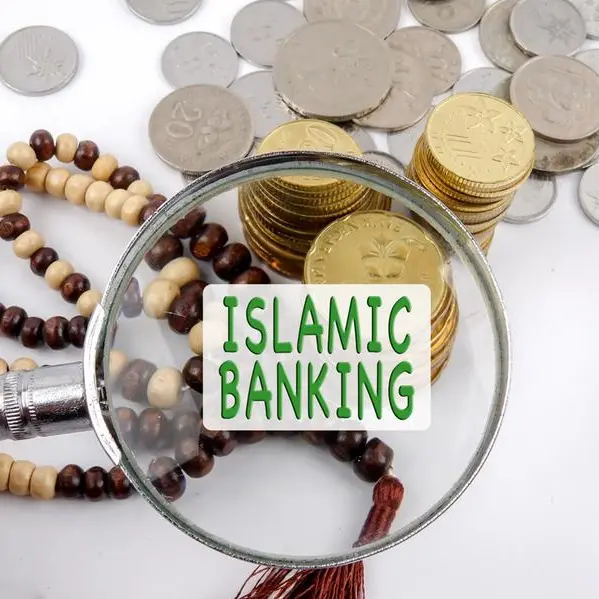
Islamic syndicated financing, or raising a pool of funds from various lenders, is gaining momentum and outperforming traditional schemes in core markets, according to Fitch.
The Sharia-compliant syndications are on track to expand further this year, with the first three months of the year alone recording $23 billion in deals, outstripping dollar sukuk issuances ($20 billion) and rising by 294% over a year ago, the ratings agency said.
Islamic syndications also now make up half of all the syndication issuance in the Gulf Cooperation Council (GCC) region, marking a sharp growth from 35% in 2025.
Geopolitical uncertainty is among the key drivers, Fitch said, noting that issuers are moving away from traditional sukuk and bonds as the Middle East conflict continues.
“Issuers in core markets largely avoid public US dollar sukuk and bonds due to the Iran war,” Fitch said, adding that conventional syndication issuances in core markets slumped by around 27% year on year to $32 billion and dollar sukuk issuances by 9% quarter on quarter to $20 billion.
Syndications are also increasingly becoming a popular financing of choice due to their private nature and lower requirements compared to public issuances.
Another key driver is ample liquidity and capital buffers of GCC lenders, which have remained accommodating despite the Middle East conflict.
“About 65% of Fitch-rated Islamic banks and multilaterals globally are investment-grade, while GCC Islamic banks in particular maintained significant domestic market share, ample liquidity and capital buffers going into the conflict,” said Bashar Al Natoor, Fitch’s Global Head of Islamic Finance.
(Writing by Cleofe Maceda; editing by Seban Scaria) seban.scaria@lseg.com