PHOTO
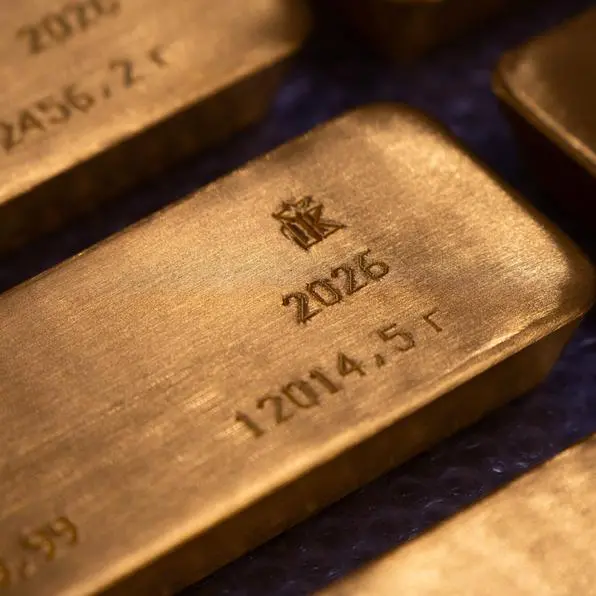
Gold prices fell more than 1% in thin trading on Monday, pressured by rising tensions between the U.S. and Iran that increased inflation worries and reduced expectations of interest rate cuts, while a firmer U.S. dollar also weighed.
Spot gold was down 1.3% at $4,553.53 per ounce, as of 1140 GMT. U.S. gold futures for June delivery fell 1.7% to $4,565.40.
Volumes were low as markets in China, Japan and the UK are closed for holidays.
Oil prices climbed to over $113 a barrel after Iran's Fars news agency reported that a U.S. warship was hit with missiles and turned back from the Strait of Hormuz. However, U.S. Central Command said no U.S. Navy ships had been struck.
"Gold has been rocked by renewed concerns surrounding the Middle East conflict, with the U.S. dollar again showcasing its status as the preferred safe haven," said Han Tan, chief market analyst at Bybit.
The dollar edged higher against peers, making dollar-priced bullion more expensive for other currency-holders.
"Gold is likely to remain sensitive to the ever-fluid geopolitical landscape, which in turn frames the global inflation outlook," Tan added.
OIL PRICES HAVE ALMOST DOUBLED
The Iran war has pushed Brent to almost double its level at the start of the year.
Rising fuel prices feed into inflation as manufacturers pass on expenses to consumers, often forcing central banks to keep interest rates higher for longer to battle higher costs.
Unlike Treasury yields, bullion bears no interest. This has pushed gold down by more than 13% since the start of the war, due to the high opportunity cost of holding it in an elevated interest rate environment.
The Fed left interest rates on hold last Wednesday. Several officials who disagreed with the policy statement said the oil price shock meant the Fed should be clear it can no longer lean towards rate cuts and a rise in borrowing costs is possible in the future.
Spot silver fell 3.1% to $73.04 per ounce, platinum lost 2.5% to $1,938.65, and palladium shed 3.5% to $1,470.75.