PHOTO
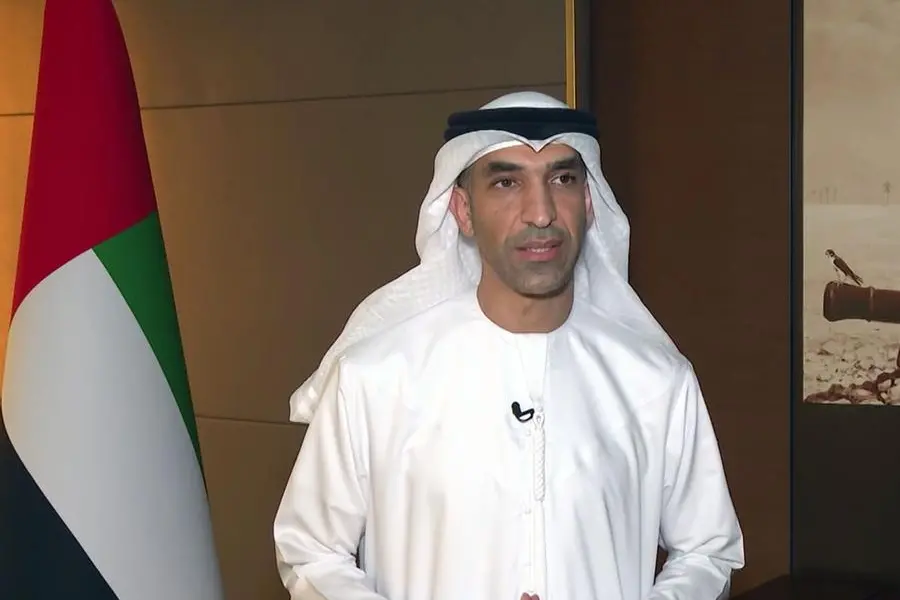
Dr. Thani bin Ahmed Al Zeyoudi, Minister of Foreign Trade, said that the Comprehensive Economic Partnership Agreement (CEPA) with the Philippines reflects the UAE’s future-oriented vision of building strategic trade and investment partnerships with the world’s key growth regions, foremost among them the Association of Southeast Asian Nations, ASEAN, which is the world’s fourth-largest economic bloc by gross domestic product at more than US$4.13 trillion.
In a statement to the Emirates News Agency, WAM, Al Zeyoudi explained that the agreement with the Philippines is the fourth within the UAE’s CEPA programme with ASEAN countries, following similar agreements with Cambodia, Indonesia and Viet Nam, affirming the UAE’s keenness to deepen its economic ties with this vital bloc.
He noted that the significance of the agreement with the Philippines stems from the strength of long-standing bilateral economic relations, as well as the Philippines’ pivotal position as a major logistics and trade hub in Asia, adding that the Philippines is also a member of the Regional Comprehensive Economic Partnership, the world’s largest free trade agreement, which the country officially joined in June 2023.
Al Zeyoudi said that the Philippines is among the fastest-growing economies in ASEAN, recording economic growth of 5.6 percent in 2024 to rank as the second-fastest growing economy in the region. Its nominal gross domestic product reached approximately US$471.8 billion. He also highlighted the country’s ambitious economic expansion plan, which includes 197 major infrastructure projects valued at around US$155 billion, covering key sectors such as digital connectivity, health, energy, agriculture and water security.
He affirmed that the UAE and the Philippines share a closely aligned economic vision focused on building resilient, open and diversified economies, and on a commitment to free trade principles and long-term sustainable growth. He noted that the agreement comes amid strong momentum in bilateral economic relations, with non-oil trade between the two countries reaching around US$940 million in 2024, and exceeding US$853.7 million during the first nine months of 2025, achieving annual growth of 22.4 percent.
Al Zeyoudi explained that the UAE is the largest market for Philippine exports in the Arab and African regions, and the Philippines’ seventeenth-largest trading partner globally. The UAE is also home to the second-largest Filipino community in the Gulf, with more than 700,000 Filipinos living and working in the country.
On investment, he pointed to several high-profile strategic projects, including DP World investments in the Port of South Manila, Batangas Port and the Tanza Container Terminal, in addition to investment plans of up to $440 million to develop logistics and industrial projects in the Philippines.
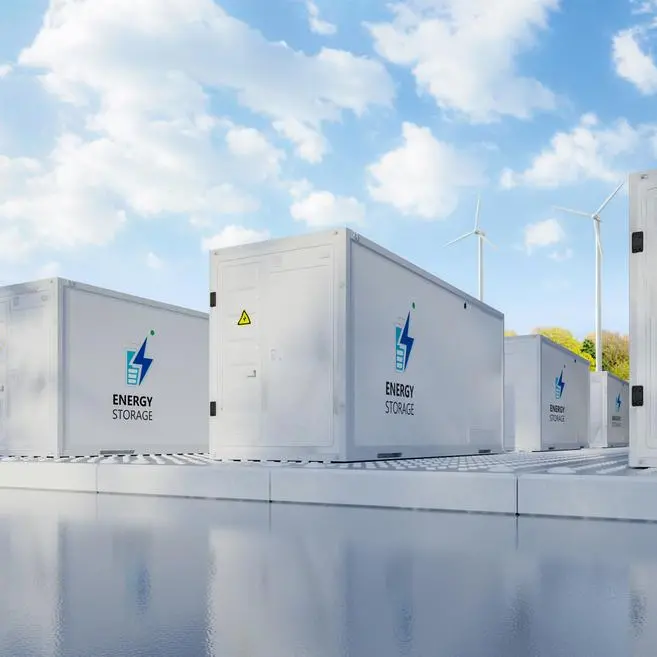
He also noted that Abu Dhabi Future Energy Company, Masdar, signed an agreement in 2024 worth US$15 billion with the Philippine government to develop solar, wind and energy storage projects, targeting the provision of one gigawatt of clean energy by 2030.
Al Zeyoudi said the agreement is expected to add US$2.4 billion to the UAE’s gross domestic product by 2032 and increase UAE exports to the Philippines to US$7.62 billion over the same period. This will be achieved through the elimination or reduction of customs duties, removal of unnecessary trade barriers, expanded market access in services, development of a regulatory framework for digital trade, and the establishment of an effective dispute settlement mechanism.
He affirmed that the agreement delivers mutual benefits, providing broader access for UAE products to the Philippine market by eliminating or reducing tariffs on more than 83 percent of tariff lines. These include products such as polyethylene, petrochemicals, fertilisers, mechanical equipment, ceramics, glass, iron and steel, and copper. In return, it will accelerate the flow of Philippine exports to the UAE market, particularly electronics, agricultural products, aircraft parts, textiles, jewellery, aluminium, essential oils and cosmetics.
Al Zeyoudi stressed that the Comprehensive Economic Partnership Agreement with the Philippines strengthens the UAE’s position as a central hub for global supply chains linking the Arab region, Europe, Asia and Africa. It also opens broad horizons for cooperation between the private sectors of both countries, especially in services, which represent the largest driver of the Philippine economy, contributing more than 62 percent of its gross domestic product.