PHOTO
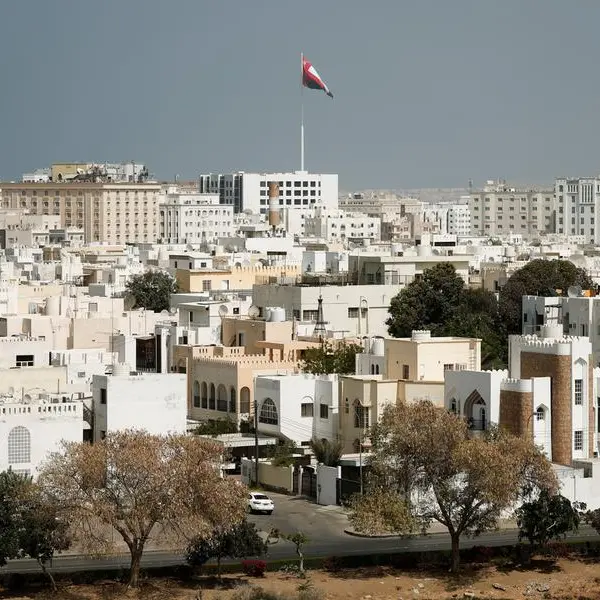
Muscat – Oman’s non-oil economy continued to grow steadily in 2025, reflecting ongoing progress in the sultanate’s diversification efforts and resilience across key sectors such as services, manufacturing and agriculture.
The total value of non-oil activities rose by 3.1% last year to reach RO28.7bn, compared with RO27.8bn in 2024, according to data released by the National Centre for Statistics and Information (NCSI). Growth in non-oil GDP was broad-based, with most sectors recording positive performance.
The sectoral breakdown of Oman’s GDP highlights the dominant role of non-oil activities in the economy. Non-oil activities accounted for about 72.1% of total GDP in 2025, underlining steady progress in economic diversification.
Within the non-oil economy, the services sector remained the largest contributor, accounting for about 47.8% of total GDP, reflecting its key role in driving growth and employment. The industrial sector contributed around 21.5% to the total GDP, supported by manufacturing, construction and utilities, while agriculture and fisheries accounted for roughly 2.8% of total output.
Services sector drives growth
The services sector remained the main driver of non-oil growth, expanding by 3.1% year-on-year to RO19.03bn in 2025, supported by strong performance across several segments. Financial and insurance activities grew by 3.7%, reflecting improved business activity and credit demand. The transport and storage sector rose by 3.6% on the back of increased trade and logistics activity, while telecommunications and information services recorded strong growth of 5.3%, highlighting ongoing digitalization in the sultanate.
Tourism-related activity showed particularly strong momentum, with accommodation and food services surging by 12.3% compared with the previous year. Social services such as health and education also posted steady growth of 5.0% and 3.0%, respectively.
Moreover, wholesale and retail trade, one of the largest segments within services, increased by 1.0% to RO3.2bn.
Industrial growth steady
The industrial sector also made a solid contribution, with total industrial output rising by 2.4% to RO8.54bn in 2025. Manufacturing, a key pillar of Oman’s diversification strategy, grew by 2.5%, supported by expansion across several sub-sectors. Output of refined petroleum products increased sharply by 13.5%, reflecting higher refining activity, while other manufacturing industries expanded by 4.8%. Mining and quarrying recorded modest growth of 1.5%.
Agriculture and fisheries emerged as one of the strongest-performing segments of the non-oil economy. The sector grew by 10.2% in 2025 to reach RO1.13bn, driven by robust growth in both agriculture and fishing. Agricultural output increased by 7.6%, while fishing activity surged by 13.3%.
Elsewhere, the construction sector recorded moderate growth of 2.1% to RO3.58bn, supported by ongoing infrastructure and real estate projects. The utilities segment, which includes electricity, water supply and waste management services, also recorded a robust growth of 3.0%.
The International Monetary Fund (IMF), in its latest outlook, said Oman’s economic growth continues to be supported by expansion in the non-oil economy, particularly in services, construction, agriculture, tourism and logistics.
‘Oman’s reform agenda is advancing, strengthening resilience and supporting a favourable economic outlook. Over the medium term, growth is expected to strengthen further as oil production gradually returns to capacity and the non-hydrocarbon economy remains robust, supported by ongoing reforms under Vision 2040 and the rollout of large-scale investment projects,’ the IMF said.
© Apex Press and Publishing Provided by SyndiGate Media Inc. (Syndigate.info).