PHOTO
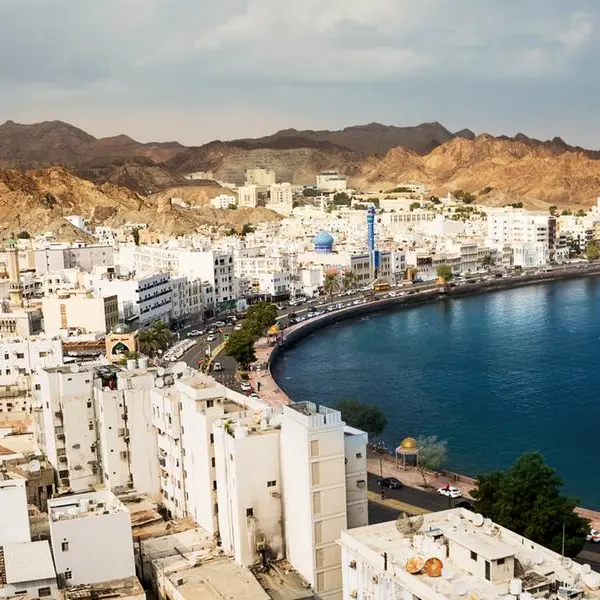
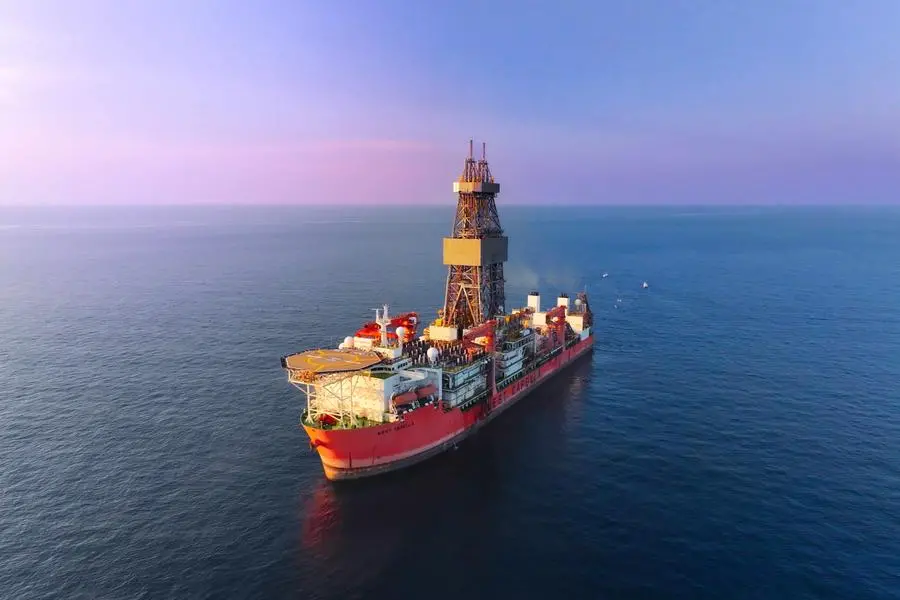
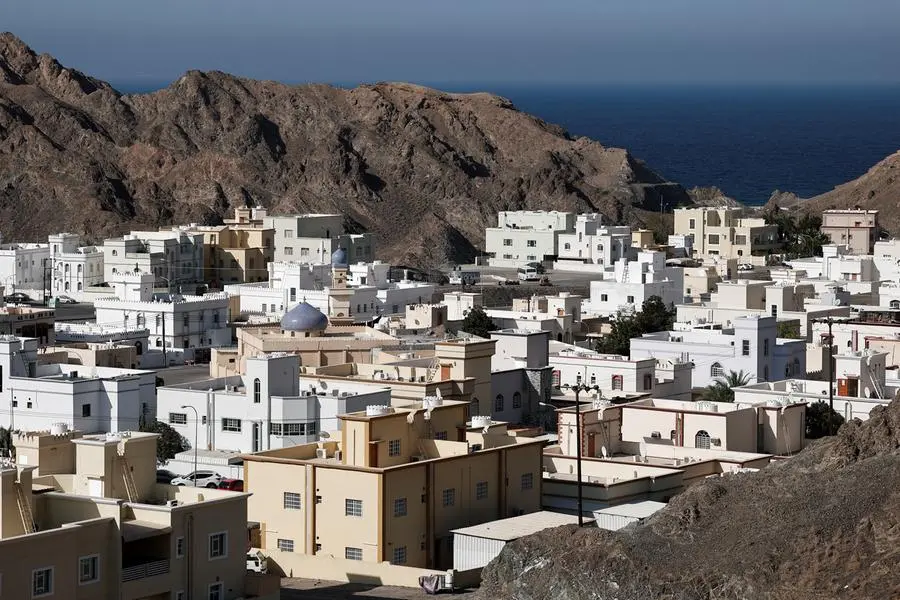
MUSCAT: The global energy shock triggered by the partial closure of the Strait of Hormuz in the wake of the US–Israel war on Iran requires long-term solutions that go beyond immediate measures aimed at easing the crisis for governments and consumers, says a prominent Omani researcher and policy expert.
Dr Aisha al Sarihi, who specializes in energy transition, climate policy, and sustainable development in the Gulf region, warned that short-term measures — from tapping strategic reserves to imposing demand curbs — may stabilise markets, but do not address the underlying structural constraints on energy supply.
In an opinion piece published by Springer Nature, the world’s leading research publisher, the Muscat-based researcher emphasized the need to diversify trade routes beyond critical chokepoints, strengthen global coordination across supply chains, and accelerate investment in renewable energy.
“In a matter of weeks, oil prices have surged across Asia, Europe, and the United States, with effects visible at fuel pumps worldwide,” Dr Al Sarihi noted in her commentary, titled ‘How the war in Iran is reshaping the energy landscape’.
“Insurance companies have suspended maritime coverage or raised risk premiums for tankers crossing the region. Key oil and gas companies have declared force majeure, releasing themselves from obligations to supply contractual volumes of oil, gas, and refined products to their buyers,” she added.
Thus, while emergency measures such as strategic reserve releases and fuel-saving policies can temporarily ease market pressures, they are insufficient to address persistent supply disruptions and may worsen long-term energy vulnerabilities, the researcher highlighted.
In this context, Dr Al Sarihi stresses the need for Gulf oil and gas producers to diversify trade routes to reduce reliance on the Strait of Hormuz, citing Oman’s own initiatives in this regard, including the development of the Port of Duqm and the Ras Markaz oil-storage facility and pipeline network.
“Additional pipeline, storage, and port infrastructure is needed,” she said, acknowledging that the associated cost — potentially in the hundreds of billions of dollars — should not fall solely on producing states, but be shared with global consumers to ensure long-term trade resilience.
“Gulf countries will need to work together to align resilience investments with potential geopolitical threats. They can draw lessons from geostrategic co-investments in energy infrastructure by European Union nations. For instance, the Nord Stream pipeline network between Russia and Germany was funded by a consortium of European energy companies alongside the Russian state-owned firm Gazprom,” Dr Al Sarihi explained.
Equally important is the strengthening of supply chains. “Close coordination between shipping companies, governments, oil and gas producers, insurers, and logistics companies is needed to manage maritime risks and maintain fuel flows during periods of geopolitical instability,” she said.
The conflict, Dr Al Sarihi further noted, is also an opportunity to expand renewable energy capacity, given the Middle East’s potential to emerge as a global hub for clean energy thanks to abundant solar and wind resources and ambitious hydrogen strategies. Notable examples include Saudi Arabia, the United Arab Emirates, and Oman, which are making substantial investments in large-scale renewable energy projects and green hydrogen production to diversify energy exports beyond traditional hydrocarbons.
“The current war shows that the transition to cleaner energy systems is not just an environmental imperative; it is key to long-term economic and geopolitical resilience,” she concluded.
2026 © All right reserved for Oman Establishment for Press, Publication and Advertising (OEPPA) Provided by SyndiGate Media Inc. (Syndigate.info).